The Hidden Cost of Fashion
From 19 to 23 February, fashion lovers are coming together to ‘support British fashion’s creativity, identity, and innovation.’ And at a time when increasing interest in sustainability is shaping all areas of consumption, brands are highlighting their sustainable practices more than ever.
As citizens, we want to feel good about the things we buy, and we don’t want to associate being fashionable with poor ethical standards. But as London Fashion Week captures global attention, we are reminded that behind the spectacle, a harder truth remains. An estimated 50 million people are living in modern slavery today, including those exploited across global fashion supply chains. In fact, in 2021, 10% of cases reported to the UK Modern Slavery & Exploitation Helpline related to businesses in the garment sector.
Not just a fast fashion problem
Despite some companies’ commitments to “ethical” fashion and social impact reporting, exploitation and environmental harm persist at every stage of the clothing production cycle.
Public conversations often frame exploitation and environmental harm as a fast fashion problem. Luxury brands have also been implicated in supply chain scandals, but their higher price points can create the perception that workers do not experience low wages, unsafe conditions and labour abuses more commonly associated with cheaper clothing.
[BOXOUT: Garment production is one of the world’s biggest and most labour-intensive manufacturing industries, employing an estimated 25 to 60 million people. Since the 1980s, many leading fashion retailers have been sourcing their clothes from countries with low labour costs and poor environmental governance.]
While fast fashion’s relentless production model certainly intensifies exploitation by forcing people to work in extreme conditions, exploitative and extractive business practices are common in many companies.
Cotton
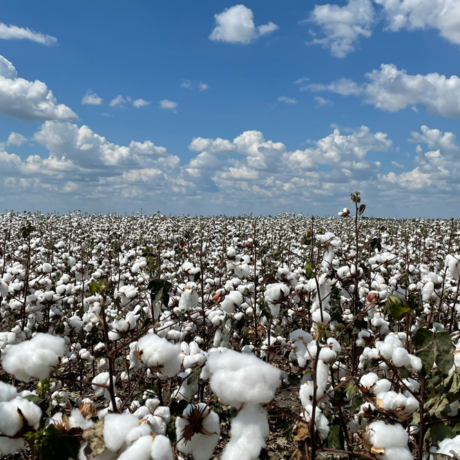
Some severe cases of human and labour rights abuses happen long before clothes reach the factory floor. Cotton is an essential material for the fashion industry, but parts of the global cotton trade are linked with state-imposed forced labour.
Research by Sheffield Hallam University found that more than 100 major global brands could be at risk of using cotton produced under conditions of forced labour in the Uyghur Region of China, where state-imposed labour programmes have been widely documented.
In Turkmenistan, the Government continues to mobilise public sector workers into annual cotton harvests under threat of penalty. Workers are pressured to pick cotton or pay for replacement labour. Refusal can mean fines or job loss.The cotton harvested from these regions can then be processed and woven into garments sold around the world, creating a high risk that the clothes we wear every day have been produced with forced labour.
Despite corporate pledges to cut ties with forced labour, cotton linked to these systems still enter international markets. With long and complicated supply chains, responsibility becomes unclear, oversight weakens, and abusive practices can continue without consequences. For workers stuck in exploitation, these hidden layers make it challenging for anyone to see what is happening, and even harder to stop it.
A global issue
Human rights abuses in the fashion industry are not always outsourced to faraway places. They can happen anywhere, even in the UK.
A 2020 investigation into garment factories in Leicester that supply major retailers exposed some serious issues, including reports that workers were paid as little as £3 an hour and were made to work in unsafe conditions. Similar problems have surfaced elsewhere in Europe. In Italy, labour inspectors have uncovered exploitative conditions in subcontracted workshops producing for well-known fashion brands, including excessive hours, unsafe environments and illegal employment practices.
These cases highlight a crucial reality: companies keeping their operations in countries with stricter regulations does not mean that abuse is not taking place. Clothing labelled “Made in the UK” does not automatically make it free from exploitation.
The planet
The same systems that enable labour exploitation are also driving environmental destruction.
The fashion industry is characterised by overproduction and fleeting trends. It is estimated that the clothing industry has an annual carbon footprint of 3.3 billion tonnes of CO2e – close to the combined carbon footprint of all 28 EU member states.
Textile waste fills landfills, synthetic fibres shed microplastics into waterways, and cotton farming in regions already under ecological stress contributes to water depletion and soil damage. And those most impacted by the environmental impacts are workers and the communities that live near factories, facing exposure to toxic chemicals used in production.
Exploitation of people and the environment must be addressed together because they are driven by the same thing: putting profits over people and the planet.
We need stronger laws
For years, brands have relied on voluntary corporate social responsibility initiatives, publishing sustainability reports and ethical pledges. But research consistently shows that voluntary action alone is insufficient to eliminate forced labour from supply chains.
The UK’s current legal framework under the Modern Slavery Act 2015 requires large companies to publish annual statements on measures taken to address modern slavery, but it does not mandate comprehensive due diligence or penalties for failure.
Stronger laws are essential.
The European Union has adopted mandatory human rights due diligence rules requiring companies to identify and address abuses in their supply chains, while the United States has introduced import controls to block goods made with forced labour. The UK is lagging behind. Without robust legislation that includes enforcement and penalties, exploitation remains a low-risk, high-reward strategy for companies looking to cut costs.
Since 2017, Anti-Slavery International has been calling for a mandatory human rights and environmental due diligence law in the UK that would help level the playing field. Businesses should not gain a competitive advantage through exploitation. Clear legal standards would protect workers, support responsible companies, and give citizens greater confidence that their purchases are not linked to forced labour.
Putting human rights at the core of fashion
London Fashion Week is an important mobilising moment. Respect for people and the planet is not a seasonal trend; it’s timeless. It should be a permanent foundation of the industry.
A recent parliamentary debate brought renewed attention to forced labour and environmental harms in the fashion and textiles sector. On 12 February, Minister Chris Bryant referenced the government’s ongoing Responsible Business Conduct review, which is nearing completion, and called for it to result in policy recommendations that protect against exploitation in fashion supply chains.
As policymakers consider how production is sourced, regulated and supported, there is a clear opportunity to place human rights and environmental protections at the heart of those decisions.
There are signs of progress within the industry itself. Some brands and manufacturers are investing in more transparent supply chains, safer production practices, and circular models that aim to reduce waste and improve oversight. These efforts show that change is possible.
Fashion has the cultural power to shape norms, inspire trends and influence consumer behaviour. But this power must be matched with accountability. London Fashion Week creates an opportunity to ask what kind of industry we want to celebrate.
A different future is possible: one grounded in transparency, accountability, and respect for both human rights and the environment. Brands, citizens and policymakers all have a role to play. But lasting change depends on strong laws that require brands to act responsibly and transparently.
Until that happens, workers and the environment will continue to absorb the hidden costs of the clothes we wear.
If you want to support a fashion industry free from modern slavery, follow and share our post on social media to keep the conversation going and demand stronger protections for workers. Anti-Slavery International works with businesses to identify and address forced labour risks in their supply chains. Real change begins when human rights are treated as non-negotiable in every industry.
Written by Thea Littlewood, Communications Officer at Anti-Slavery International
About Anti-Slavery International: Anti-Slavery International is the world’s oldest human rights organisation. It has existed since 1839 to ensure that all people everywhere are free from slavery, challenging slavery in all its forms.