The Environmental Audit Committee is launching an inquiry into the sustainability of the fashion industry.
The Committee will investigate the social and environmental impact of disposable ‘fast fashion’ and the wider clothing industry. The inquiry will examine the carbon, resource use and water footprint of clothing throughout its lifecycle. It will look at how clothes can be recycled, and waste and pollution reduced.
Mary Creagh MP, Chair of the Environmental Audit Committee, said:
“Fashion shouldn’t cost the earth. But the way we design, make and discard clothes has a huge environmental impact. Producing clothes requires toxic chemicals and produces climate-changing emissions. Every time we put on a wash, thousands of plastic fibres wash down the drain and into the oceans. We don’t know where or how to recycle end of life clothing.
“Our inquiry will look at how the fashion industry can remodel itself to be both thriving and sustainable.”
The growth of the fashion industry
According to a 2015 report from the British Fashion Council, the UK fashion industry contributed £28.1 billion to national GDP, compared with £21 billion in 2009.[1] The globalised market for fashion manufacturing has facilitated a “fast fashion” phenomenon; cheap clothing, with quick turnover that encourages repurchasing.
Environmental impact of clothing production
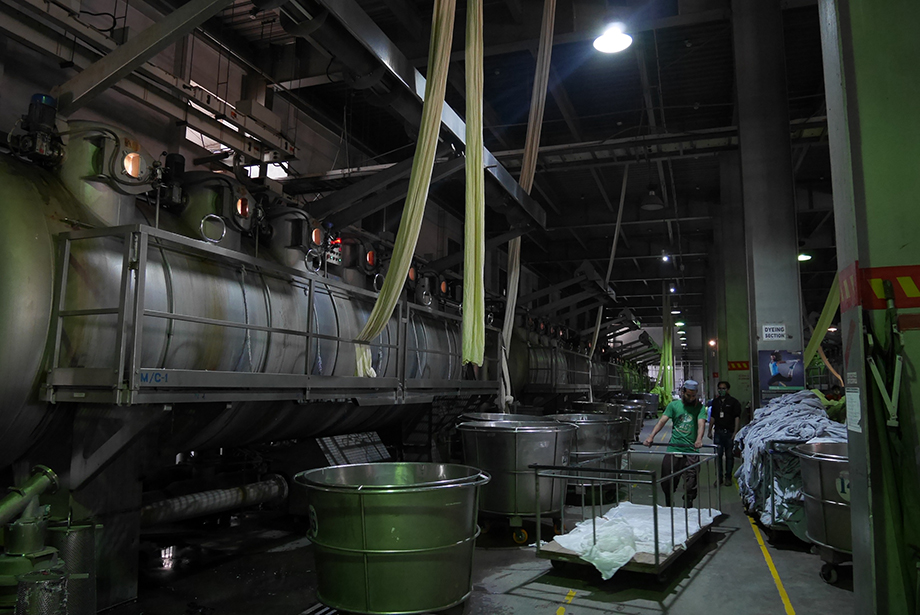
Clothing production consumes resources and contributes to climate change. The raw materials used to manufacture clothes require land and water, or extraction of fossil fuels. Clothing production involves processes which require water and energy and use chemical dyes, finishes and coatings – some of which are toxic. Carbon dioxide is emitted throughout the clothing supply chain. In 2017 a report by the Ellen MacArthur Foundation on ‘redesigning fashion’s future’ found that if the global fashion industry continues on its current growth path, it could use more than a quarter of the world’s annual carbon budget by 2050.
Environmental impact of purchase, use and disposal
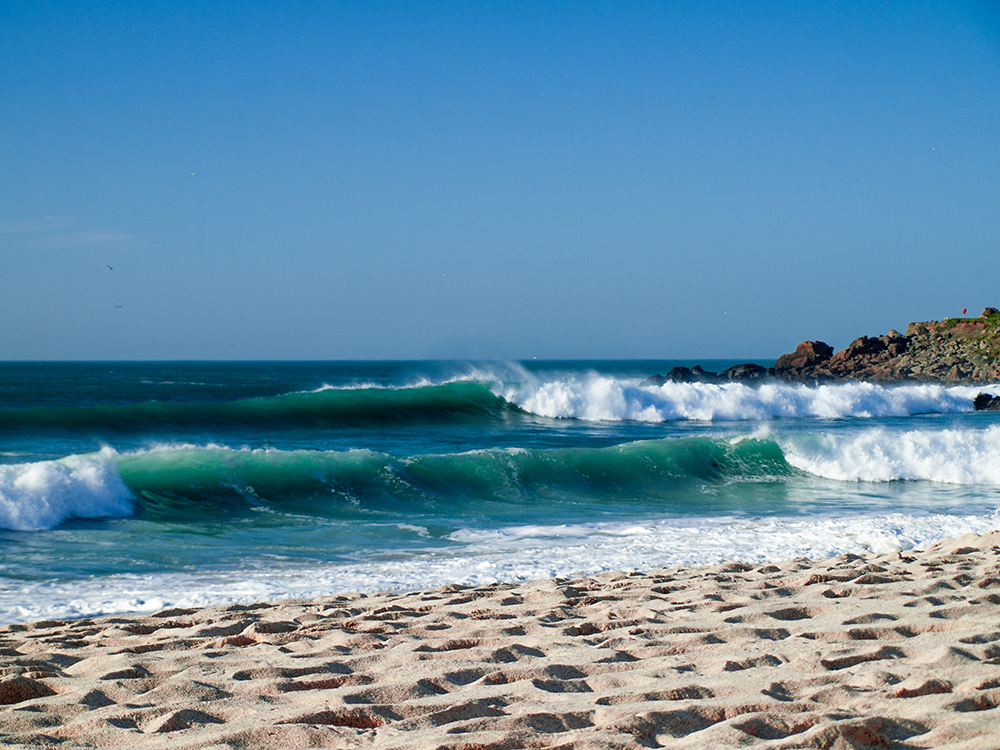
Synthetic fibres used in some clothing can result in ocean pollution. Research has found that plastic microfibres in clothing are released when they are washed, and enter rivers, the ocean and the food chain.
Sustainability issues also arise when clothing is no longer wanted. A report by the Ellen MacArthur Foundation found that the growth of clothes production is linked to a decline in the number of times a garment is worn. Clothes disposed of in household recycling and sent to landfill instead of charity shops have an environmental impact, such as contributing to methane emissions. Charities have complained that second hand clothes can be exported and dumped on overseas markets. The UK Government has a commitment to ‘Sustainable Production and Consumption’ under UN Sustainable Development Goal 12.
Manufacturing in the UK
In recent years there has been a renewed interest in clothing that has been made in Britain. However there are concerns that the need for quick turn-around in the supply chain to facilitate the demand for “fast fashion” has led to poor working conditions in UK garment factories.
The Committee will also examine the sustainability of garment production in relation to the UK’s social and environmental commitments under the UN Sustainable Development Goals. The UK Government has a commitment to ensuring ‘Decent work and economic growth’ by protecting labour rights and promoting safe and secure working environments for all workers under UN Sustainable Development Goal 8.
Terms of Reference
The Committee invites submissions on some or all of the following points by 5 pm on Monday, 3rd September 2018.
Environmental impact of the fashion industry
- Have UK clothing purchasing habits changed in recent years?
- What is the environmental impact of the fashion supply chain? How has this changed over time?
- What incentives have led to the rise of “fast fashion” in the UK and what incentives could be put in place to make fashion more sustainable?
- Is “fast fashion” unsustainable?
- What industry initiatives exist to minimise the environmental impact of the fashion industry?
- How could the carbon emissions and water demand from the fashion industry be reduced?
Waste from fashion
- What typically happens to unwanted and unwearable clothing in the UK? How can this clothing be managed in a more environmentally friendly way?
- How much unwanted clothing is landfilled or incinerated in the UK each year?
- Does labelling inform consumers about how to donate or recycle clothing to minimise environmental impact, including what to do with damaged clothing?
- What actions have been taken by the fashion industry, the Government and local authorities to increase reuse and recycling of clothing?
- How could consumers be encouraged to buy fewer clothes, reuse clothes and think about how best to dispose of clothes when they are no longer wanted?
Sustainable Garment Manufacturing in the UK
- How has the domestic clothing manufacturing industry changed over time? How is it set to develop in the future?
- How are Government and trade envoys ensuring they meet their commitments under SDG 8 to “protect workers’ rights” and “ensure safe working environments” within the garment manufacturing industry? What more could they do? Are there any industry standards or certifications in place to guarantee sustainable manufacturing of clothing to consumers?
Deadline for submissions
Written evidence should be submitted through the inquiry page by 5 pm on Monday, 3rd September 2018. The word limit is 3,000 words. Later submissions will be accepted, but may be too late to inform the first oral evidence hearing. Please send written submissions using the form on the inquiry page.
Diversity
The Committee values diversity and seek to ensure this where possible. We encourage members of underrepresented groups to submit written evidence. We aim to have diverse panels of Select Committee witnesses and ask organisations to bear this in mind if asked to appear.
Further information
- Guidance: written submissions (including information on data protection)
- About Parliament: Select committees
- Visiting Parliament: Watch committees
Membership of the Committee:
http://www.parliament.uk/business/
committees/committees-a-z/commons-select/environmental-audit-committee/membership/
Media Information: Sean Kinsey kinseys@parliament.uk/ 07917 488791
Specific Committee Information: eacom@parliament.uk/ 020 7219 6150
Committee news and reports, Bills, Library research material and much more can be found at www.parliament.uk. All proceedings can be viewed live and on-demand at www.parliamentlive.tv
Photo credits:
Houses of Parliament and Garment Factory in Bangladesh by Carry Somers
Ocean by Ross Miller
by Carry Somers and Orsola de Castro
On 8 May 2013, the two of us wrote an email which began ‘like many, we have seen the terrible tragedy in Bangladesh as a call to arms and feel that we should build on the momentum which has been generated. An annual Fashion Revolution Day would be a way to ensure that these deaths are not in vain, show the world that change is possible, and celebrate those involved in creating a more sustainable future for fashion’.
The responses to our request for involvement fell into two quite clear camps. Many responded with no hesitation; one email we received back just said yes, yes, yes! Some expressed a degree of hesitancy. Do we really want to call for a revolution in the fashion industry? How about calling it Fashion Evolution? Although the two of us are very different in very many ways, we are remarkably similar in others: we are both entrepreneurs, both pioneers in our respective fashion spheres, both risk-takers and both have a fundamental belief in the power of people to effect change given the right motivation. We had no doubt that a revolution was needed – a radical and pervasive transformation of the way in which the fashion industry operates.
We were right to push for revolutionary change. People were ready to listen.

Looking back at the minutes from our very first meeting, we had real clarity around how we would communicate our message in order to accelerate change: we need one big aim; make it as visible as possible; keep it strong; make it positive without ignoring the negatives; make it inclusive; talk about how the relationship with the people who make our clothes has broken down and connections need to be reestablished. Finally, we needed to give people a question they can all ask: who made my clothes?
This clarity of vision, coupled with the right channels of communication, has made Fashion Revolution the biggest fashion activism movement in the world. We have teams in over 100 countries and there are well over 1000 events happening all around the world this week.
Fashion Revolution is first and foremost about people; it is about making visible the connections between everyone in the fashion supply chain as a first step towards change. We’ve made citizens realise that their own wardrobe is in the fashion supply chain, about three-quarters of the way between the cotton seed and recycling the fibres. Everything we do has an impact on that supply chain. We reshape the fashion industry, the lives of its workers and its resources, every time we buy or dispose of an item of clothing.

Fashion Revolution was set up for the love of people, in memory of those who died at Rana Plaza, those who have died in countless other fires and building collapses in garment factories around the world, and those who are still losing their lives every week so we can wear beautiful clothes. That love of people continues to shine through. We are not about celebrities. We are not about power and success. We are about humanity. Fashion is about instant gratification. We are about the long term gratification that comes from knowing entire workshops, factories and communities are slowly becoming visible. We see empowerment not as a celebrity wearing a feminist slogan T-shirt on instagram, but as the workers who made that T-shirt being given a voice through the garment worker diaries project. When we inaugurated a new hashtag #Imadeyourclothes in 2016, someone commented on social media that it represented ‘the most joy I’ve ever had from a hashtag!’
 We’ve given everyone tools to take part – there are online packs for brands and retailers, producers, makers and factories and educators. For fashion-lovers, as well as a Get Involved pack, there is our How to be a Fashion Revolutionary booklet, our fanzines Money Fashion Power and Loved Clothes Last, our guides to the #Haulternative and Love Story challenges. There are endless ways in which everyone can take part from changing your attitude, to changing your wardrobe, to changing your world. We’ve encouraged millions of people to Be Curious, Find Out, and Do Something. We don’t have all the answers. We want to encourage everyone to ask questions of their favourite brands, to do their own research, to use their power as consumers to hold the industry to account for its actions and impacts.
We called for a revolution at the right time as the infrastructure of the industry, and the industry itself, have shifted in the past five years. We were right to call for a revolution because both ideas and practices had to be refashioned, a new paradigm was needed, and we can see this starting to happen. A revolution means change and change represents freedom. There is excitement around this change; it no longer feels dull nor scary, but represents a creative space in which to operate. Everyone within this space at this time can be considered a pioneer, and pioneers don’t have references – they make their own.
Five years on, a Fashion Revolution is taking place. Not fast enough, not enough engagement throughout the industry, but make no mistake it is happening. It’s bubbling up through the cracks and crevices, it can no longer be submerged. In another five years it will be a raging torrent, reshaping everything in its path. If you aren’t part of this movement, you will be swept along by it (or perhaps even swept away by it) as the structure of the fashion industry is revealed and revolutionised.
We are Fashion Revolution. Join us.
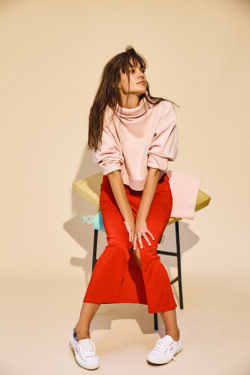
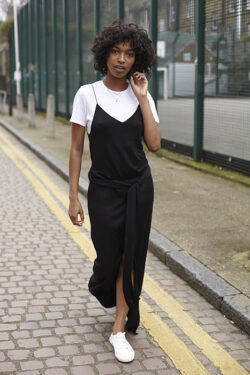
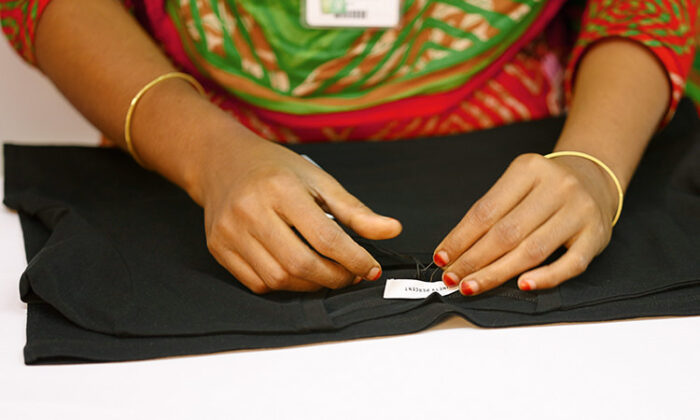
In her own words Nisha is honest, hard working and devoted. Nisha is a 28 year old mother of one. She is also a sewing machine operator at the Echotex manufacturing facility in Dhaka, Bangladesh. 6 months in into her role, the biggest challenge she’s faced is picking up the necessary skills to meet the quality standards required to produce the first NINETY PERCENT collection of premium basics. Every working morning, she says goodbye to her 5 year old son and leaves her home in Shafipur, Gazipur district to catch the rikshaw to Dhaka and make your clothes.
Greatest Achievement:
Being a kind mother to my five year old son is my greatest achievement. It’s hard to find the words to express my love for my boy but I feel heaven’s peace when he runs into my arms for a hug. It makes me so proud to see my tiny boy keep himself neat and tidy and behave well around friends and neighbours.
Work highlight so far:
Completing NINETY PERCENT collection 1 is my greatest career achievement. It was a big challenge for me to make sure the finish was first class. NINETY PERCENT is exclusive product so I had to work hard to assure the quality. I learned a lot making collection 1 and I hope these skills will serve me well in future.
Best memory:
Catching fish as a child. I fished a pond near home in my native village of Bishnupur in the Gaibandha District. The best time to fish was late autumn when the water level was down and it was easier. All the boys and girls fished together then our mothers’ cooked the fresh fish for us.
Favorite place:
Cox’s Bazar – it’s the world’s largest natural sea beach. It’s an amazing feeling by the sea with the breeze and the sand. I’ve never seen any other beaches but I’m sure Cox’s Bazar is the best. Last winter the whole family went there, all the hotels and motels there are world class for all types of foreign and local tourists.
Best life advice?
My parents advised me to always be truthful. I’ve followed this advice at every stage of my life. Wherever I have been or done I have always been truthful. Actually, I think that’s my greatest achievement. It’s advice I passed on to my child – I think that’s why he is so well behaved.
The one thing you can’t live without?
My husband is my life partner – our marriage was arranged by our families. His name is Ashraful Alam and we’ve been living for 10 years. He feels my happiness and pain and tries to help me solve problems. We have a deep understanding of each other – our eyes can read each other’s hearts. My man is wonderful. He always takes care of me and shares what he thinks.
Where do you see yourself in 5 years?
In five years time I wish to be a team-leader. First of all I want to be the best most efficient employee I can – this will see me rise. My supervisor Mr. Azizul’s motivates me and boosts my self confidence. My first day in the job was a mixture of sadness, fear and happiness. I was sad because I thought I would be busy with no more free time to do what I wish. I felt fear because I didn’t know the job or the environment. I felt happy thinking about the money I would earn. Now I wake up in the early morning to complete my family tasks then say bye to my boy and leave for work. When I’m there, I complete my tasks, then return home at 5.30 pm to focus on my family again.
When are you happiest?
I become happiest outside of work when I’m with my family. We spend our time laughing, gossiping and doing lots of things. I love to play chess with my husband and cook – especially mutton curry. Before we go to sleep we always have cup of tea together at the end of the day. Making the tea for everyone is a special moment for me.
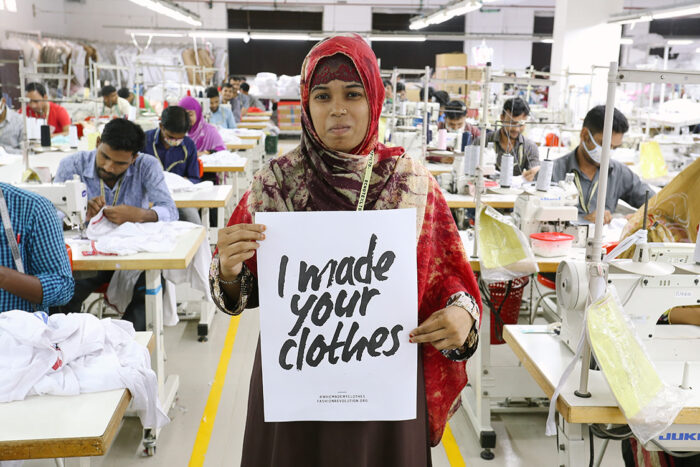
Five years after the deadly Rana Plaza building collapse in Bangladesh, workers and union activists say despite the massive demand from workers for union representation to achieve safe workplaces, worker-organizers must face down threats, harassment and violence to educate workers about their rights on the job.
Since the April 24, 2013, tragedy in which more than 1,130 garment workers died and thousands were injured, the government has approved a little more than half of the garment unions that have applied for official registration, according to Solidarity Center data. Confronted with employers and a government hostile to worker organizations, worker-organizers have sometimes risked their lives to help workers improve wages and working conditions.
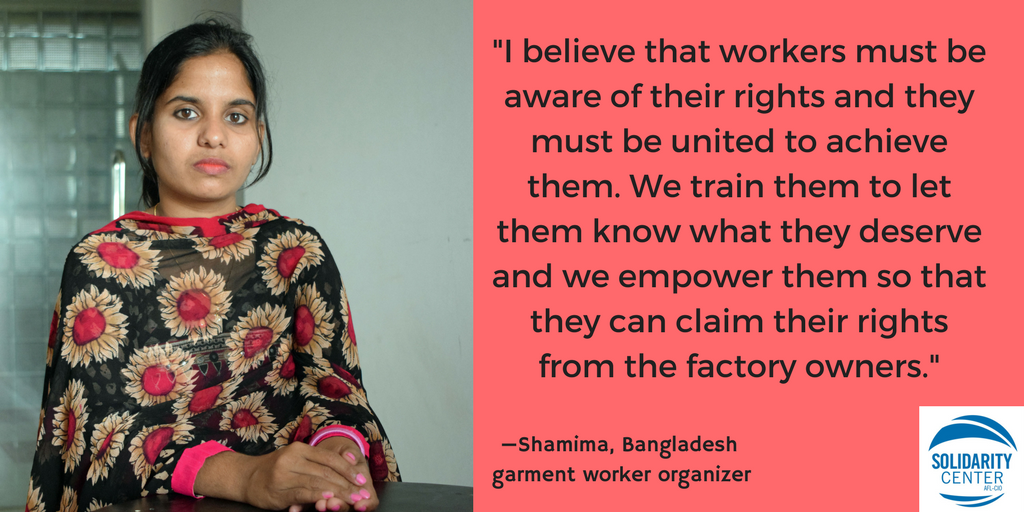
Shamima Aktar, a garment factory worker and organizer with Bangladesh Garment and Industrial Workers’ Federation (BGIWF), is one of them. During a meeting with management at a newly unionized factory, managers refused to grant a demand made by the factory union that salaries be paid on a timely basis. Instead, Shamima and the other union representatives were locked in the building and beaten, she says.
“But what moved me was that hearing about our abuse, 17 trade unions around the community immediately came to our aid and barricaded the whole factory which we were in. The workers needed us on their side to be able to live in peace and I wish to [keep organizing] no matter how difficult it is for me,” she says.
Through persistence and courage in the face of daunting odds, worker-organizers have helped garment workers form unions despite the severe obstacles. In Bangladesh, more than 200,000 garment workers at 445 factories are represented by unions that protect their rights on the job.
“I have worked day and night, went to gates of factories to talk to the workers, walked with them to their homes to earn their trust and to make them aware of how they are being exploited and deprived of their rights,” says Monira Akter, an organizer with the Bangladesh Independent Garment Workers Union Federation (BIGUF). “So far, we have united 2,250 workers into trade unions, and they say that we give them courage and hope. For me, these words are enough to encourage me to work on for them.”
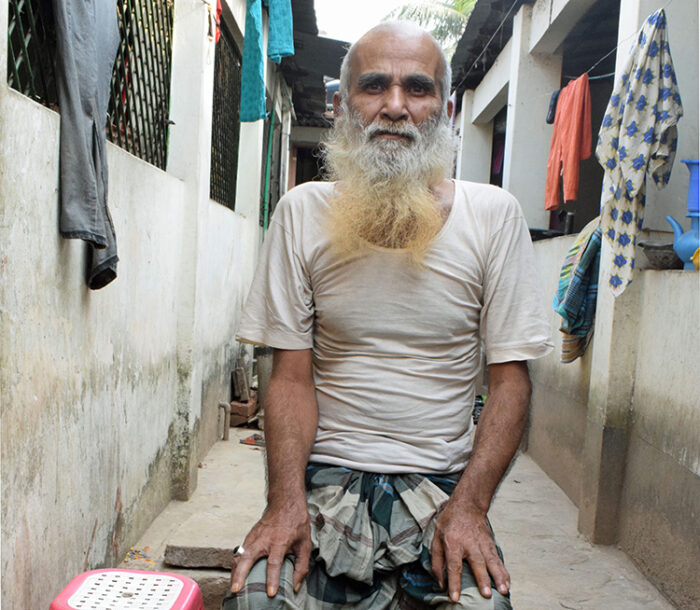
Abdul Hashem – father of worker killed at Rana Plaza
Poverty Wages, Safety Improvements
Wages in Bangladesh are the lowest among major garment-manufacturing nations, even though the cost of living in Dhaka is equivalent to that of Luxembourg and Montreal. The country’s labor law falls far short of international standards, and the Bangladesh government has failed to enact meaningful legal reforms, including addressing the arbitrary union registration process that is vulnerable to employer manipulation. Without a union, garment workers often are harassed or fired when they ask their employer to fix workplace safety and health conditions.
But due to international action after the Rana Plaza disaster, which occurred months after a deadly fire at Tazreen Fashions Ltd. factory killed 112 mostly female garment workers, a variety of efforts to prevent unnecessary deaths and injuries due to fire or structural failures—including the Bangladesh Accord on Building and Fire Safety—have remedied dangers at more than 1,600 factories.
Abul Hashem – father of worker killed at Rana Plaza
The Solidarity Center has trained more than 6,000 union leaders and workers in fire safety, helping to empower factory-floor–level workers to monitor for hazardous working conditions and demand safety violations be corrected.
Such international attention has opened up space for workers to collectively demand—and win—improvements on the job, says Monira.
“I am proud that we have been able to create leaders among the workers by organizing them into trade unions. In the past this would have been close to impossible.”
Iztiak, an intern in the Solidarity Center Bangladesh office, interviewed the worker-organizers in Dh
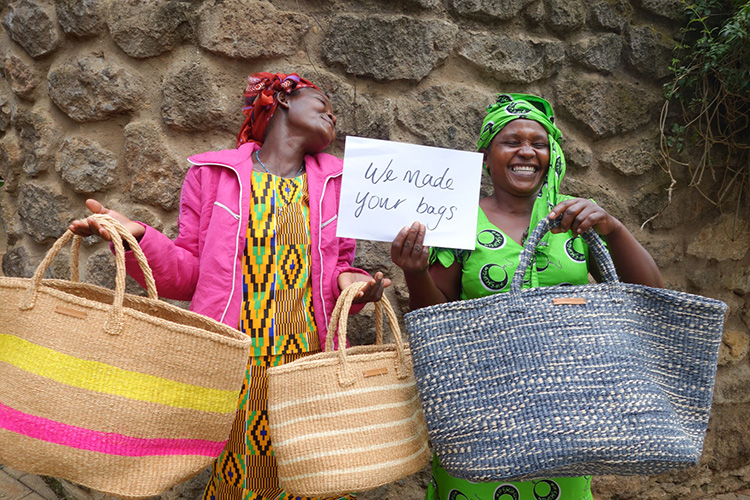
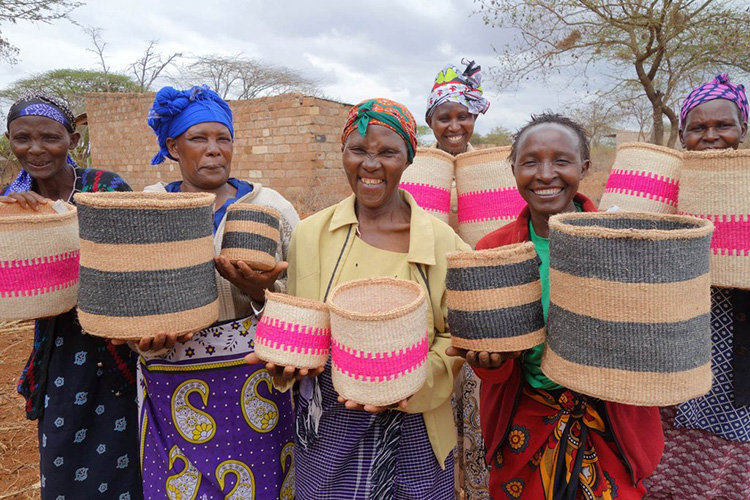
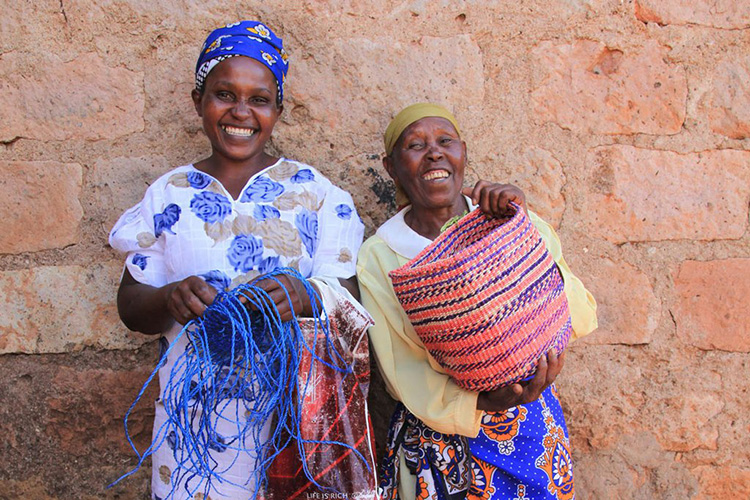
This week we are celebrating Fashion Revolution and the journeys of two women and acknowledge the barriers they have overcome. Nobody tells it better than the weavers themselves – they’re the true beating hearts of The Basket Room and the story behind each woven basket we sell. So we caught up with two members of the Kenyan weaving cooperative we work with: Peninah and Florence. Here’s what these talented craftswomen have to say about being working women in 2017, and the barriers they have overcome through basket weaving and working within a cooperative.
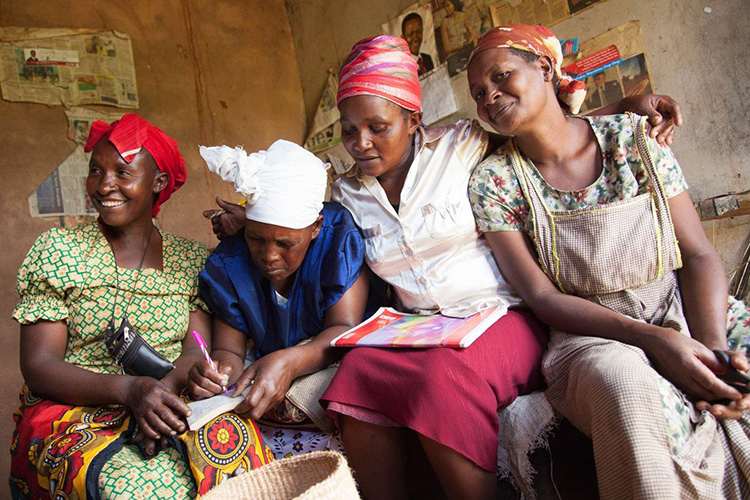
Peninah Munyao was born in 1978. She is married and has three sons aged 16, 11 and 4. As a housewife, she manages the household and also dabbles in farming and of course, basket weaving. Like so many of the weavers we work with, Peninah was taught to weave by her grandmother.
Florence Bernard is treasurer of the weaving cooperative Peninah works for, and was born in 1962. With five children aged between 38 and 23, Florence also runs a greengrocers’ as well as weaving baskets and travelling frequently to Nairobi to sell baskets. Florence has been weaving baskets since 2001 and was taught the craft as a child, by her mother.
What do you feel you have achieved as a working woman?
PENINAH: From basket weaving, I am able to meet the needs of my household: paying school fees, putting food on the table and buying clothes and other essentials, as well as having some money left over to save.
FLORENCE: I have been able to support my greengrocery and basket trading businesses from the money I make from basket weaving. I also use this income to support the needs of my family.
What challenges do you face as a working woman?
PENINAH: Sometimes it is difficult to source enough sisal fibre, since the plant is grown in a different region and it can take a while to arrive at our markets. Since I am also a mother and a housewife, my duties – primarily, taking care of my family – have to take precedence over weaving, which means that sometimes I cannot produce as many woven baskets as I would like to.
FLORENCE: Rain, although a massive blessing to farmers and food sellers, impedes basket weaving. When it does rain, weaving must stop so that the crops can be tended to. Likewise, drought also hinders basket production because again weaving must stop so that we can travel further afield than normal to find water.
Has work given you more independence?
PENINAH: Yes! Before I joined our weaving cooperative a few years ago, I used to rely on my husband for everything we needed at home. Back then, I felt I couldn’t even ask him for money for a new pair of shoes because there were just too many more important things for the home that we needed first. But when I started weaving with our cooperative, I had the means to not only help support the family, but also to surprise my husband with new things for him, like a new hat or a pair of trousers.
FLORENCE: I never travelled much before, but since we started selling the baskets in Nairobi, I’ve realised how much I enjoy travelling. I am now able to travel all over Kenya with my work, and sometimes I take my family with me. I also don’t have to rely solely on my husband’s income in running my household anymore.
Do you feel successful being part of a growing weaving cooperative?
PENINAH: Yes, I do! Not only because this is the best way to trade with buyers, but also because of the togetherness that comes from doing something you love with friends and people who can relate to and understand what you are going through.
FLORENCE: Yes. We usually contribute part of the sales of our baskets to our cooperative. These contributions have made it possible for us to purchase a piece of land where we intend to construct rental properties or a community centre. Group members can also take out loans from the savings we have.
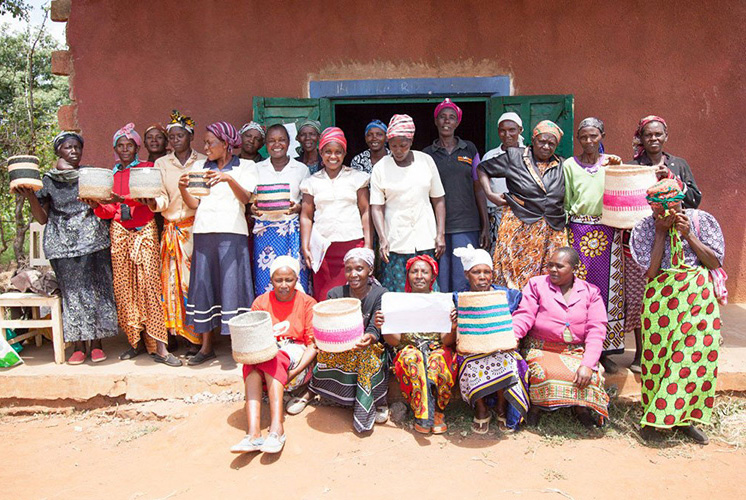
Thank you to Peninah and Florence for sharing their stories with us. Peninah and Florence belong to the Kenyan weaving cooperatives that produce our popular Linear Fusion range of woven baskets and shoppers.
Sheepskins and Knitting Yarn in the Outer Hebrides, Scotland.

The shipping forecast issued by the Met office at 11:30 UTC on Friday 27 January 2017. Northwest Hebrides, Bailey – Southeasterly 6 to gale 8, becoming cyclonic gale 8 to storm 10 then southwesterly 5 to 7 later. Very rough or high, becoming rough or very rough later. Rain then showers. Moderate or poor, becoming good.

January and February are always the toughest months in the Hebridean islands off the north-west of Scotland. For both humans and animals our resources and resilience are at their lowest point, the days are short and dark, the weather extreme and wild.
However, amongst all this there is still beauty and special moments of fiery sunrises, otter tracks to the shore and soaring golden eagles.

In 2015, I tentatively started The Birlinn Yarn Company from our family croft (small holding) at Sunhill on the small Hedridean island of Berneray in the Sound of Harris. We have lived here for the past twenty years, worked, renovated two properties and brought up two sons. We now produce deep luxurious sheepskins and a range of knitting yarn from our own fleeces and those we buy from neighbouring crofters.

Hebridean sheep, dark fleeced and horned, were originally brought here by the Vikings in their long boats around 800 A.D. Overtime the long boats, built for long distance sea voyages were adapted for inter-island travel and became the Hebridean galley or Birlinn. Hence the brand name Birlinn Yarn, what’s more they are still ‘seafaring sheep’ as we take them to and fro from the islands by boat.

Supporting and maintaining traditional crofting (small scale agricultural) practice, which has maintained equilibrium and respect for the ecology for hundreds of years, is very import to our business ethos. We use seaweed to fertilise our crops, keep stock to low intensive levels and every activity or action is measured against the impact to the environment.
Our agricultural activities are set mainly by the rhythms of the weather and seasons. Our sheep lamb on the croft, then once the lambs are strong enough we take them all to the islands for summer grazing. Here they graze on a wide variety of plants, including seaweed, a bit like trying to attain our 5/day fruit and veg – resulting in a good healthy diet.
In July, we return to shear all the sheep on the islands. We choose a good forecast, wait for a crowd of cousins to come up on holiday to help out and it always turns out to be a long, hard but very enjoyable day.

In the autumn the ewes are brought back to the croft to meet their boyfriend (the tup) and then they spend the winter months grazing on the machair (raised beach) to the West of the island. And so the cycle continues …
Amongst many other activities, I am also a practicing visual artist http://www.megrodger.com with an exhibition currently showing at Taigh Chearsbhagh Museum & Art Gallery in Lochmaddy, North Uist. While my current fascination is working with the wind to generate drawings, I am always taking note of the wonderful range of colours we have in the Hebrides.
Thus, just this week, I have launched a new organically dyed knitting yarn range reflecting the subtle tones and shades of the Hebrides. Our ecosystems here are as much Highland as Island given that our habitats range from moor, to machair, shore and sea. In relatively short distances, you can encounter gliding golden eagles, wild orchids, playful otters and roaring Atlantic breakers on the shore.

This range of organic dyed yarns have been produced as a unique and small batch to complement out natural yarns. By over-dying a blended yarn this has given the colours both texture and depth. The yarns come in four colours: Sgeir – Reef, Còinneach – Moss, Monadh – Moor and Duileasg.

What next? Well, I hope this year to work with a knitwear designer who understands our ethos and brand to develop knitting patterns incorporating both the Norse and Hebridean heritage of our sheep and islands.
In the meantime, why not take a look at our website, be tempted and knit yourself a wee bit of the Scottish Hebrides.
http://www.birlinnyarn.co.uk
https://twitter.com/BirlinnYarn
https://www.facebook.com/BirlinnYarn/
Oxford Dictionaries declared post-truth to be the international word of the year for 2016. The word was chosen to reflect the politics of the past twelve months. Truth has been relegated to a bit part on a stage where politicians appeal to emotions and feelings, rather than thoughts and minds.
Fashion Revolution is a pro-truth campaign.
A poem by Sasha Haines-Stiles in Fashion Revolution’s new zine Money Fashion Power concludes:
Who embroiders truth
Who’s naked underneath
Who are you
Who are you wearing?

Illustration by Alec Doherty
For Fashion Revolution, truth means transparency and transparency implies honesty, openness, communication and accountability. Transparency means that if human rights or environmental abuses are discovered, it is far easier for relevant stakeholders to understand what went wrong, who is responsible and how to fix it. It also helps unions, communities and garment workers themselves to more swiftly alert brands to human rights and environmental concerns.
In order to create a sustainable fashion industry for the future, brands, and retailers must start to take responsibility for the people and communities on which their business depends. The factories operating in the Rana Plaza complex made clothes for over a dozen well-known international clothing brands, but it took weeks for some companies to determine whether they had contracts with those factories, despite their clothing labels being found in the rubble. Lack of transparency costs lives. It is impossible for companies to make sure human rights are respected and that environmental practices are sound without knowing where their products are made, who is making them and under what conditions. If you can’t see it, you don’t know it’s going on and you can’t fix it. Tragedies like Rana Plaza are preventable, but they will continue to happen until every stakeholder in the fashion supply chain is responsible and accountable for their actions and impacts.
This week sees the inauguration of new US President Donald J Trump. The Washington Post called him ‘the least transparent U.S. presidential candidate in modern history’ due to his failure to release his tax returns or provide evidence for the tens of millions of dollars he has reportedly donated to charity.
At Fashion Revolution, we are working on compiling the next edition of the Fashion Transparency Index which will cover 100 of the major global fashion brands with a turnover above $1.2 billion. Ivanka Trump’s brand does not disclose her financials, but we thought it would be interesting to measure her transparency against the criteria we used for the 2016 index to see how she would score. Last year we rated and ranked 40 companies based on how transparent they are. Those who are more transparent get more marks than those who are less transparent. It uses a ratings methodology, which benchmarks companies against current and basic best practice in supply chain transparency in five key areas:

The lowest percentage scores in our 2016 index, were achieved by Chanel who scored just 10%, and Hermès and Claire’s Accessories who each scored 17%.
Measured against the same criteria, Ivanka Trump’s brand would have scored 0%. Her website discloses no information at all. Nothing.
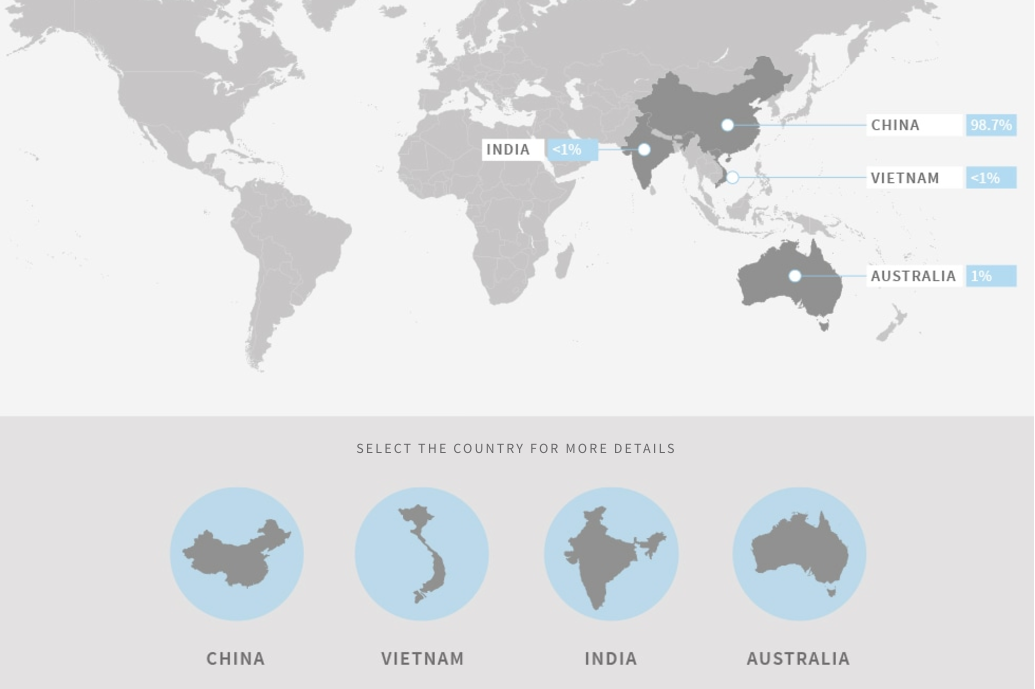
Fashion Revolution’s mantra is Be Curious, Find Out, Do Something. We ask people to dig deeper, look for evidence, hold brands to account, ask them #whomademyclothes. The New York Times has carried out research into Ivanka Trump’s supply chain. According to a review of shipments compiled by import databases Panjiva and Import Genius, the latter of which tallied 193 shipments for the brand during 2016, her shoes and handbags are made principally in China, whilst her dresses and blouses are made in China, Indonesia and Vietnam.
Ivanka Trump’s website is post-truth. It’s not untruthful, but it appeals to the emotions of consumers to sell her clothing, rather than providing any facts. It claims to be the ultimate destination for Women Who Work, but what about the women who work for her in China, Indonesia and Vietnam? Her website contains no code of ethics, no supplier or vendor code of conduct, no sustainability or CSR report, no manufacturing list, no human rights or environmental policies. Nothing.

In the past month, critics of Donald Trump have taken to posting ironic reviews of Ivanka Trump’s Issa boots on Amazon.
On 13 December Lucinda Tinsman posted
Very narrow boots; go well with people with a narrow-minded outlook on life and actively the validity of people of diverse backgrounds from being worthy of civil rights. Because they are made of man-made materials, very difficult to breathe in. Due to the escalation of climate change they are linked to, in all likelihood the wearer will not be able to breathe at all within one generation. They are the product of pure greed, which doesn’t make any sense because even the wealthiest individuals’ children and children will die if their father’s and father’s father’s actions led to a world that cannot support human life, which is what is happening as we speak. Do not buy, for the good of the country or for the good of your children.
Susan Harper gave the boots a five star rating, explaining
The leather is perfectly conditioned with the sweat and tears of underpaid sweatshop workers, and will keep its beautiful sheen for years.
Without being truthful and transparent about how and where her clothes are made, Ivanka Trump can do little to refute disparaging comments about her supply chain. Yes, the reviews are ironic, but if Ivanka Trump had been more honest from the outset, she could perhaps have avoided significant reputational damage to her brand.
The Globescan Corporate Responsibility Radar 2016 found that transparency is a critical driver of trust in business; being seen as open and honest is the most significant driver of trust, yet consumers across the world rate the performance of companies poorly for “being open and honest.” Brands not only need to know their supply chain in detail, but this information also needs to be made available to the consumer in a way which informs and educates and starts to rebuild public trust in the fashion industry. Brands who practice transparency can help build customer trust and enhance their reputation at the same time as safeguarding the health and wellbeing of their workers and the environment.
As George Orwell said in 1984 ‘In a time of universal deceit, telling the truth is a revolutionary act’. So let’s see a revolution and let’s make transparency the word of the year for 2017.

On 24th April 2017, the anniversary of the Rana Plaza collapse, the second edition of our Fashion Transparency Index will be published. It will review and rank 100 of the biggest global fashion and apparel brands and retailers according to their level of supply chain transparency. Brands have been chosen on the basis of two factors: 1) voluntarily requested to be included; and 2) according to annual turnover, over $1.2 billion USD and representing a variety of sectors including high street, luxury, sportswear, accessories, footwear and denim from across Europe, North America, South America and Asia.
Phann is a 40-year-old garment worker living in Phnom Penh with her husband, a security guard. Their rented room is typical for a garment worker—encased by concrete walls and covered by a tin roof with one bathroom and no kitchen. Since Microfinance Opportunities (MFO) began interviewing her in July, Phann has reported working long hours, making products for major clothing brands. She has worked 61 hours a week on average, including three weeks when she worked more than 70 hours, well above the 60-hour week maximum mandated by Cambodian law. Despite her illegal hours, she is paid 66 cents an hour according to our data, falling just short of the legal minimum wage of 67 cents per hour.
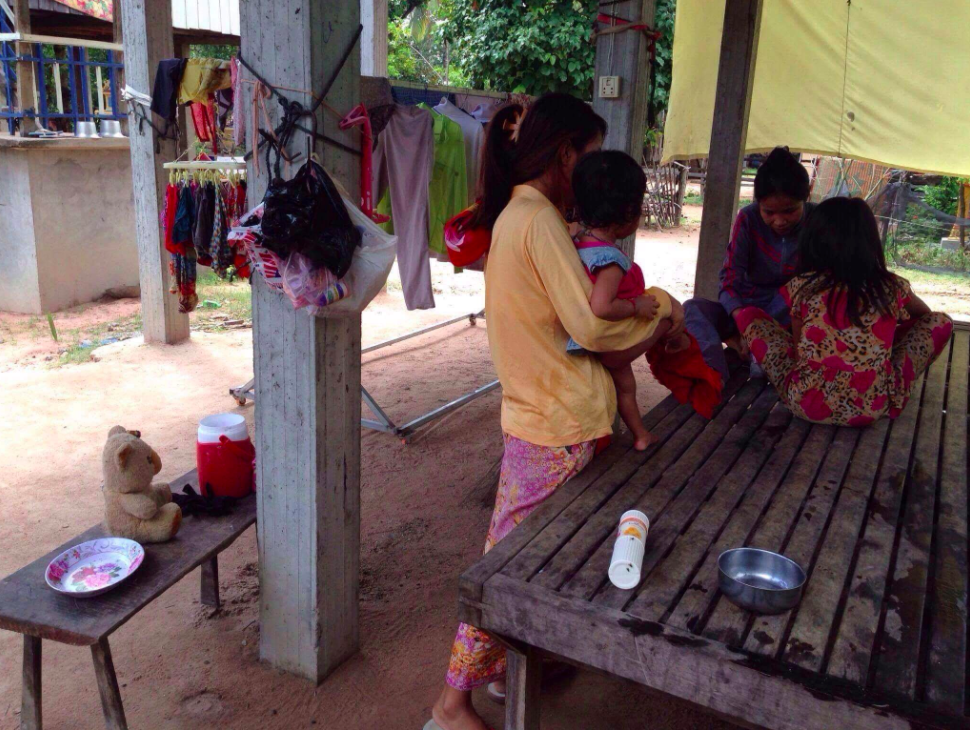
Phann, like the other 180 women participating in MFO’s Garment Worker Diaries in Cambodia, is hoping that 2017 will bring new money as the Government of Cambodia has mandated that factory owners increase the minimum wage from 67 cents to 73 cents per hour, equivalent to an increase from $140 to $153 per month [1].
Most of our diarists are positioned to receive that increase—approximately 68 percent report earning the minimum wage, if not higher. The other 32 percent of workers stand to be disappointed, according to a preliminary analysis of the data. They earn only 57 cents an hour on average, so far below the minimum wage that an almost 30 percent increase in their wages is unlikely.
Not only are they receiving less than the minimum wage, but the ways in which their earnings are calculated are often opaque, and their payment schedules are inconsistent. For instance, Mao—a 28-year-old garment worker living in Phnom Penh—received checks showing that she earned the minimum wage. During our first interview, she reported that the factory paid her $140, but she could not tell us how many hours she worked during the pay period. At that moment, we were hopeful she would be one of the garment workers who received fair wages for her work. Her next check was for $137.50, but she worked 250 hours during the pay period which equates to only 55 cents an hour. She fared better on her next paycheck, earning 68 cents an hour for 227 hours of work. However, by the time she received her fourth check, any pretense that she was receiving fair wages had disappeared. She earned $90 for 200 hours of labor, equal to 45 cents an hour.
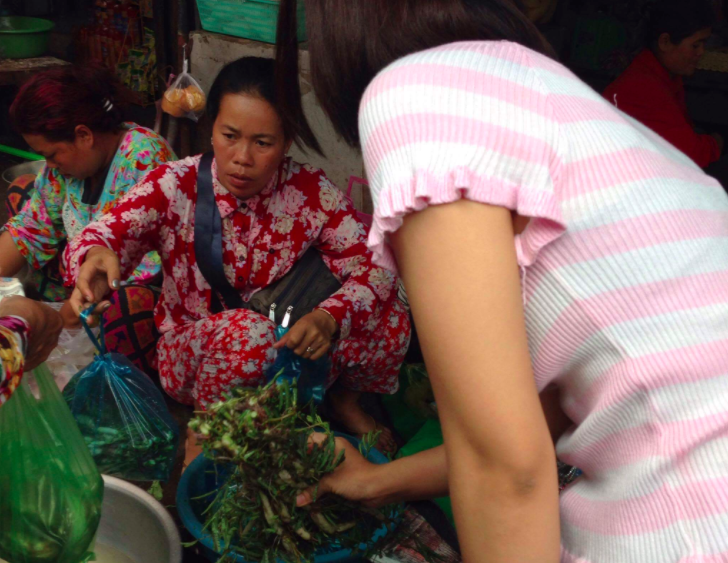
At least Mao’s employer paid her. Chen, who works in another factory in Phnom Penh, worked 194 hours but was never paid as her employer absconded. She and her colleagues did everything possible to stop him: they attempted to block the exits to the factory to prevent his escape and sought a court order to detain him, or at least seize the assets of the factory, but those efforts proved unsuccessful. As of this writing, she has still not received any compensation for her work.
For women like Mao and Chen, and women like Phann who are paid fairly but work in excess of what is allowed by law, an increase in the minimum wage will not be enough to ensure their dignity. Brands and the Government of Cambodia must enforce the regulations that ensure fair wages and working conditions.
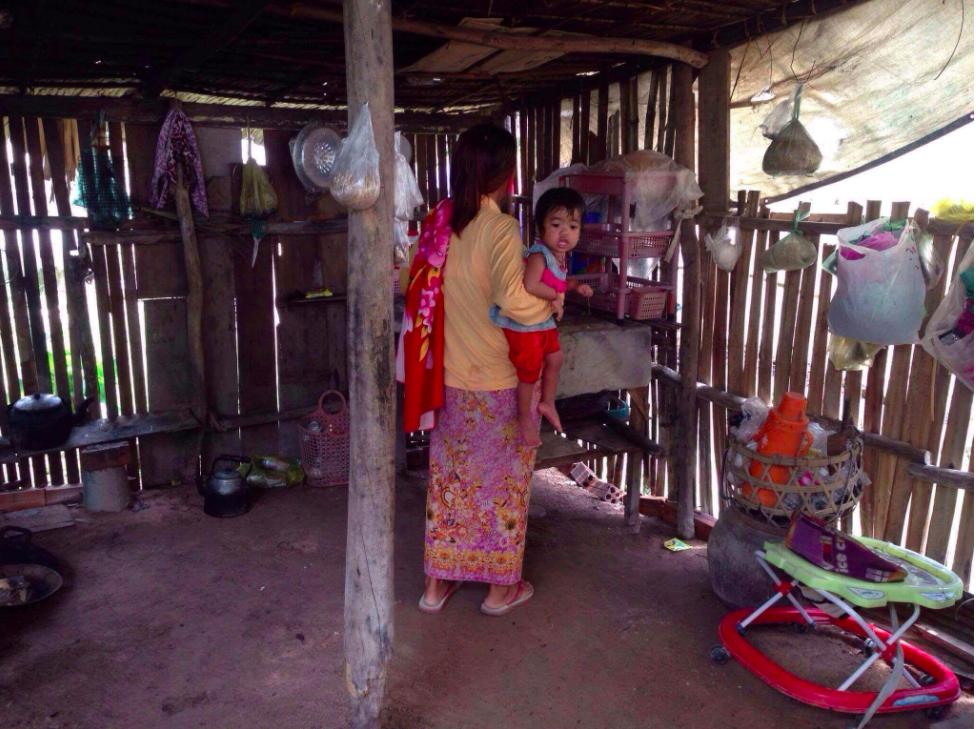
There has been slow progress in this regard, and a lack of transparency in the supply-chain makes evaluating the pace of progress difficult. Organizations like the Solidarity Center and Human Rights Watch are investigating working conditions to bring better transparency to the sector, but their main leverage point is to indict the reputation of the brands, a real but indirect threat to brands’ bottom lines. Consumers, with their ability to directly impact brands’ by altering their purchasing patterns, are the ultimate leverage point. For change to occur, you as consumers must demand transparency and fairness throughout the supply-chain.
To ensure dignity for these women, you must demand a fashion revolution.
[1] The legal minimum wage in Cambodia is $140 per month and is not typically reported as an hourly rate. The legal regular work week, before earning overtime, is 48 hours per week. For an average month, this equates to 67 cents per hour. The government has set the minimum wage in 2017 at $153, equal to 73 cents per hour.
The Garment Worker Diaries is a yearlong research project, led by MFO and supported by C&A Foundation, which is collecting data on the lives of garment workers in Bangladesh, Cambodia, and India. Fashion Revolution will use the findings from this project to advocate for changes in consumer and corporate behavior and policy changes that improve the living and working conditions of garment workers everywhere.
On the 12th Day of Christmas
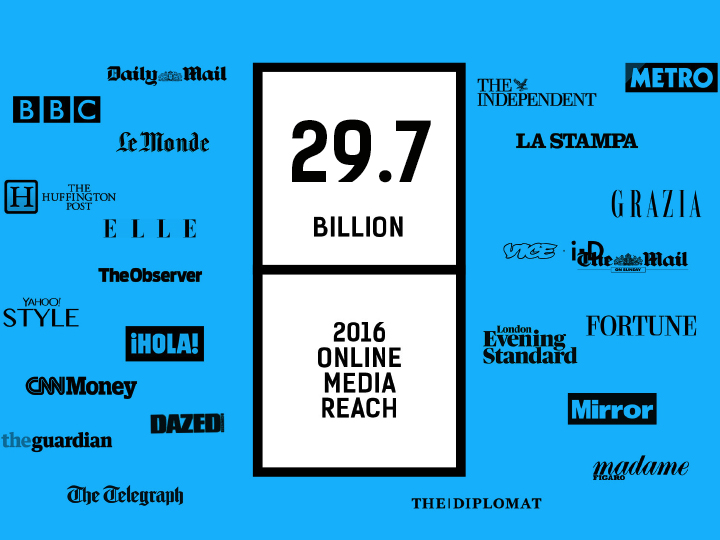
12 months of press coverage.
1619 press articles generating Circulation (Potential Viewership) of 29.7 billion, according to Meltwater press figures.
On the 11th Day of Christmas
11 steps to creating a revolution.
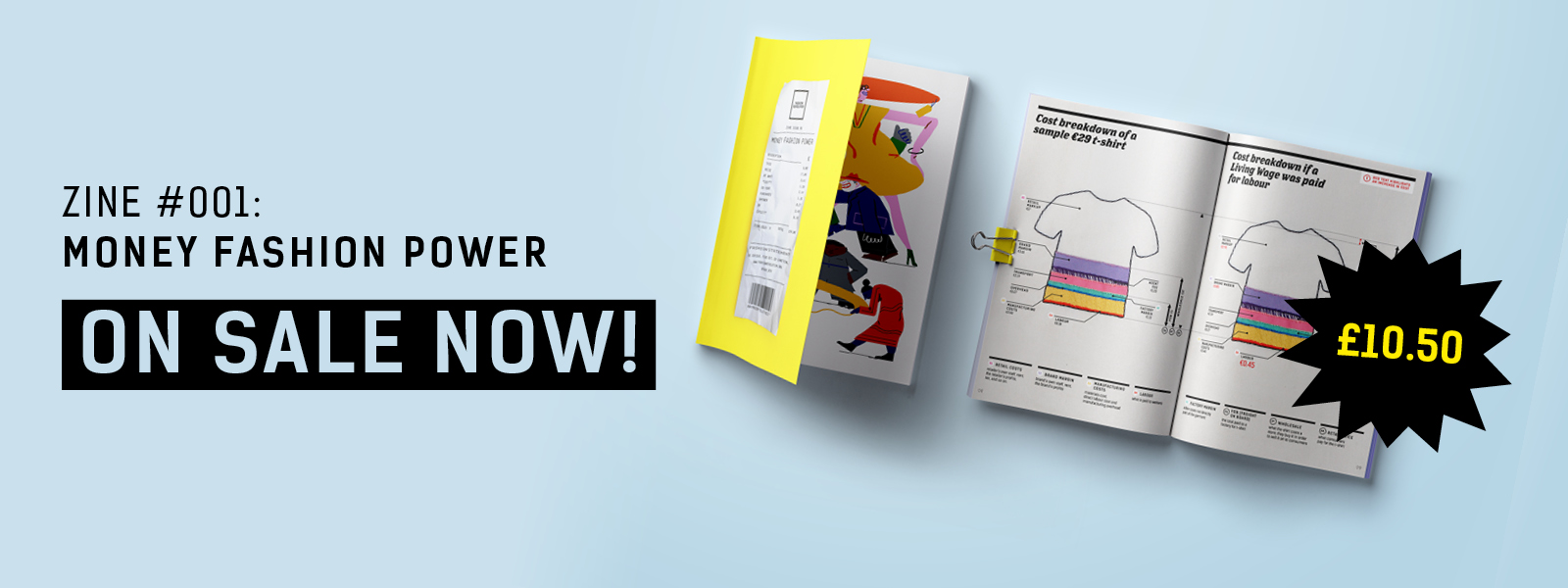
Blueprint for Revolution by Srdja Popovic is one of the books and reports reviewed in Fashion Revolution fanzine #001 Money Fashion Power. Through 72-pages of poetry, illustration, photography, graphic design and editorial, this collectible zine explores the hidden stories behind your clothing, what the price you pay for fashion means, and how your purchasing power can make a positive difference. Published in January and available for pre-order now.
On the 10th Day of Christmas
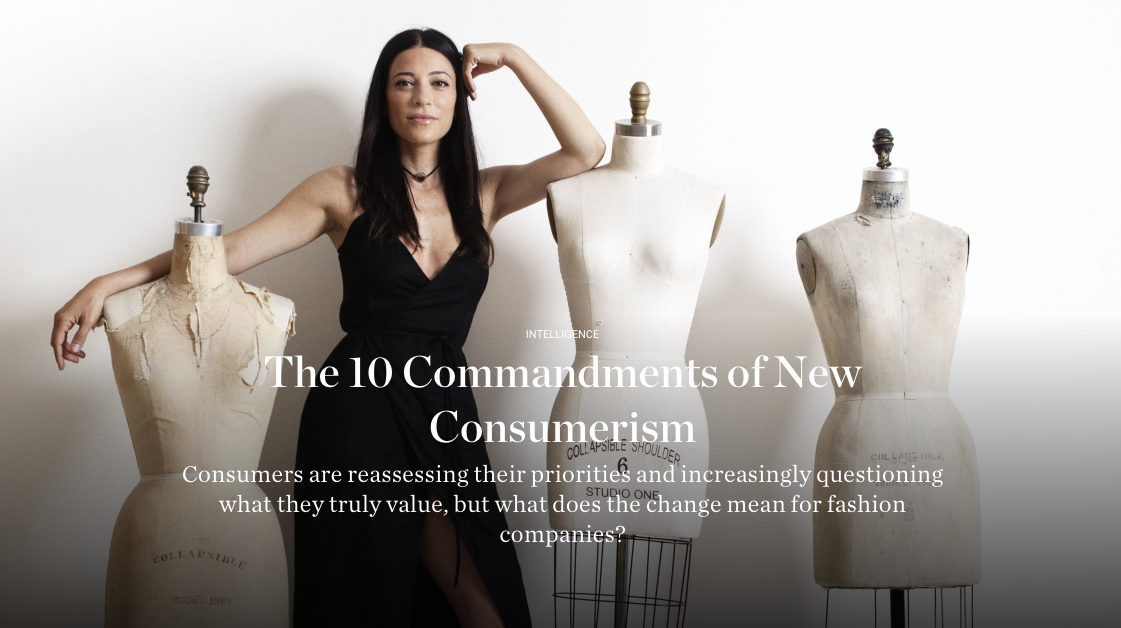
Business of Fashion published the 10 Commandments of New Consumerism
BoF outlined the 10 factors that define new consumerism and what this change in shopping habits could mean for fashion brands and retailers. BoF said “For decades, a brand’s only priority was to create the best possible product at the most competitive price to ensure sales. But as consumers develop a more comprehensive understanding of issues like sustainability, authenticity and transparency, brands and retailers are being forced to change the way they sell in order to survive”. Coming in at no. 1 in the 10 Commandments for New Consumerism is: Provide Transparency Into Your Business Practices.
On the 9th Day of Christmas
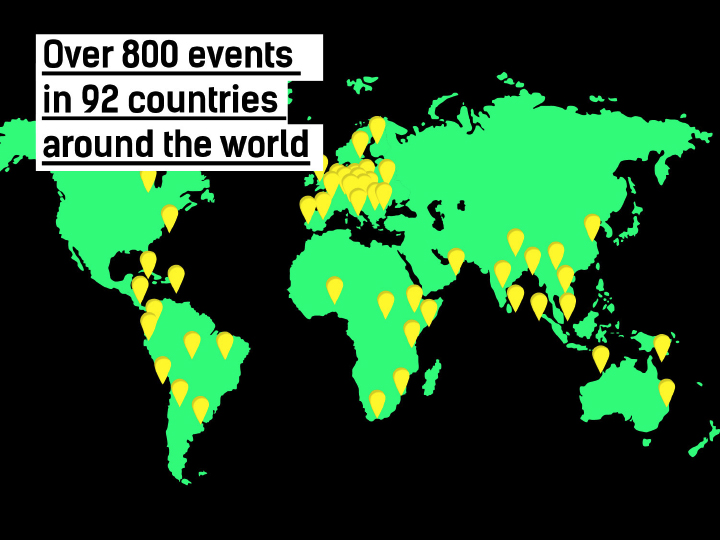
92 countries around the world were involved in Fashion Revolution Week in April 2016.
And even more countries have joined the movement since April. Find out what’s happening in your country.
On the 8th Day of Christmas
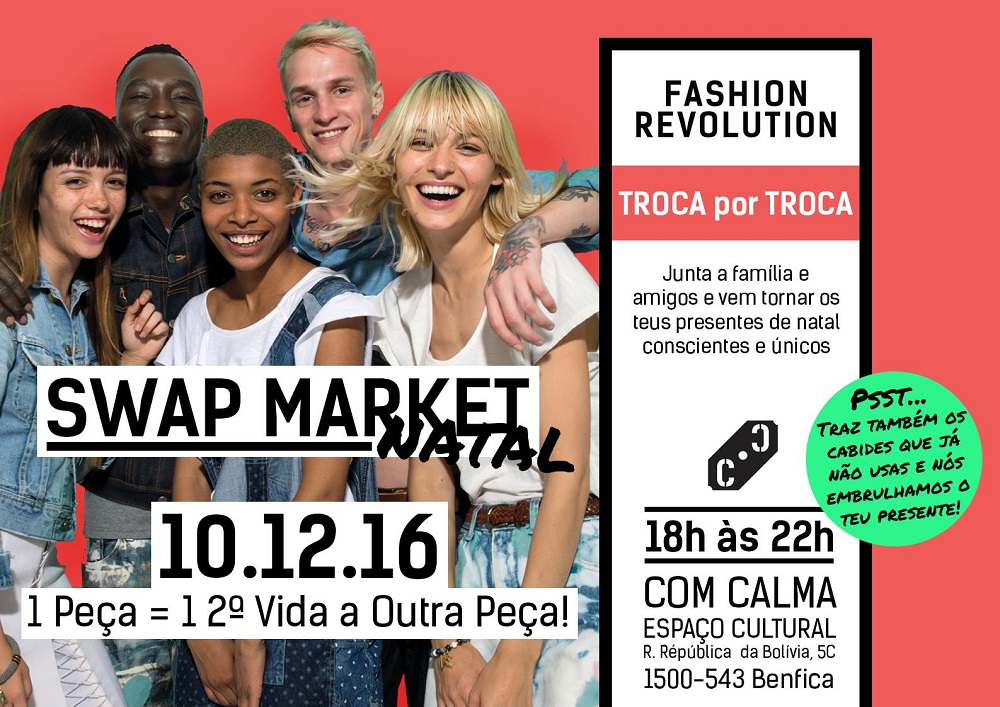
Over 800 Fashion Revolution events around the world.
Clothes swaps, film screenings, exhibitions, fashion shows, panel discussions, selfie walls, Fashion Question Time in the UK Houses of Parliament and more. Find out what’s happening in your country on our Events page.
On the 7th Day of Christmas
7th most successful global PR campaign in The Global SABRE awards.
The Global SABRE awards honour the world’s 40 top public relations programs of the past year. Ketchum came 7th for the Fashion Revolution Germany video, €2 T-Shirt – a Social Experiment which has received over 7.6 million views to date.
On the 6th Day of Christmas
6.30am Wake Up, 1.30am Sleep.
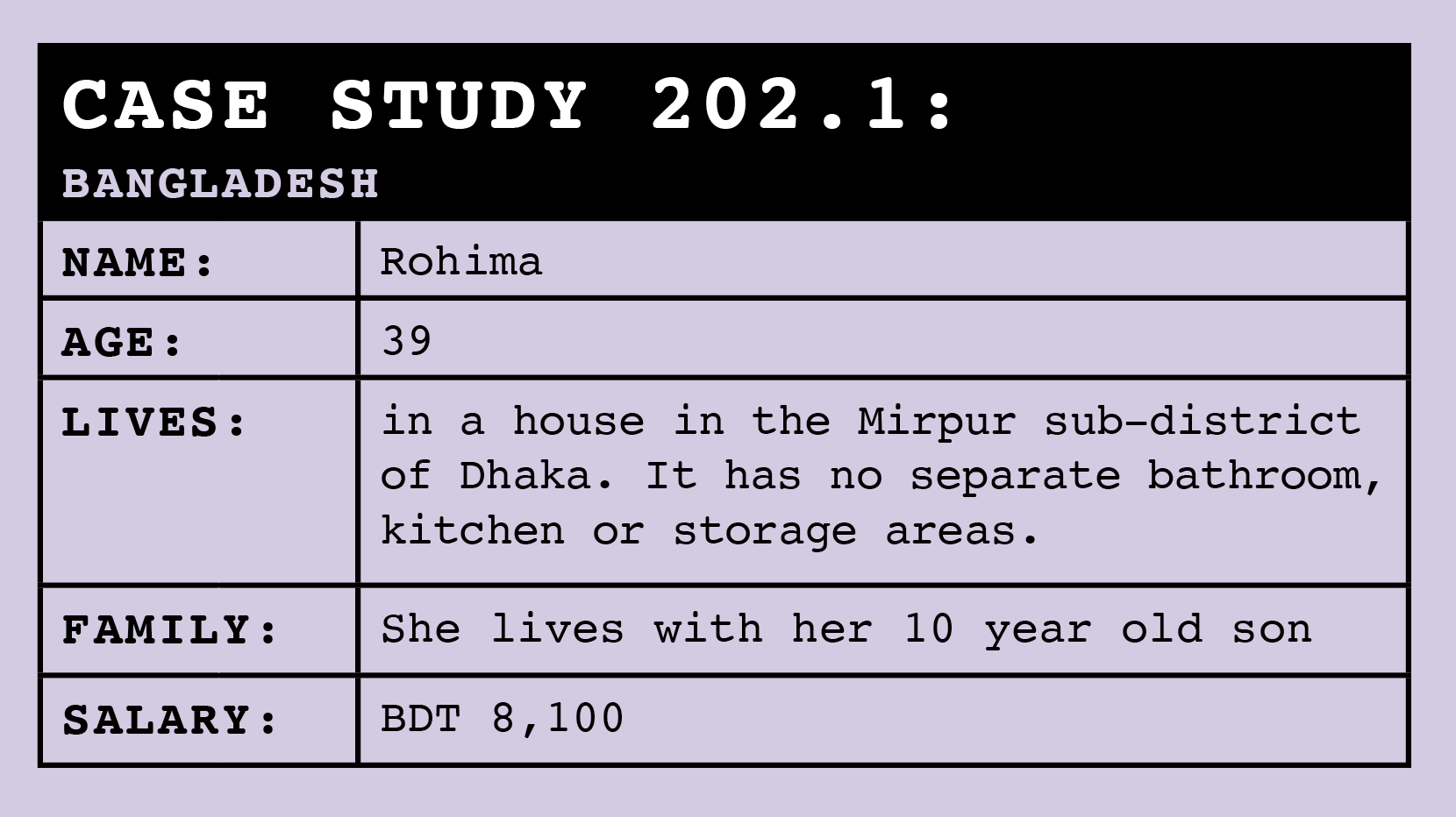
Garment Worker Diaries, lead by Microfinance Opportunities and funded by C&A Foundation, is gathering firsthand accounts of 540 garment workers in Bangladesh, Cambodia and India. Researchers are collecting information on what these women earn, spend, put in and take out of their savings, borrow from others, and lend to others. We are also learning about their daily schedules and what kind of conditions they’re working in at the factory. Over the course of 12 months we will have a better understanding how these garment workers survive on low pay and deal with problems such as chronic pain, harassment or illness. Find out more the daily routine of a garment worker, how much she earns and how much she spends in a week in our Money, Fashion, Power fanzine.
On the 5th Day of Christmas
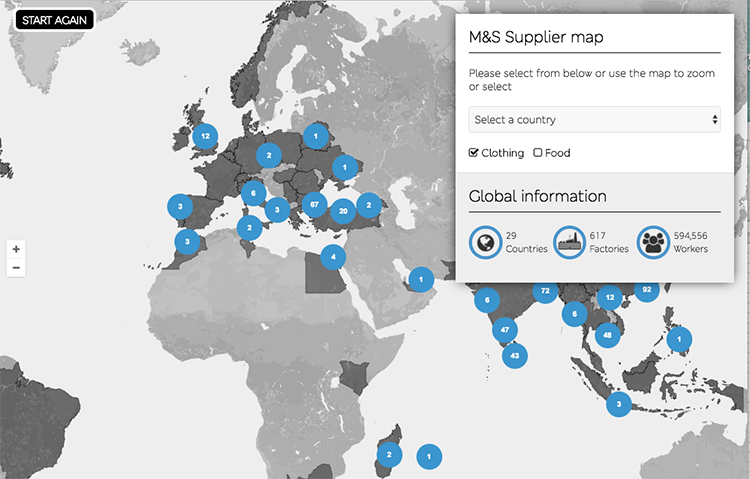
5 out of the 40 brands on our inaugural Fashion Transparency Index were publishing their factory lists.
However, since April we have seen Gap, Marks and Spencer, VF Corporation (who owns The North Face, Vans, Wrangler and others) and Jeanswest publish a list of the factories where their clothes are stitched and Inditex, who own Zara, Massimo Dutti and Pull and Bear among other brands, has published a list of the facilities where its clothing is dyed, washed, printed and where leather is tanned.
The 2017 Fashion Transparency Index will cover 100 of the world’s largest fashion brands.
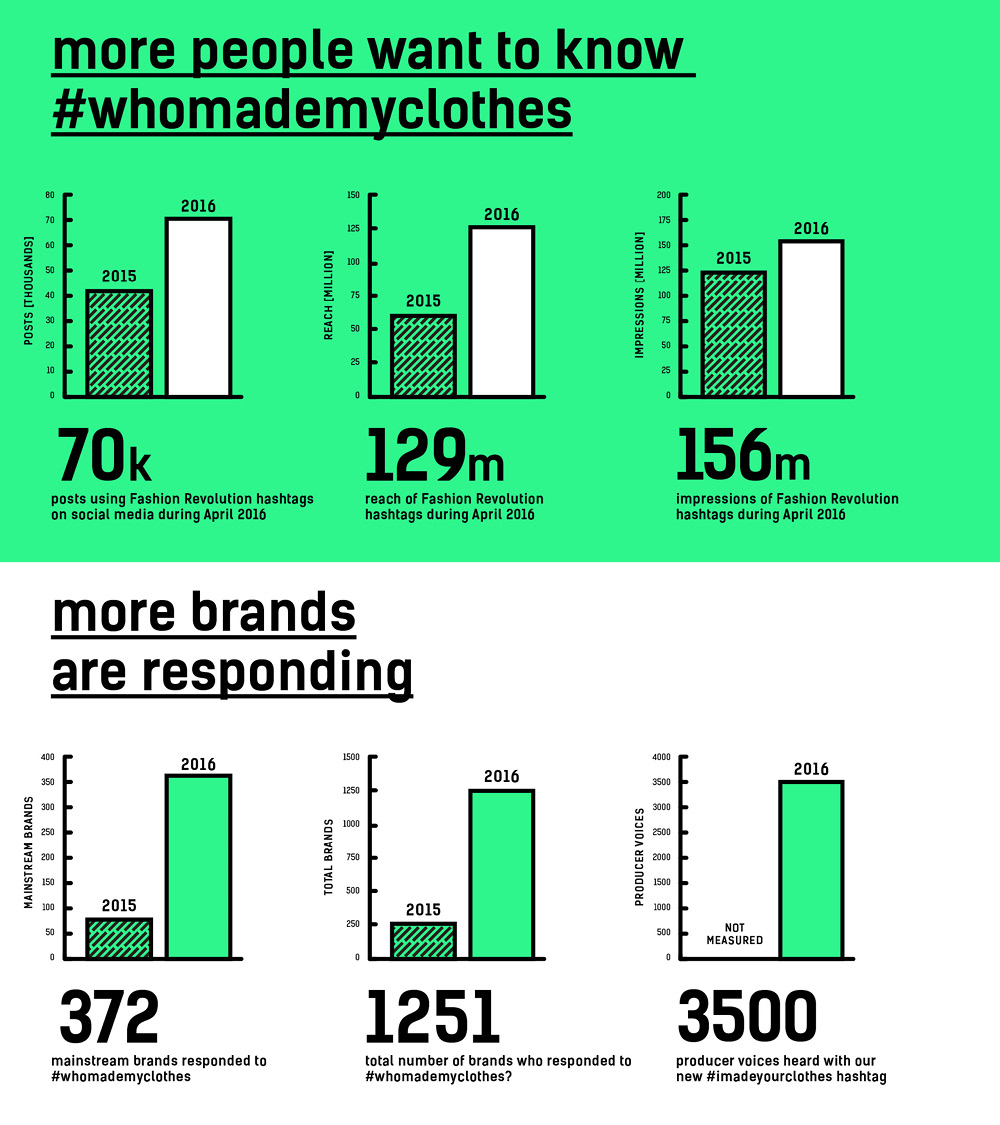
4 campaign hashtags used during 2016
#FashRev (general), #whomademyclothes (ask to brands) #imadeyourclothes (producer photos and stories) and #haulternative (alternative ‘hauls’) generating 156 million impressions during Fashion Revolution Week.
For 2017 our hashtags will be #FashionRevolution, #whomademyclothes, #imadeyourclothes and #haulternative.
On the 3rd Day of Christmas
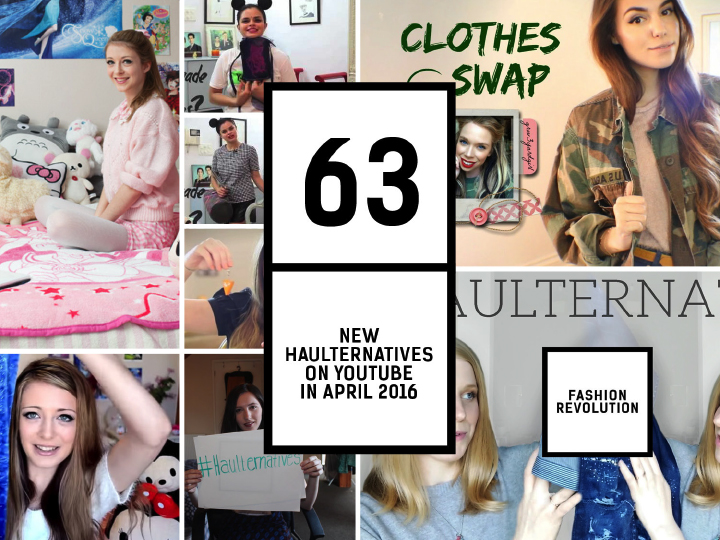
3.11 million views of Fashion Revolution videos in 2016.
Fashion Revolution Brasil’s Fashion Experience: o outro lado da moda, Fashion Revolution Germany’s The Child Labour Experiment, #Haulternatives by Cutie Pie Marzia and Maddu, plus over 60 more #Haulternative and Love Story videos posted by people around the world.
Find out how to make your own #Haulternative and Love Story videos on our website.
On the 2nd Day of Christmas
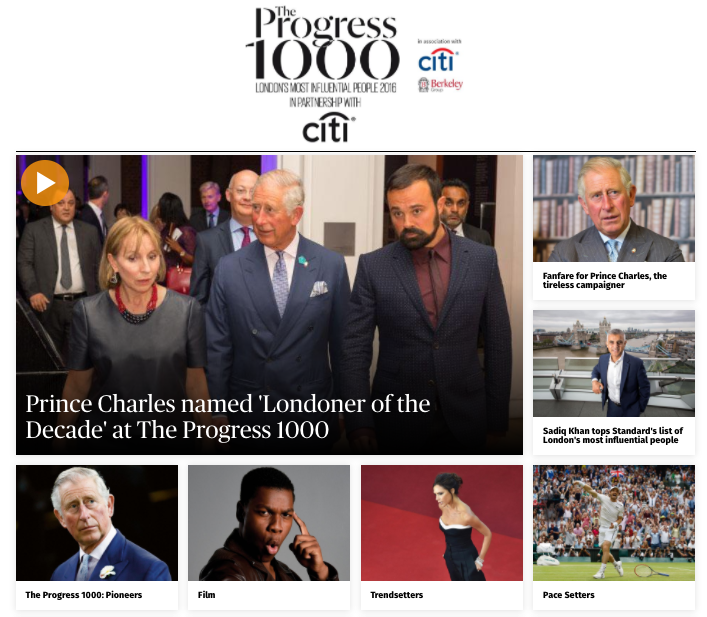
2 founders of Fashion Revolution, Carry Somers and Orsola de Castro were named amongst the most influential people in London 2016.
Carry Somers and Orsola de Castro were listed in the Evening Standard’s Progress 1000 Awards in the Equality Champions category which included the Duke and Duchess of Cambridge, the Duchess of Cornwall, David Beckham, Richard Gere and Stephen Fry,
On the 1st Day of Christmas
One global campaign changing the fashion industry.
Please be a part of the Fashion Revolution and help to make our voice even louder in 2017. Be Curious. Find Out. Do Something About It.
Help us launch our 2017 theme MONEY, FASHION, POWER.
Please donate to keep strengthening the movement.
By Allison Griffin for Remake
Few things are more powerful than a room full of women who have something to say.
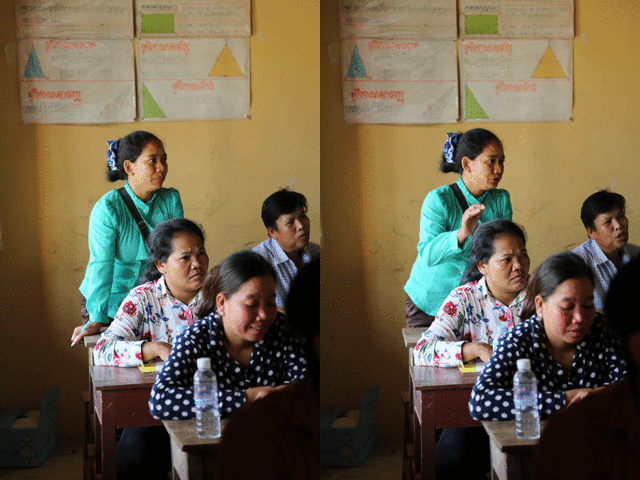
As part of our Remake Journey we traveled 2 hours outside of Phnom Penh along dirt roads to a small school in the middle of rice fields, one of the few safe places makers are able to unite to talk about their rights without the police breaking up the meeting.
This gathering was hosted by Solidarity Center, to help makers fight for their rights. We learned that when big factories agree to cheap prices and tight deadlines, they often can’t meet these demands. So they ship orders off to fly by night operations–dark, dingy subcontracted factories where the conditions are the worst.
The women we met had sneaked out labels from the brands they illegally sew for including Zara, H&M and Tommy Hilfiger. It was dangerous for them to sneak these photos and labels out but they did it anyway, in the hope that we and you as readers would help them, to ask these brands pressing questions about why they worked such long hours for so little.
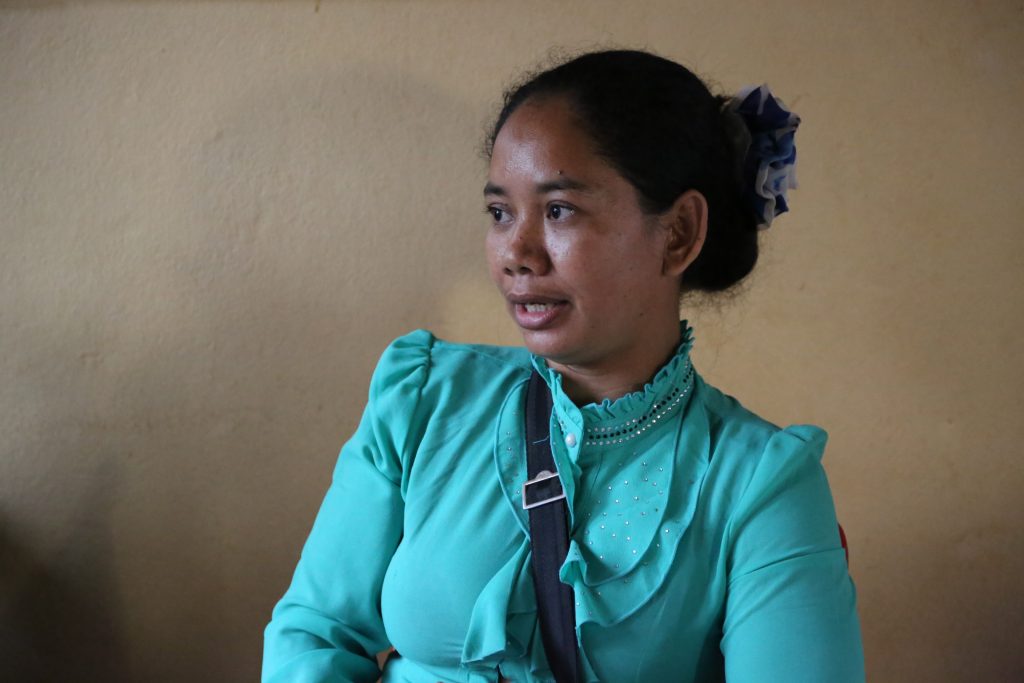
I had the honor of sitting down with one such maker, Char Wong. This is her story:
I grew up in a family of eight children raised by a single mother. I was a farmer before working in a subcontracted garment factory. I found work in a subcontracting factory to earn more money and provide a better life for my own family, but the pressure from the daily quotas is stressful and the money is not enough.
I support my 16-year-old son, 10-year-old daughter, my elderly mother, along with my husband who is a farmer. I struggle to feed everyone with the minimum wage and extra $2.50 a day that I earn. My mother has diabetes and her medicine costs $30 a month, over 20 percent of my monthly income. I also want to save money for my children’s education.
wanted a better life for myself and my family which is why I took this work. But life has become harder. I get paid per 12 pieces, but if there’s even one single error in the batch, I don’t get paid at all.
A few years ago, the factory would receive an order for a new design every two or three months, but with the new fast fashion cycles, it now gets more and more new designs in a shorter amount of time. Learning complex designs is very difficult and we get no training. Sometimes it takes two or three hours just to learn and the factory supervisor scolds us for any mistakes. The more time it takes to learn a design, the less time I have to meet the quota and the less money I make. I typically make $5 a day, but with the more complex designs, I only make $2 a day.
Sometimes I cry because I fear I won’t meet the quota and get paid.
Like most parents from all corners of the world, I want a better future for my two children. I hope to pay for their college education so that they can work in Cambodia’s government. Government jobs pay well and do not require hard physical labor. I hope that my children can be government leaders and help improve the conditions and rights of future garment factory makers, just like myself.
I am grateful for organizations like the Solidarity Center, who teach us about our rights. I am learning to speak up more. I want my story and my colleagues’ stories to spread to people throughout the world.
You being here, listening, makes me hopeful.
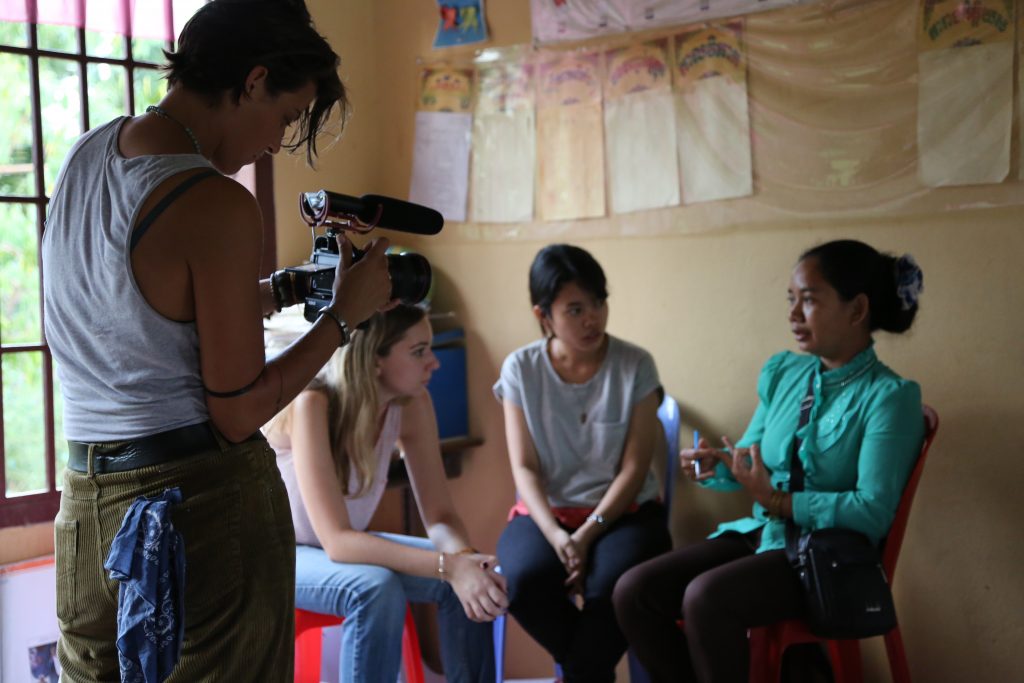
I definitely felt a lot of girl power throughout the day, both from our own all female crew and the makers we met. These women are not playing victims, but fighting for their rights and educating themselves on their rights. Speaking with Char Wong, I realized that the hopes she has are fundamentally no different from mine–for a fulfilling life. I hope as a designer, I can be a part of the change and that this story moves you to buy better. Together we can #remakeourworld.
By Allison Griffin for Remake
I am not nervous to speak with you at all. My life has been full of hardships. At this point I am not scared of anything.
We met Sreyneang, a woman who has been working inside a Cambodian denim factory for three years, but has worked in the garment industry for many years. We traveled back to her home with her after her shift in a vehicle similar to a tuk tuk, but larger and less put together. The motorbike pulled a wagon with wooden beams across as seats and you had to balance the weight of people sitting, so that it would not tip over.This or trucks with empty backs are what most of the makers in Cambodia take to and from the factory.
I’ve been sewing since I was 15, my whole life. My husband was a security guard but he got sick. So now my garment maker salary supports him and my two daughters.
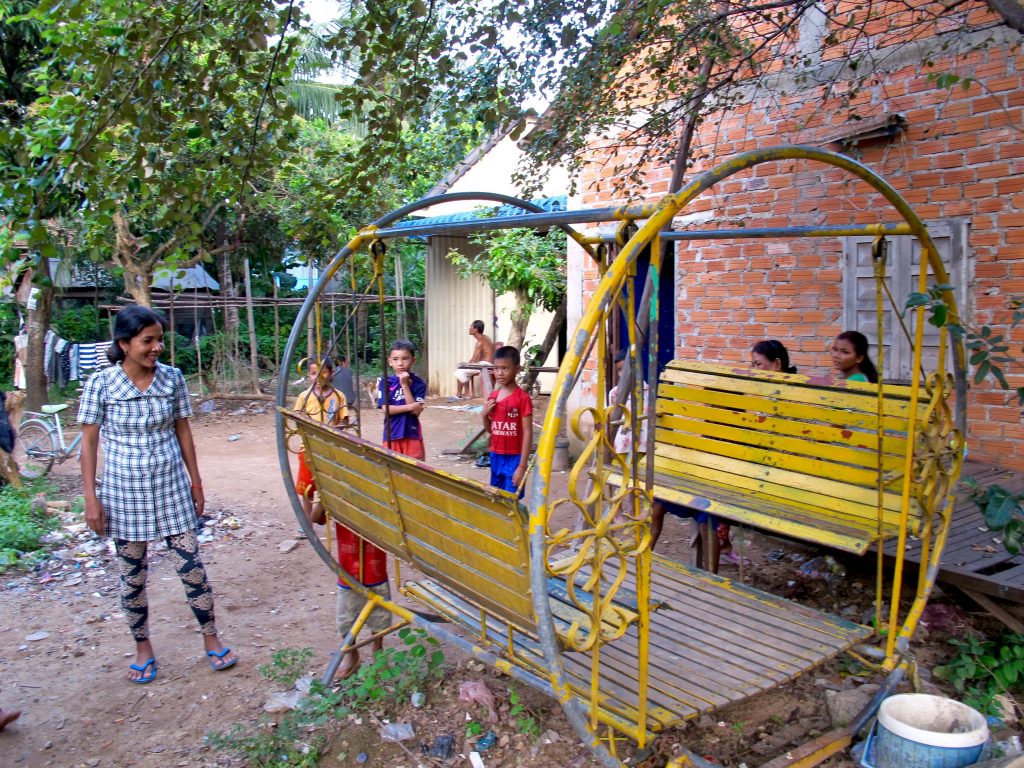
I work two jobs. I get up early. Take my kids to school. Then I take transport to the factory. At night I work as a tailor to supplement my income. I usually work until 10 or 11PM at night.
My home village is 3 hours away but I have a small house I bought here, which is unusual because most of my colleagues in the factory are stuck renting from landlords who raise the rent every time our wages are raised.
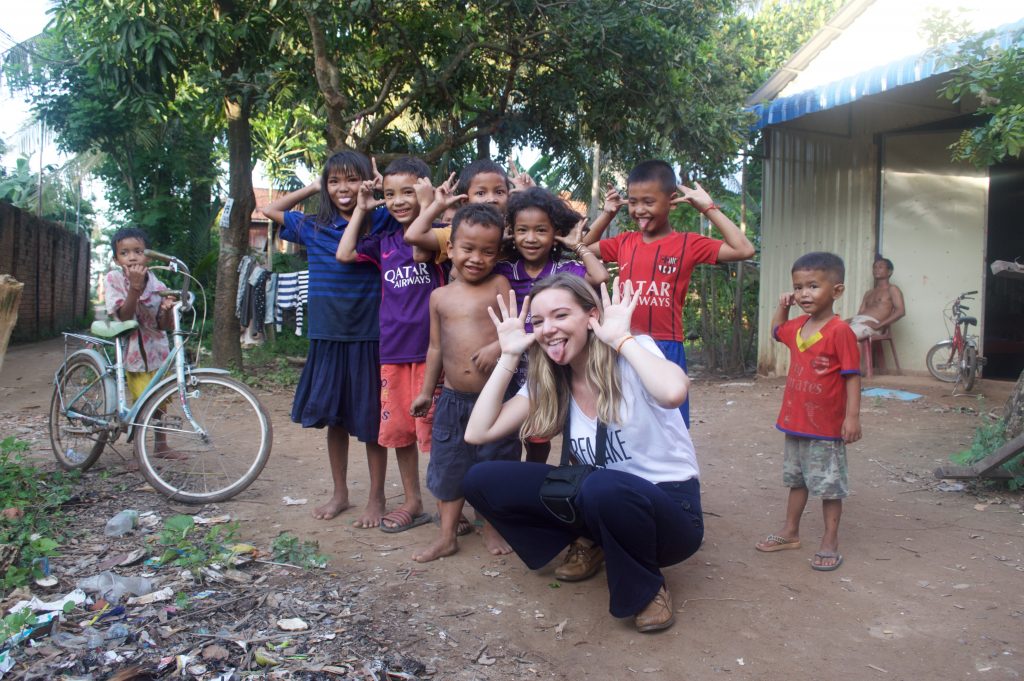
Her home was at the end of a dirt road and there were a lot of children all around. It was one room with earth flooring and a woven mat and benches, but no beds or indoor plumbing, but it did have electricity. She said she saved up to buy this land and built this house because it was closer to work.
My daughter told me she would drop out of school and start working to help me because she knows how stressed I am. But I said NO. She’s 14. I want her to stay in school and have a different life than me. I want my daughter to go to a school like Parsons and become a designer!
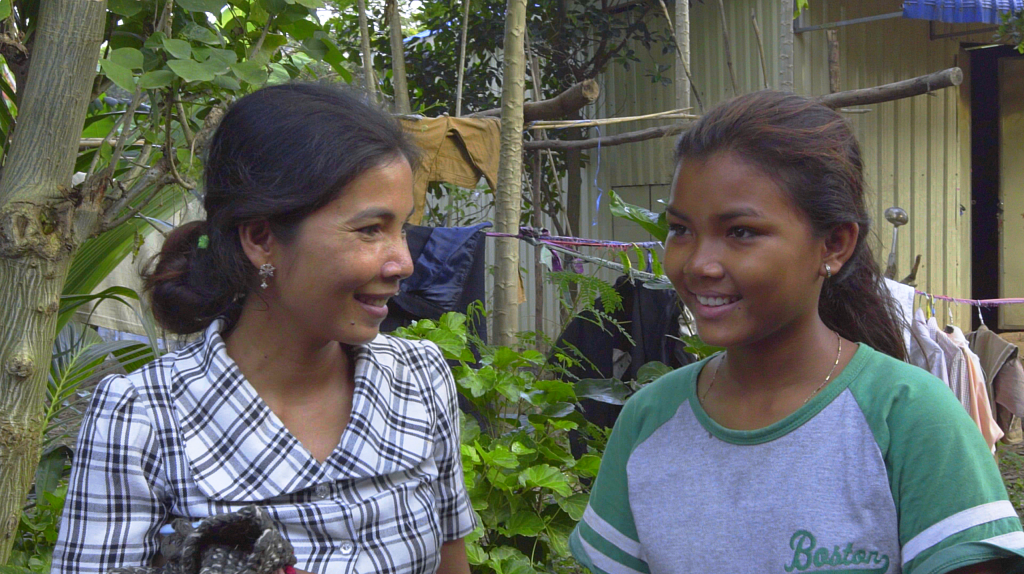
At dinner, she bought water bottles for all of us, which was very kind because they are expensive. While eating dinner, Sreyneang said she usually has only two spoonfuls of rice for dinner. It definitely put things into perspective and you could see the direct effects of low wages.
Sreyneang said she felt blessed that she met us. She wondered if her life would change from this meeting. We parted ways with WhatsApp numbers, big hugs and promises for a future evening together.
The world is round and we are all sisters. I want designers to know of the hardships and suffering in my life, of makers’ lives and the low wages we get.
Fashion design schools have an allure. Many young women in their early twenties get fashion degrees hoping to launch their own lines and drive the aesthetic of a camera-ready $3 trillion industry.
In reality, they enter a competitive market, applying for entry-level design positions in expensive cities. If accepted, they will work long days, under tight deadlines and fluorescent lights, all for salaries as low as $30,000. These graduating designers have little choice but to dive in and hope for a better future.
Interestingly enough, overseas, where roughly 97% of our clothes are made today, there are also young women in their early twenties toiling away on the assembly line. Their wages are low, working hours long, and conditions often difficult. And yet, for these young makers, factory jobs also represent hope for a better future.
Today we buy more clothes and yet somehow pay less for them. This phenomena called fast fashion, much like fast food means the industry cuts corners. What started as a way for more of us to look good on a budget has resulted in a rise in cheap, chemical filled clothes, brought to us by human hands forced to work longer hours for low wages.
But this article isn’t about shaming the fashion industry for building a broken business model. It’s about linking the amazing women on either end of the supply chain – designer and maker – to come face to face, woman to woman, to create a more human centered fashion industry.
80% of the people who are making our clothes are women, usually just 18-24 years old. Their hopes and dreams match ours: to be happy, healthy and see the world. At Remake, we pass the mic back to the women hidden at the other end of the supply chain. We have traveled to Haiti, India, Pakistan and China, to ask her to share her stories.
Our recent Remake Journey to Cambodia was in partnership with Levi Strauss Foundation and Parsons School of Fashion, home to fashion icons such as Donna Karan, Alexander Wang and Tom Ford. We took three of Parsons’ amazing graduating designers:
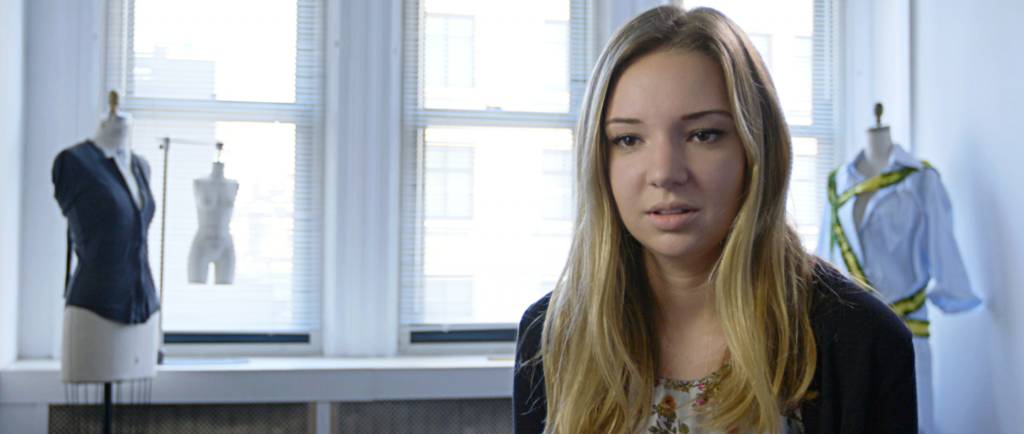
“As a fashion designer, we are so distant. A lot of our industry uses makers oversees and are so disconnected from them, but these are the people who are creating our work and our designs. So meeting with them and having that more manifested in our heads is a connection we need to be thinking about more.”
Meet Allie Griffin, whose great grandmother used to make our clothes right in NYC’s old garment district. Coming to a prestigious school like Parsons and recently interning at Oscar de la Renta, she feels that in one generation her family has come full circle from maker to designer.
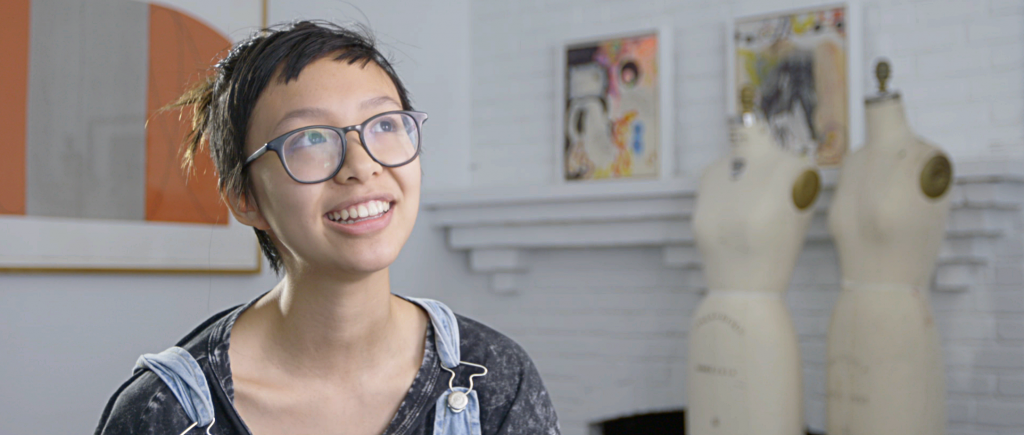
“Fashion effects economies, politics…something you don’t normally think about. But at the end of the day there are people making our clothes, human lives depend on these jobs. That’s why fashion is important to me.”
Meet Anh Le, who designs menswear and has recently interned at American label Thom Browne. Her parents came as refugees from Vietnam, where her family worked in the garment industry. As an Asian aspiring designer, she wants to do right by creating clothes that are ethical and respect the maker.
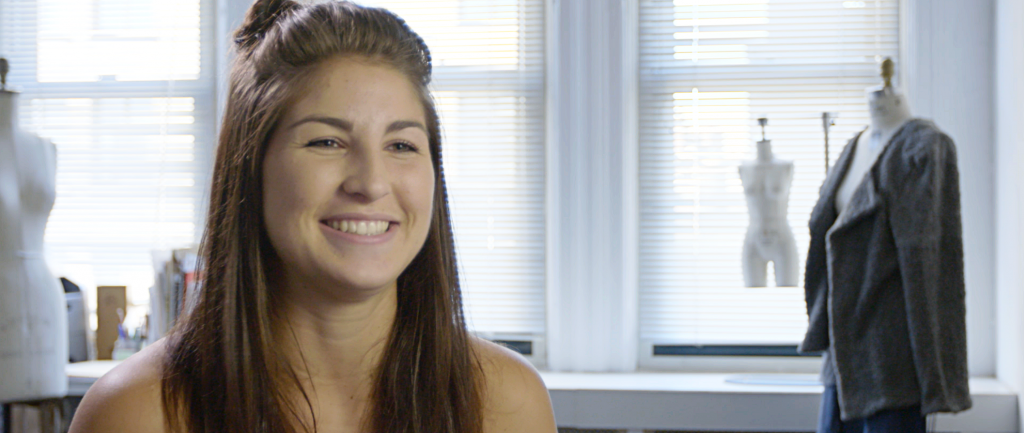
“I’m really interested in being part of this new generation of fashion designers. We are interested in finding ethical and sustainable ways to participate in fashion. There are a lot of problems that I see, like low wages, underage workers, poor working conditions. I know a lot of my fellow students and I think it’s time to change how we make fashion.”
Meet Casey, who has designed future forward collections in collaboration with Tide and Intel. She is deeply interested in creating more sustainable patterns and textiles in union with factory systems.
Day 1: Tonlé: Zero-Waste Fashion
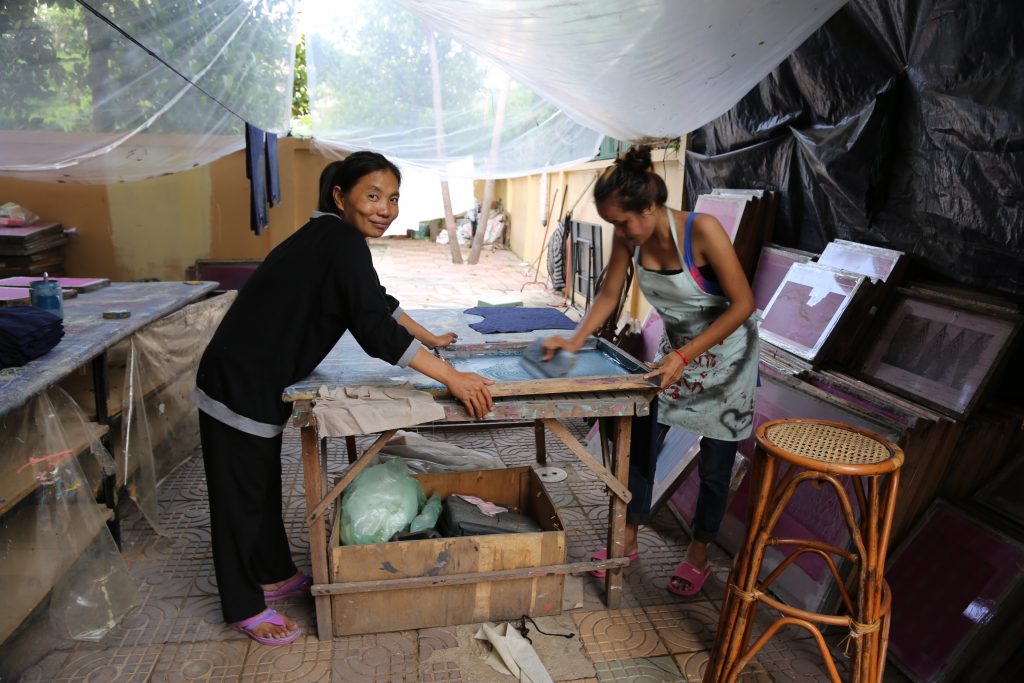
We visited Cambodia’s first zero-waste brand Tonlé to experience the power of fashion as a force for good. Tonlé provides at-risk women with a living wage, health care and good working hours, while also being good for our planet.
“From the moment we stepped inside the gate you could feel it, it was such a special place. There were a group of women at tables in the front yard knitting together, and they welcomed us warmly with smiles,” recounted Casey. “I spoke with Ny, a transgender male who is in charge of stock and shipping.”
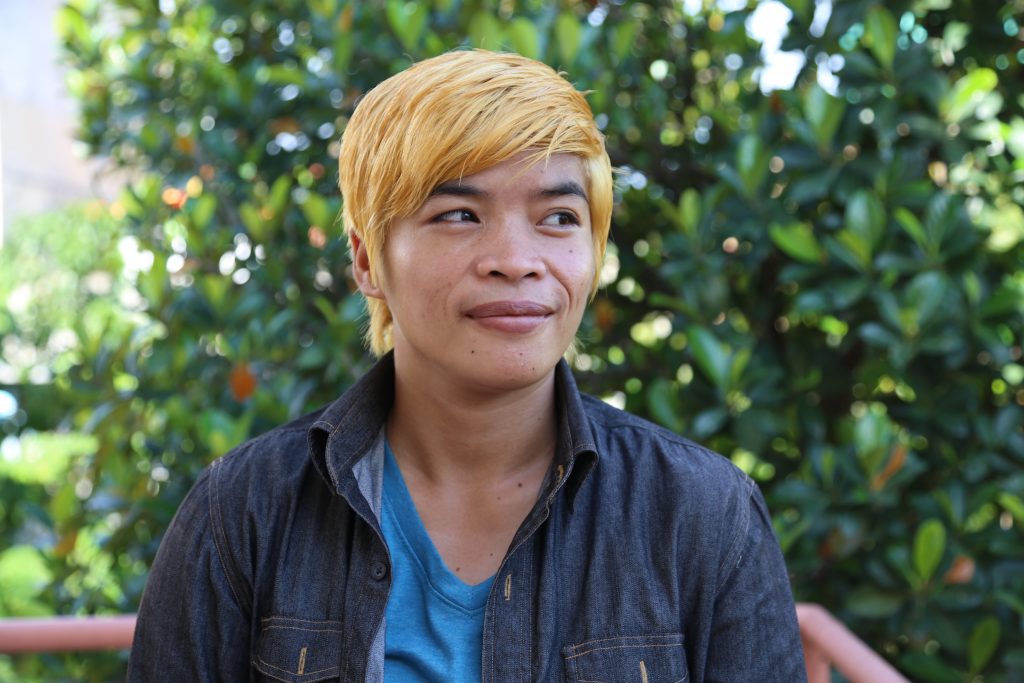
“I think about how the clothes we make go all over the world. I also think that the people who buy from Tonlé really care about us, the people who make them. Most of the makers in the clothing industry come from really poor places, and they work so hard to try to achieve better lives. I want there are more brands like ours so that there are more people who have jobs as good as mine.” – Ny
Day 2: 2,000 People Making Our Jeans
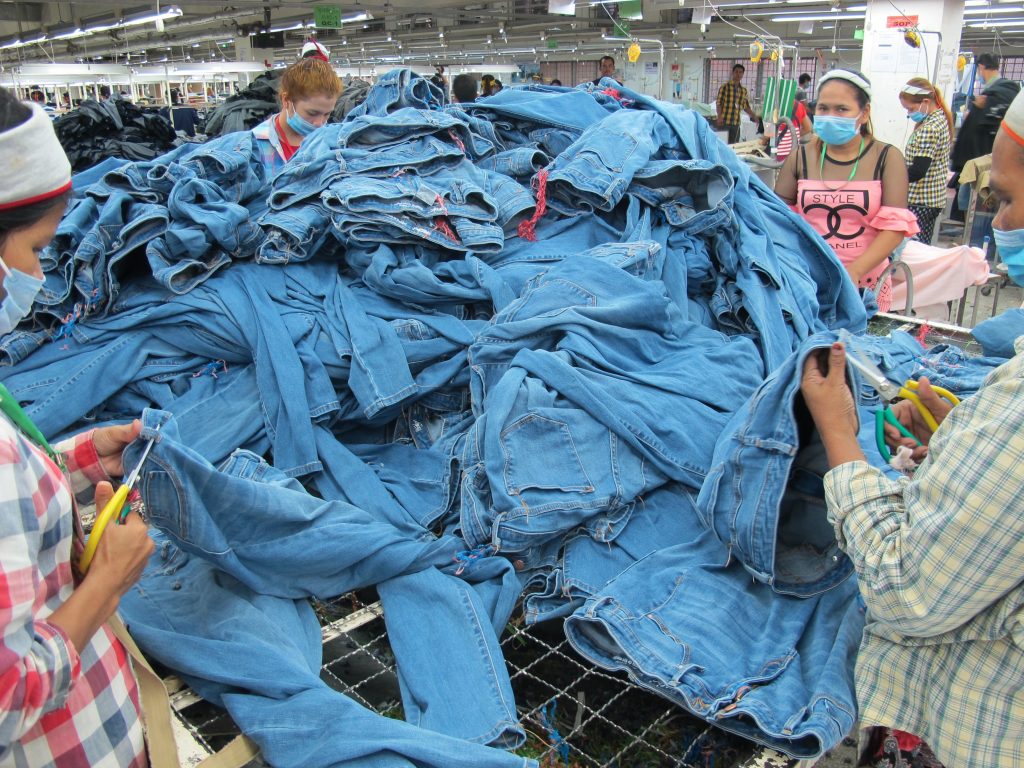
We traveled down a winding bumpy and dusty road to a denim factory on the outskirts of Phnom Penh where jeans are made for every imaginable brand: from JCPenney and Kohl’s to Simply Vera by Vera Wang and J Lo.
Walking down the assembly line, you see hundreds upon hundreds of women, heads down doing fast repetitive motions, backs crunched just like ours over laptops. The sheer volume of stuff, and noise from the machines was overwhelming. All in our quest for cheap jeans.
The denim distressing unit was especially eye-opening.
“All the cuts, wear marks and washes are done by human hands, and these tasks are clearly physically demanding and even dangerous, from all the spraying of harsh chemicals. As soon as our tour ended my brain was overwhelmed with what I had just seen; how could one pair of jeans sell for $20 and have had so many hands work to produce them; the math behind where the money goes does not scream fair at all.” – Casey
That evening one of the denim makers invited us to her home for dinner in a nearby slum. We traveled in the open air truck with her, where passengers need to balance sitting on both ends to ensure the truck did not topple over. Makers in Cambodia have lost their lives in trucks just like this one, which thousands use to get to work everyday.
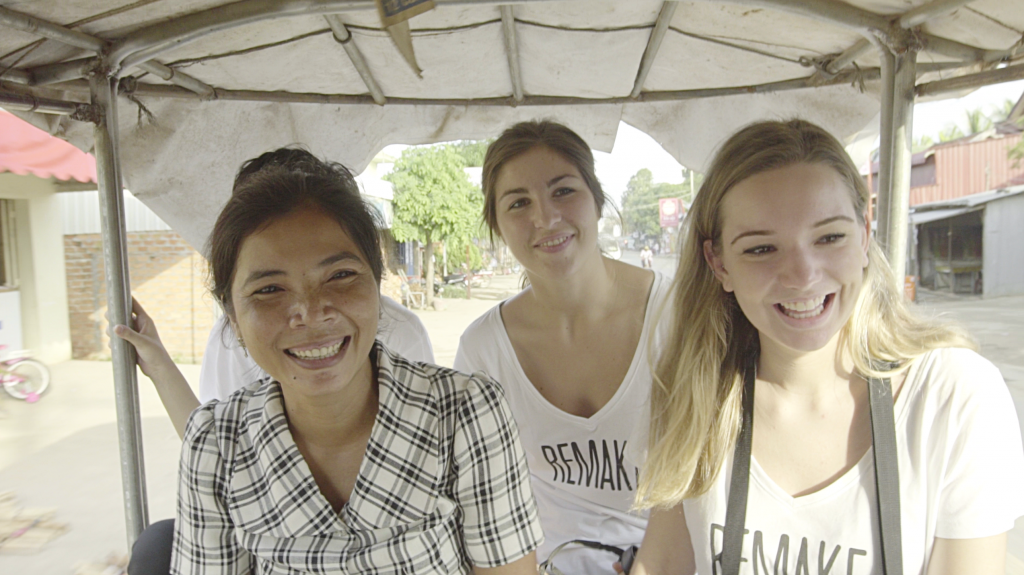
“I started working when I was 15. Since then I’ve worked at several different factories. My husband is sick, so my $140 a month salary support’s my whole family. I work at the factory all day and then work a second job as a tailor at night. I want my daughters to learn English and go to a school like Parsons. I’ve actually seen New York on TV and maybe someday I can come visit. I want young designers to know about my life. I have suffered but I feel stronger having met my sisters from NYC.” – Sreyneang
Sreyneang’s home was no bigger than two dining tables pulled together, the floor just dirt and the roof sheet metal. Her husband, children and neighbors all crowded in to meet us. Her home may have been small but her heart was huge. When we sat down to eat together, she kept offering us bottled water she had bought for us and took only two spoonfuls of rice. Insisting that we, her neighbors and even the stray dog and cat that stopped by had something to eat first.
“A truly inspiring, loving, and kind soul, I haven’t stopped thinking about her and I don’t think I ever will.” – Casey
Day 3: Sub-Contracted Factories, The Most Invisible People
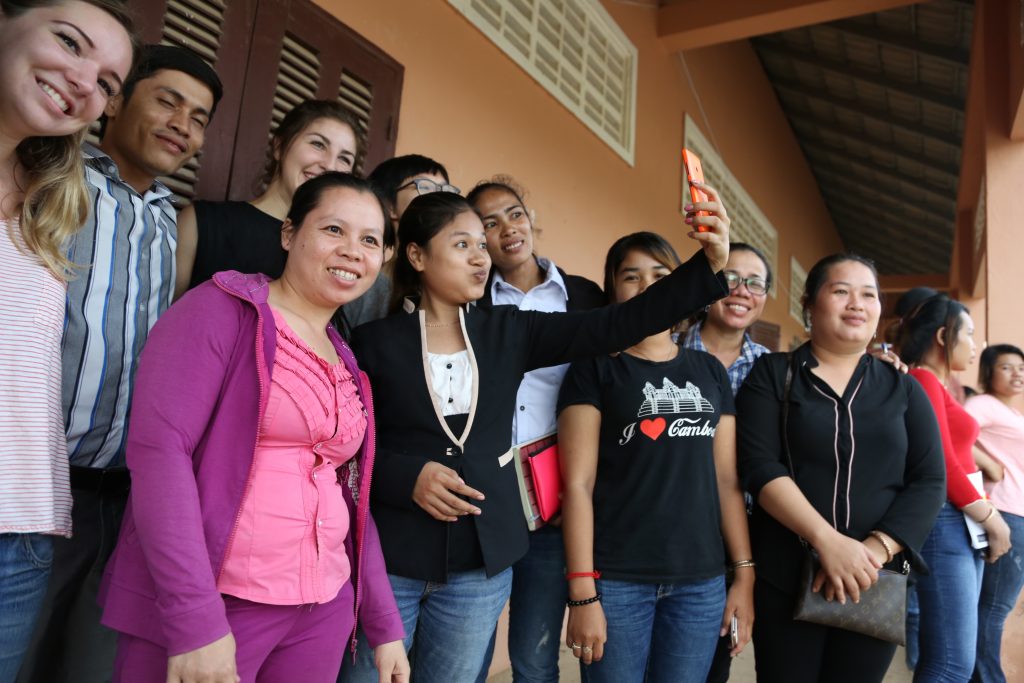
Few things are more powerful than a room full of women who have something to say. We traveled 2 hours outside of Phnom Penh along dirt roads to a small school in the middle of rice fields, one of the few safe places makers are able to unite to talk about their rights without the police breaking up the meeting.
This gathering was hosted by Solidarity Center, to help makers fight for their rights. We learned that when big factories agree to cheap prices and tight deadlines, they often can’t meet these demands. So they ship orders off to fly by night operations–dark, dingy subcontracted factories where the conditions are the worst.
The women we met had sneaked out labels from the brands they illegally sew for including Zara, H&M and Tommy Hilfiger. It was dangerous for them to sneak these photos and labels out but they did it anyway, in the hope that we and you as readers would help them, to ask these brands pressing questions about why they worked such long hours for so little.
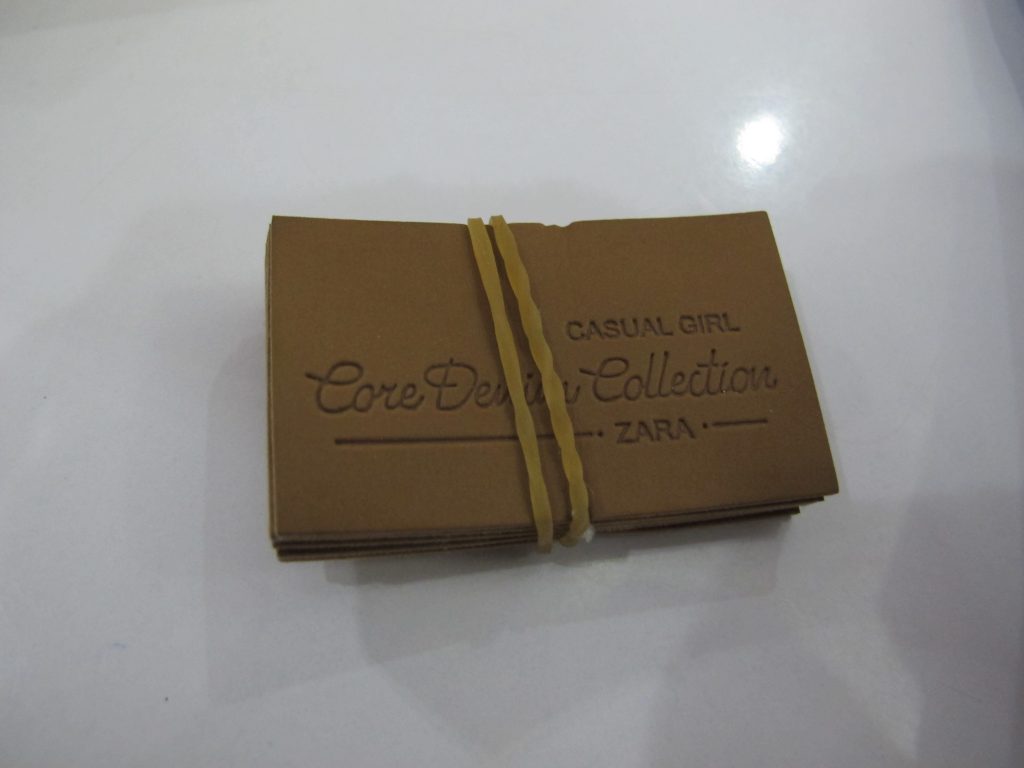
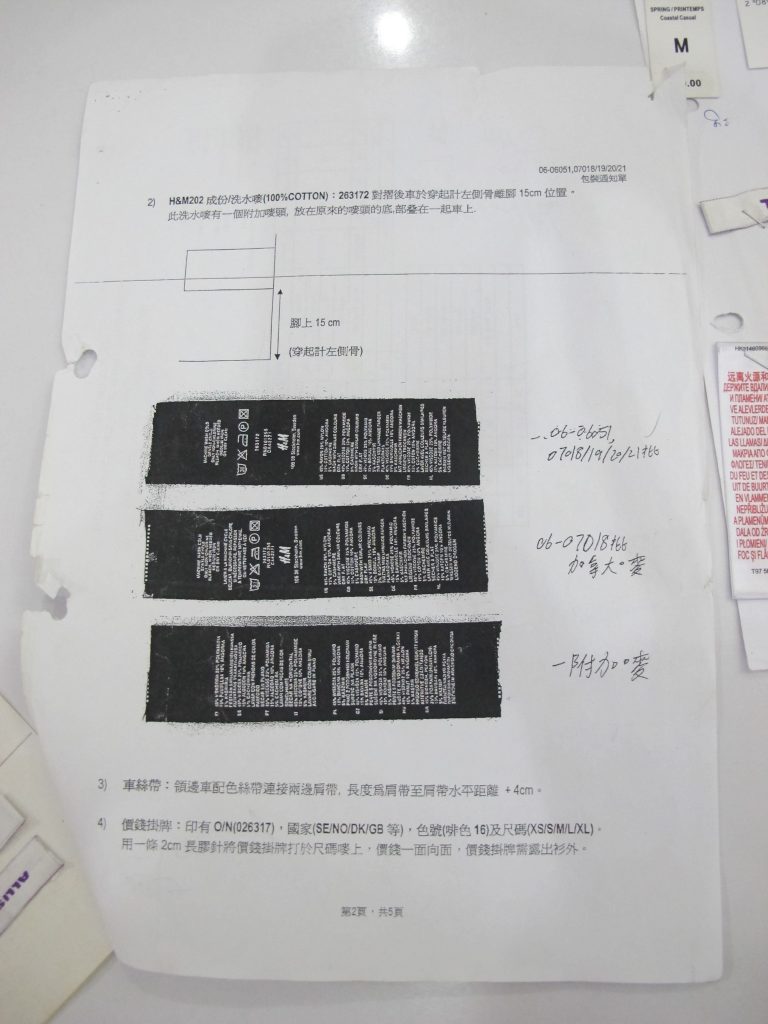
Some of these women made less than a $100 a month despite working all day long. Others noted that they were forced to take pregnancy tests and if it was positive, they were fired.
We learned that some factories pop-up during holiday rushes, then shut down to avoid paying the makers anything once the order is filled. Some of these women had been sleeping outside factories to get their back wages to afford food and rent. One of Solidarity Center’s incredible staff leaders Somalay, said to us,
“We will never stop. We will fight.”
She cares and risks her life, because she’s been there, she used to be a garment maker herself.
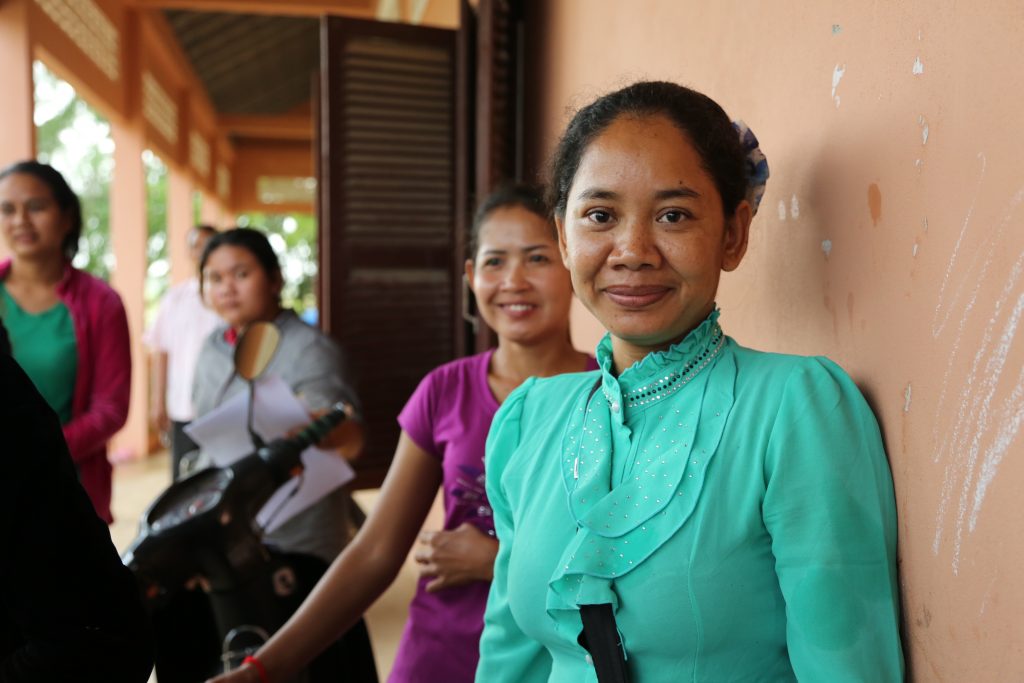
“I wanted a better life for myself and my family so I took this work at a subcontracted factory. But life has become harder. I get paid per 12 pieces, but if there’s even one single error in the batch, I don’t get paid at all. I used to make a new design every 2-3 months. Now, it’s two to three new designs per month. The designs are more complicated but we get no training. It’s harder to meet the quota. Sometimes I cry because I fear I won’t meet the quota and get paid. I hope you will help me and my colleagues by spreading our stories to the world. You being here, listening, makes me hopeful.” – Wong Char
“I definitely felt a lot of girl power throughout the day, both from our own all female crew and the makers we met. These women are not playing victims, but fighting for their rights and educating themselves on their rights. Some of the makers dressed up in professional attire, including blazers and heels and every person had a pen and paper they were furiously taking notes with. Speaking with Wong Char, I realized that the hopes she has are fundamentally no different from mine–for a fulfilling life.” – Allie
Journey #5 ended with see-you-laters, not goodbyes. Our designers and makers became friends on Facebook WhatsApp and promised as sisters to keep in touch and fight together to make fashion a force for good.
It takes 100 pairs of hands to bring each of our clothes to life. Next time you go shopping, we hope you think of Ny, Sreyneang and Wong Char and their dedication to our fashion.
We hope you join our movement and buy better from brands like Tonlé. Together we can #remakeourworld

This website was created and maintained with the financial support of the European Union. Its contents are the sole responsibility of Fashion Revolution and do not necessarily reflect the views of the European Union.