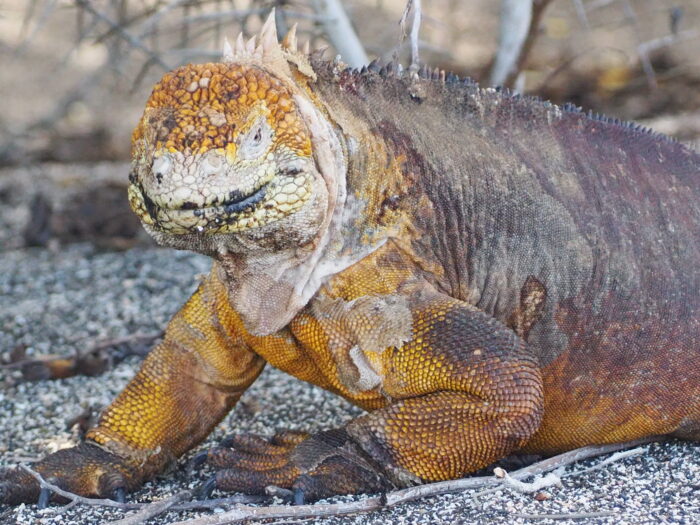
Tomorrow I will be joining eXXpedition to sail some 2000 nautical miles from the Galapagos to Easter Island as part of an all-female Round the World voyage to gather the first global dataset of microplastic and microfibre pollution. From Ecuador to Chile passing by Peru and Bolivia, we are sailing past the cultures and communities I studied for my MA in Native American Studies, and subsequently worked with for over 20 years with my brand Pachacuti.
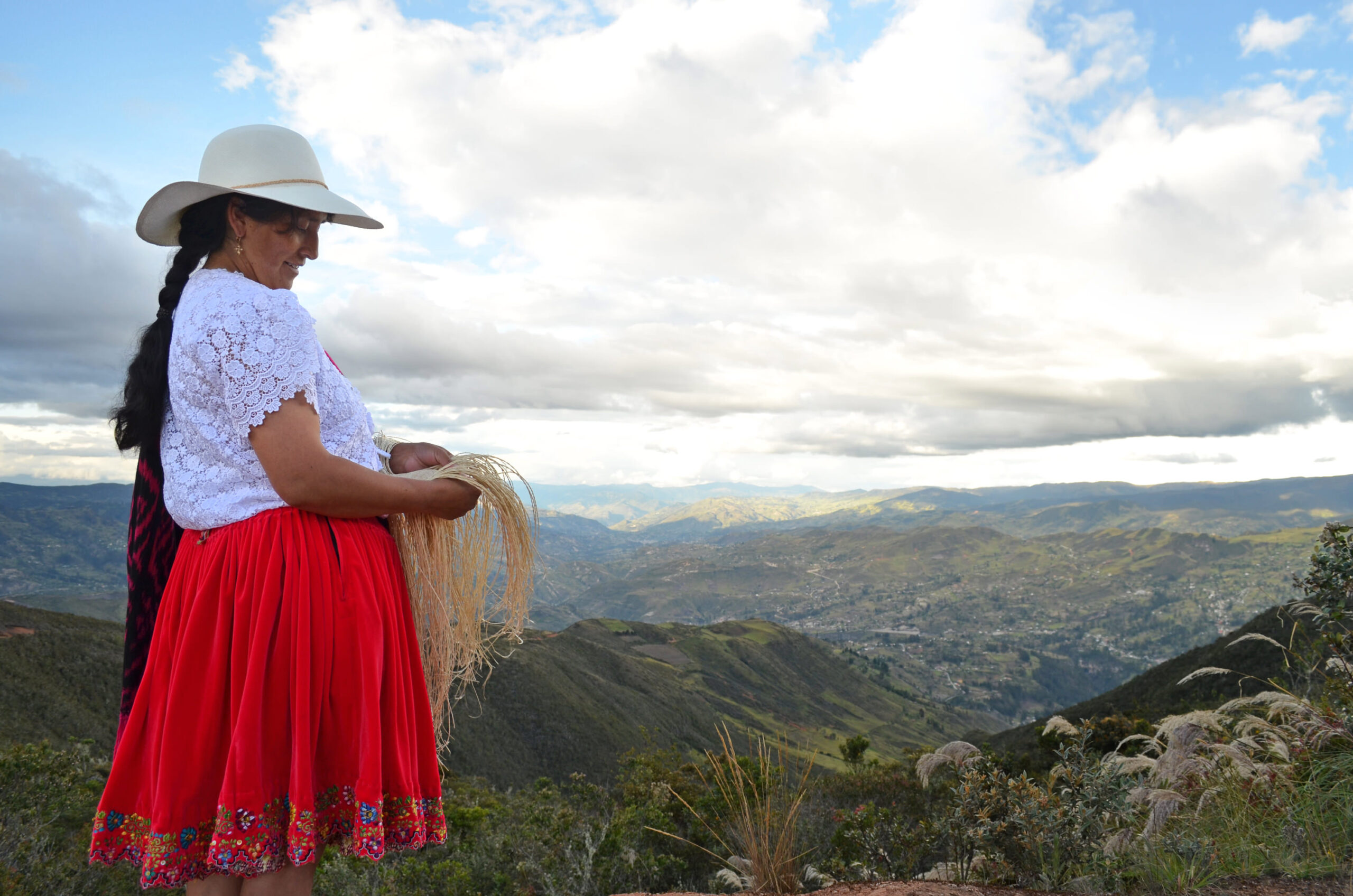
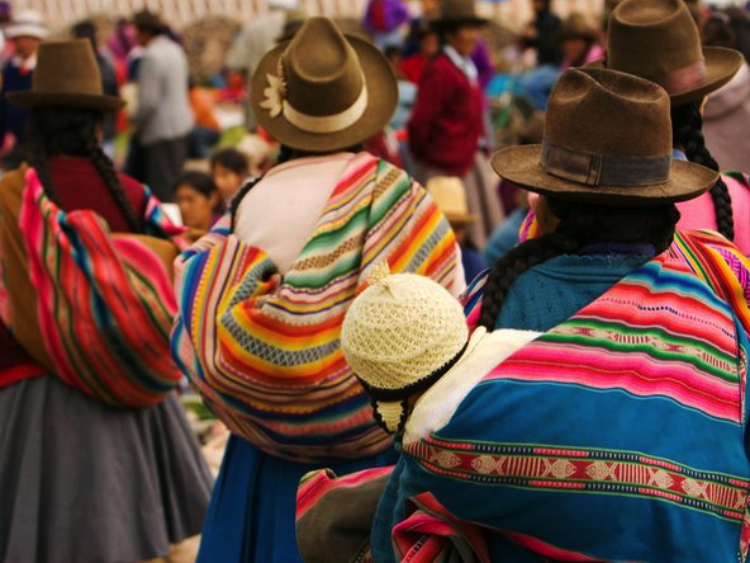
The Andes mountains run down the spine of the Pacific coast of South America. Andean philosophy sees all individuals as being part of a community, an ayllu. Humans are not separated from the natural world; they are two parts of a whole, each dependent on the other and giving to the other through a reciprocal relationship which sustains the community. The ayllu does not have fixed physical borders but is formed from the complex interlinking of relationships and an understanding of the fundamental interconnectedness of my interests, your interests and the interests of plants and animals. The ayllu is a place of nurture and regeneration and is seen as the basic cell of life. People, plants, animals and the earth itself nurture and are nurtured in a symbiotic relationship.
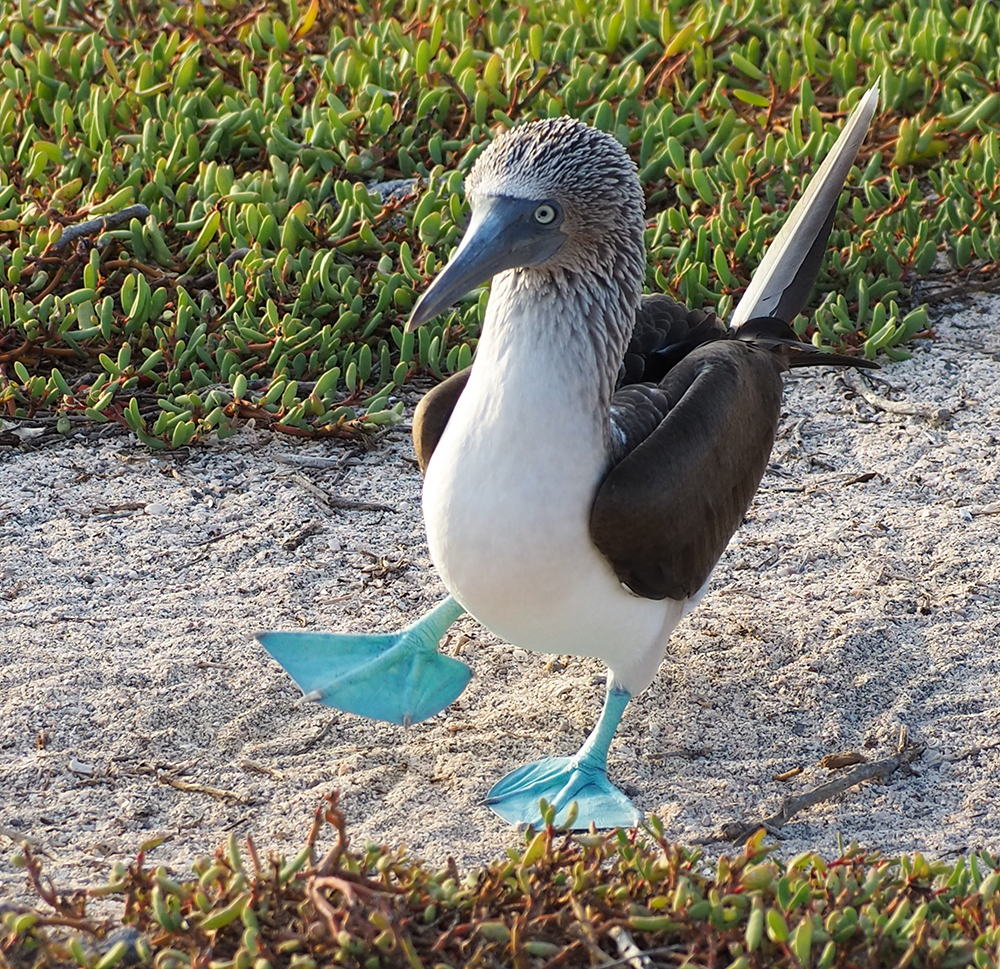
In indigenous cultures around the world, and particularly within indigenous cultures in the Americas, it is common that nature speaks. Ecuador has drawn from its indigenous past and became the first country in the world to legally recognise the rights of nature in 2008. It has given nature back its voice.
Last week I talked to Zapotec textile artist and weaver Porfirio Gutierrez from Teotitlán del Valle, Oaxaca, who explained that in his culture’s traditional philosophies, the plants are just like us. His parents would take him up into the mountains to collect plants for dyes and his father would talk to him about how they needed to have respect for the plants and trees because they are alive, just like us, and no life is more important than the other. “These days when everything is fast, everything is chemical, everything is plastic, we are forgetting the principles of being a human being, the slow way of living, the growing of food, making a textile. To me it is really important to create a conversation around that and educate people, and re-educate people”.
As I worked on the research for this year’s Fashion Transparency Index, I saw company report after report, referring to the preservation of natural resources, but even in attaching the word resources to nature we are effectively commodifying the planet, protecting it to support ever-increasing productivity. When studying Quechua, I learnt that there is no word for possession in the language. You cannot say ‘I have’. Everything you have or possess – not just goods and resources but also power and authority – are instead either with you, or not with you, meaning you are the steward, not the owner. This way of thinking changes everything.
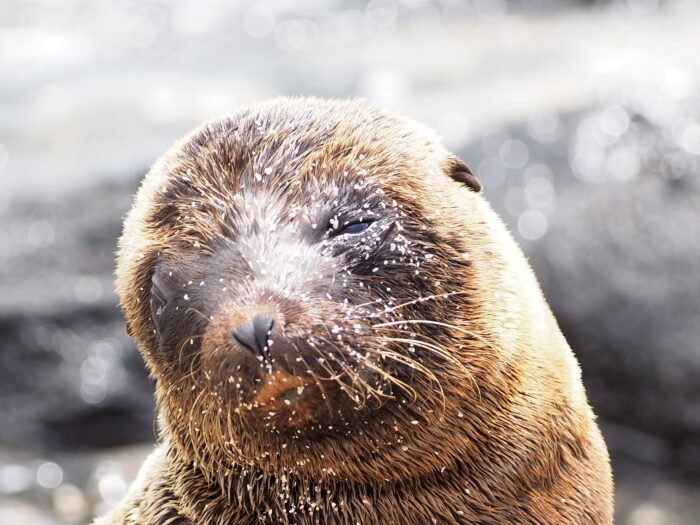
Our challenge this decade is to move beyond our currently destructive Western worldview which is tipping us into a climate crisis and a plastic pollution catastrophe, towards a fashion industry which integrates nature in a truly sustainable way. We need our legislators to learn from the law passed in Ecuador and restore a voice to the oceans, earth and all that live in and on them. We need brands and retailers to move from competitiveness to collaboration and from the commodification of natural resources to working alongside nature in all her diversity in a way that is respectful, renewable and regenerative. We need them to look at longer lasting value systems than profit, prioritising instead the protection of our ecosystems and the wellbeing of our communities. And as citizens who have lost touch with the reality of living in mutual nurture and interdependence with the natural world, we need to rebuild our connections with how our textiles and clothes are made, the slow way, in balance with plants, animals, earth and water.
I believe that transhistorical community value systems can present a powerful counterpoint to the logic of generating profit now and help us to once again rediscover the spirit of the ayllu.
Moral. It’s not a word we use very often, especially when we talk about fashion. Fashion comes with many adjectives attached: fabulous, iconic, elegant, sumptuous, dashing, nostalgic, effortless… but moral is rarely one of them.
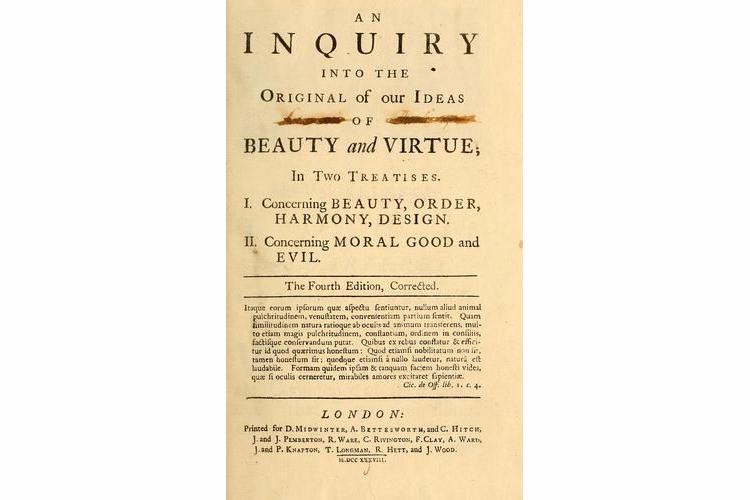
In 1725, Rev Francis Hutcheson wrote An Inquiry into the Original of our Ideas of Beauty and Virtue. In his opinion, an outward perception of beauty was impossible without an inner sense of beauty as well. He called this as a ‘moral sense of beauty’ and, importantly, he understood it as something which could be altered by information and reasoning.
In the mid 18th Century, the first examples of fashion press appeared in Paris with publications like Le Journal de la mode et du Goût. This was the start of the connection between fashion and taste, fashion and ideals, fashion and individualism. It was also the beginning of our moral disengagement as community values gave rise to individual values. The fashionable young women portrayed on its pages embodied the rise of consumer culture.

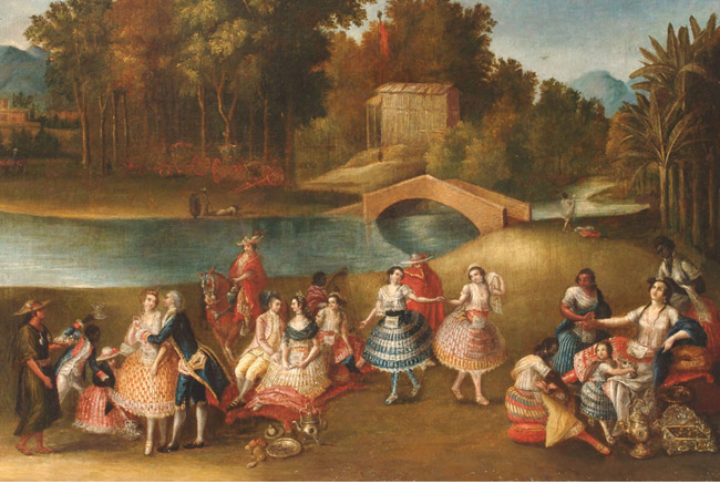
This desire for new clothes was not confined to 18th century Europe. In Latin America, clothing was recognised as a symbol of social status and prestige and was manipulated by the marginal sectors of society in order to become more socially, economically, politically and culturally reconised.
An overwhelmed husband wrote to the Mercurio Peruano in 1791 setting out the precarious financial situation in which he found himself as a result of his wife’s fashion taste. He protested her need to have a different dress for every social occasion. Whilst his wife had garnered admiration from society in Lima, the husband was unable to pay his debts. For the wife mentioned in the letter, clothing had become a vehicle to make herself visible in a male-dominated society, expressing her status and social freedom.
Our desire for fashion has certainly not diminished in the ensuing 200 years. What has changed, however, is our proximity to, and awareness of, the impact of our purchases.
In the 19th Century, a sweater was an employer or middleman who abused his workers with monotonous work, unhealthy or unsafe conditions and poverty-level wages. The desire of manufacturers to pay the lowest possible wage, coupled with a huge number of rural poor and immigrants looking for work in Britain and the US, produced a climate ripe for the exploitation of workers and the establishment of the first sweatshops. Sweating came to describe work which lacked respect for the human factor. A House of Lords Select Committee on the Sweating System was established in 1889 which publicly exposed the poor conditions in which garment workers toiled. Debate over the morality of production led to unionisation and concerned consumers called for reform. For a while, things got better.
The 20th Century saw waves of trade liberalisation policies starting after World War II, resulting in the offshoring and outsourcing of production to Asia and Latin America. With the relocation of manufacturing came the abrogation of responsibility. It has been endlessly debated whether brands and retailers are morally and legally responsible for their workers overseas.
It has also been questioned whether the fashion consumer in the West is morally responsible for the poor working conditions and unsafe working practices in factories in developing countries. Many of us suspect that the clothes we wear have been made in a sweatshop. Does this affect our moral responsibility? In his book Profits and Principles: Global Capitalism and Human Rights in China, Michael A Santoro argues that ‘consumers are a very big part of the web of moral responsibility for human rights. Ultimately it is consumers who wear the shoes and clothes manufactured in sweatshops… What is needed is a real partnership between companies and consumers, based on a very simple moral compact. Companies must agree to manufacture products in compliance with human rights codes and consumers must agree to place monetary value on such compliance. Both sides of the compact are necessary to safeguard human rights’. In other words, equity for all must become a universal standard and we all bear responsibility for ensuring this happens.
My relative Dyddgu Hamilton (pronounced Dithky) was a close friend of Hilaire Belloc and his wife Elodie. Dyddgu became Belloc’s secretary and subsequently his lifetime correspondent – there are hundreds of letters between them.
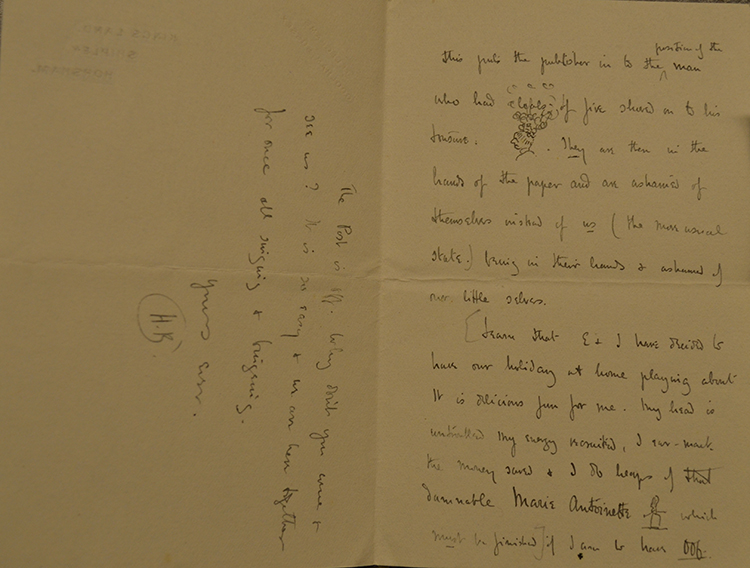
I’ve been a voracious Belloc reader for many years – he was a prolific writer with well over 100 published books. I recently came across this quote he wrote in the Sahara, and it struck me that the description of the barbarian could so easily apply to the fast-fashion addict who takes no responsibility and gives no thought to their expanding wardrobe.
‘The Barbarian hopes – and that is the mark of him, that he can have his cake and eat it too. He will consume what civilization has slowly produced after generations of selection and effort, but he will not be at pains to replace such goods, nor indeed has he a comprehension of the virtue that has brought them into being…. We sit by and watch the barbarian…We are tickled by his irreverence ..we laugh. But as we laugh we are watched by large and awful faces from beyond, and on these faces there are no smiles.’
Returning to Frances Hutcheson’s philosophy of beauty, his views are reflected in the worldview of indigenous peoples in the Andes where something which is beautiful is typically something which is well-balanced, something ayni. Everything in the Inca world was based on ayni, a system of exchange based on mutual respect and justice with other communities and cultures throughout their vast empire. Ayni has survived the conquest and capitalism and is still widely practised today. Beauty is about balance, and what is sustainability if not finding a balance between the desires of our generation and the needs of the next?
Before we can rediscover a ‘moral sense of beauty’ on falling in love with a new dress, we need to know that there is equity behind its beauty. To know that there is equity, we need transparency. We cannot hold the many stakeholders in the fashion supply chain to account until we can see them, and we cannot start to tackle exploitation until we can see it. That’s why Fashion Revolution is asking the question #whomademyclothes. We want to know that the clothes we buy are beautiful in every way.

This website was created and maintained with the financial support of the European Union. Its contents are the sole responsibility of Fashion Revolution and do not necessarily reflect the views of the European Union.