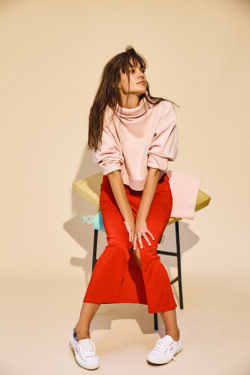
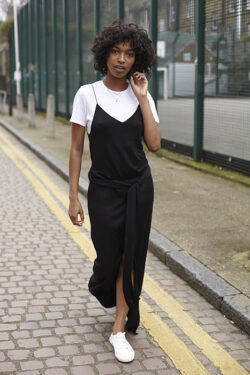
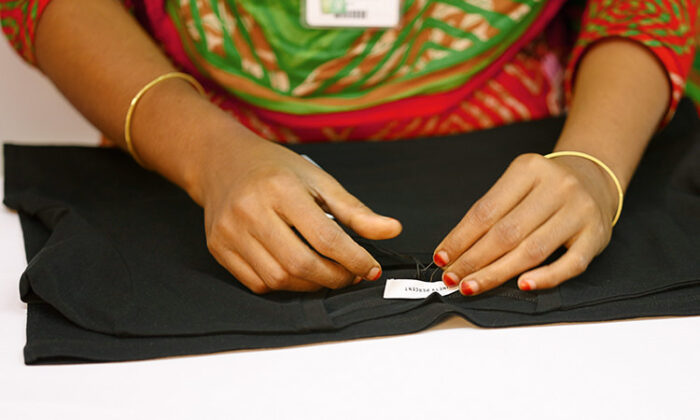
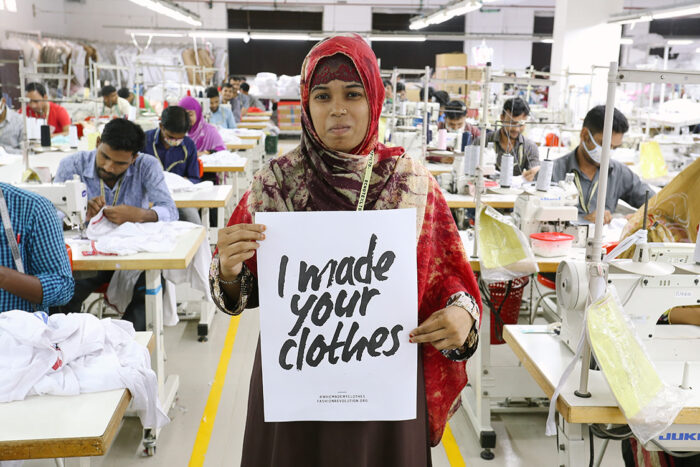
In her own words Nisha is honest, hard working and devoted. Nisha is a 28 year old mother of one. She is also a sewing machine operator at the Echotex manufacturing facility in Dhaka, Bangladesh. 6 months in into her role, the biggest challenge she’s faced is picking up the necessary skills to meet the quality standards required to produce the first NINETY PERCENT collection of premium basics. Every working morning, she says goodbye to her 5 year old son and leaves her home in Shafipur, Gazipur district to catch the rikshaw to Dhaka and make your clothes.
Greatest Achievement:
Being a kind mother to my five year old son is my greatest achievement. It’s hard to find the words to express my love for my boy but I feel heaven’s peace when he runs into my arms for a hug. It makes me so proud to see my tiny boy keep himself neat and tidy and behave well around friends and neighbours.
Work highlight so far:
Completing NINETY PERCENT collection 1 is my greatest career achievement. It was a big challenge for me to make sure the finish was first class. NINETY PERCENT is exclusive product so I had to work hard to assure the quality. I learned a lot making collection 1 and I hope these skills will serve me well in future.
Best memory:
Catching fish as a child. I fished a pond near home in my native village of Bishnupur in the Gaibandha District. The best time to fish was late autumn when the water level was down and it was easier. All the boys and girls fished together then our mothers’ cooked the fresh fish for us.
Favorite place:
Cox’s Bazar – it’s the world’s largest natural sea beach. It’s an amazing feeling by the sea with the breeze and the sand. I’ve never seen any other beaches but I’m sure Cox’s Bazar is the best. Last winter the whole family went there, all the hotels and motels there are world class for all types of foreign and local tourists.
Best life advice?
My parents advised me to always be truthful. I’ve followed this advice at every stage of my life. Wherever I have been or done I have always been truthful. Actually, I think that’s my greatest achievement. It’s advice I passed on to my child – I think that’s why he is so well behaved.
The one thing you can’t live without?
My husband is my life partner – our marriage was arranged by our families. His name is Ashraful Alam and we’ve been living for 10 years. He feels my happiness and pain and tries to help me solve problems. We have a deep understanding of each other – our eyes can read each other’s hearts. My man is wonderful. He always takes care of me and shares what he thinks.
Where do you see yourself in 5 years?
In five years time I wish to be a team-leader. First of all I want to be the best most efficient employee I can – this will see me rise. My supervisor Mr. Azizul’s motivates me and boosts my self confidence. My first day in the job was a mixture of sadness, fear and happiness. I was sad because I thought I would be busy with no more free time to do what I wish. I felt fear because I didn’t know the job or the environment. I felt happy thinking about the money I would earn. Now I wake up in the early morning to complete my family tasks then say bye to my boy and leave for work. When I’m there, I complete my tasks, then return home at 5.30 pm to focus on my family again.
When are you happiest?
I become happiest outside of work when I’m with my family. We spend our time laughing, gossiping and doing lots of things. I love to play chess with my husband and cook – especially mutton curry. Before we go to sleep we always have cup of tea together at the end of the day. Making the tea for everyone is a special moment for me.
Sheepskins and Knitting Yarn in the Outer Hebrides, Scotland.

The shipping forecast issued by the Met office at 11:30 UTC on Friday 27 January 2017. Northwest Hebrides, Bailey – Southeasterly 6 to gale 8, becoming cyclonic gale 8 to storm 10 then southwesterly 5 to 7 later. Very rough or high, becoming rough or very rough later. Rain then showers. Moderate or poor, becoming good.

January and February are always the toughest months in the Hebridean islands off the north-west of Scotland. For both humans and animals our resources and resilience are at their lowest point, the days are short and dark, the weather extreme and wild.
However, amongst all this there is still beauty and special moments of fiery sunrises, otter tracks to the shore and soaring golden eagles.

In 2015, I tentatively started The Birlinn Yarn Company from our family croft (small holding) at Sunhill on the small Hedridean island of Berneray in the Sound of Harris. We have lived here for the past twenty years, worked, renovated two properties and brought up two sons. We now produce deep luxurious sheepskins and a range of knitting yarn from our own fleeces and those we buy from neighbouring crofters.

Hebridean sheep, dark fleeced and horned, were originally brought here by the Vikings in their long boats around 800 A.D. Overtime the long boats, built for long distance sea voyages were adapted for inter-island travel and became the Hebridean galley or Birlinn. Hence the brand name Birlinn Yarn, what’s more they are still ‘seafaring sheep’ as we take them to and fro from the islands by boat.

Supporting and maintaining traditional crofting (small scale agricultural) practice, which has maintained equilibrium and respect for the ecology for hundreds of years, is very import to our business ethos. We use seaweed to fertilise our crops, keep stock to low intensive levels and every activity or action is measured against the impact to the environment.
Our agricultural activities are set mainly by the rhythms of the weather and seasons. Our sheep lamb on the croft, then once the lambs are strong enough we take them all to the islands for summer grazing. Here they graze on a wide variety of plants, including seaweed, a bit like trying to attain our 5/day fruit and veg – resulting in a good healthy diet.
In July, we return to shear all the sheep on the islands. We choose a good forecast, wait for a crowd of cousins to come up on holiday to help out and it always turns out to be a long, hard but very enjoyable day.

In the autumn the ewes are brought back to the croft to meet their boyfriend (the tup) and then they spend the winter months grazing on the machair (raised beach) to the West of the island. And so the cycle continues …
Amongst many other activities, I am also a practicing visual artist http://www.megrodger.com with an exhibition currently showing at Taigh Chearsbhagh Museum & Art Gallery in Lochmaddy, North Uist. While my current fascination is working with the wind to generate drawings, I am always taking note of the wonderful range of colours we have in the Hebrides.
Thus, just this week, I have launched a new organically dyed knitting yarn range reflecting the subtle tones and shades of the Hebrides. Our ecosystems here are as much Highland as Island given that our habitats range from moor, to machair, shore and sea. In relatively short distances, you can encounter gliding golden eagles, wild orchids, playful otters and roaring Atlantic breakers on the shore.

This range of organic dyed yarns have been produced as a unique and small batch to complement out natural yarns. By over-dying a blended yarn this has given the colours both texture and depth. The yarns come in four colours: Sgeir – Reef, Còinneach – Moss, Monadh – Moor and Duileasg.

What next? Well, I hope this year to work with a knitwear designer who understands our ethos and brand to develop knitting patterns incorporating both the Norse and Hebridean heritage of our sheep and islands.
In the meantime, why not take a look at our website, be tempted and knit yourself a wee bit of the Scottish Hebrides.
http://www.birlinnyarn.co.uk
https://twitter.com/BirlinnYarn
https://www.facebook.com/BirlinnYarn/
KnowTheChain have launched a ranking of 20 large clothing and footwear companies on their efforts to eradicate forced labor and human trafficking from their supply chains. Their Apparel & Footwear Benchmark Findings Report found only a small group of companies seriously addresses exploitation. Most companies have systems in place to monitor and react to forced labour and human trafficking, but few companies address systemic causes.
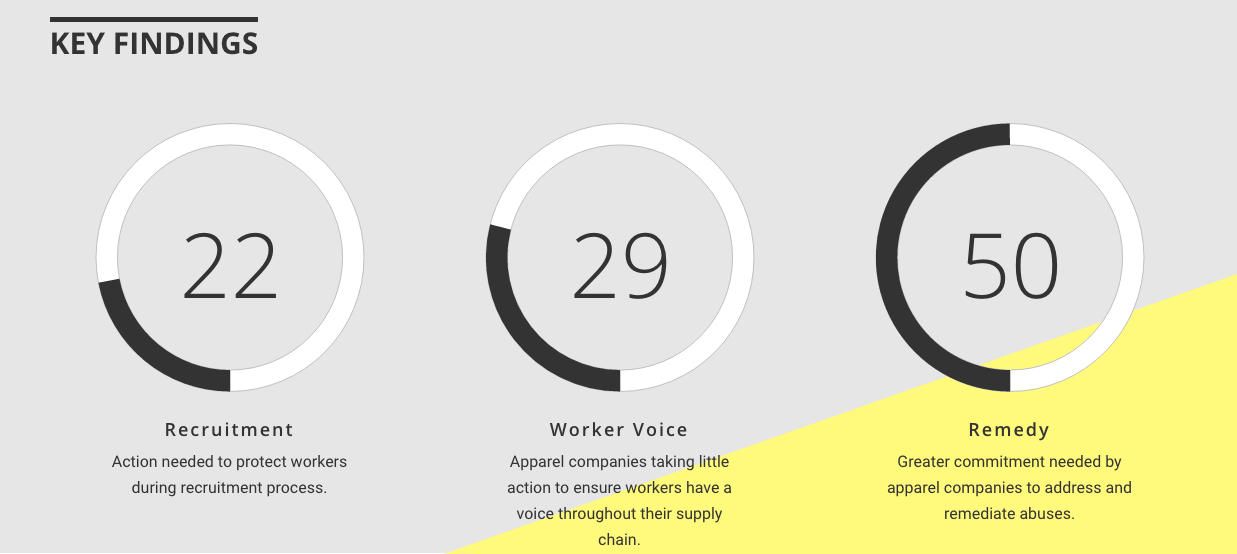
The four highest performing companies (Adidas, Gap, H&M and Lululemon) achieve scores above 60/100. Among the lowest performing companies are Hong Kong-based Belle International Holdings (0/100), Chinese clothing manufacturer Shenzhou International Group Holdings (1/100), and the luxury Italian fashion house, Prada (9/100). Across seven measurement areas, the average company score is 46 out of a possible 100. Overall, luxury brands including Hugo Boss, Kering (holding company of Alexander McQueen, Gucci, Stella McCartney and others) and Ralph Lauren score much lower than high street apparel retailers (such as H&M, Inditex or Primark), with none achieving an above average score.
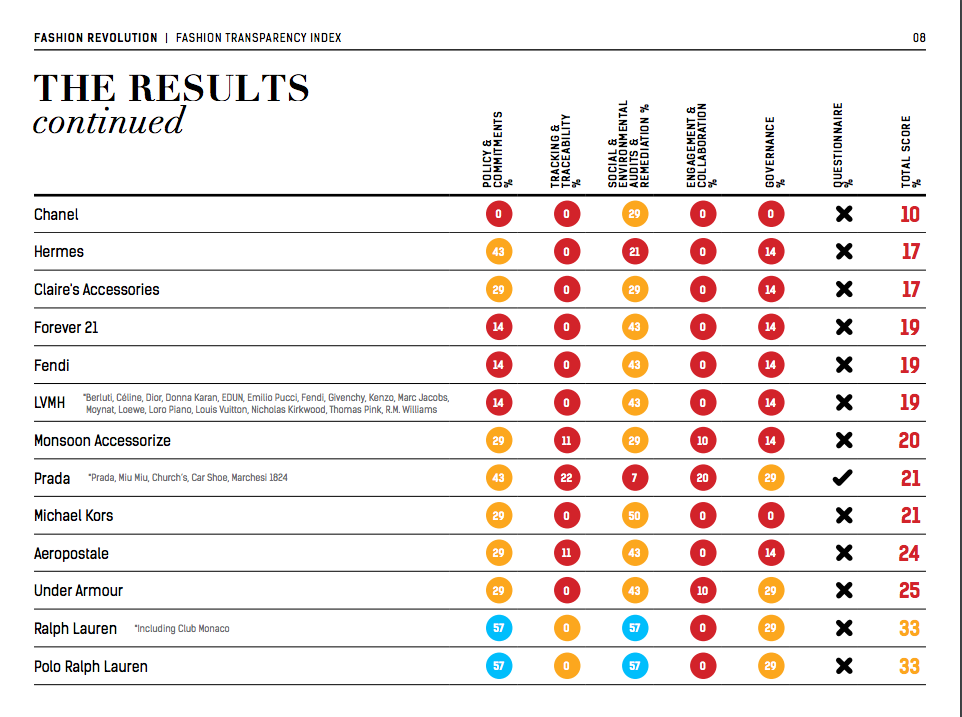
This echoes the findings of Fashion Revolution’s Fashion Transparency Index, published in April 2016, where Prada, Ralph Lauren and other luxury companies received some of the lowest scores.
Longstanding public awareness and pressure, spurred from incidents of child labour in the footwear sector in the 1990s and grave health and safety incidents in Bangladeshi factories in recent years, has resulted in companies putting in place supply chain monitoring systems. However, these have a strong focus on first tier suppliers, while workers tend to be at the greatest risk further down the supply chain. Adidas, which ranked highest in the benchmark (81 out of 100 points), works in partnership with its first tier suppliers to support training for second tier suppliers and subcontractors, as well as develops models to address risks of forced labour in its third tier supply chain.
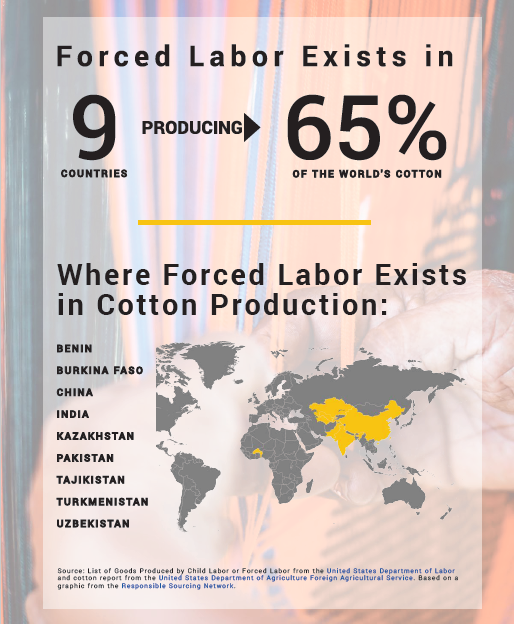
Forced labour in this sector occurs both at the raw materials level and during the manufacturing stages of apparel and footwear companies’ supply chains. The report finds that all companies benchmarked can improve in rolling out programmes that reach to all tiers of their supply chains. Companies are encouraged to promote direct hiring of workers where possible as well as to perform robust due diligence of third-party recruitment agencies. Companies are also encouraged to engage directly with supply chain workers outside the factory context, allowing companies to get a clearer picture of what is happening on the ground.
“Despite international and brand attention on worker issues for more than twenty years, many retailers haven’t addressed the deep seeded causes of worker abuse in their supply chains. Hopefully this benchmark will help them recognise that they need to do better by the people making their clothes and shoes,” said Killian Moote, director of KnowTheChain.
We can all put pressure on brands to address forced labour and other issues by asking the question #whomademyclothes as transparency is an essential first step towards improving conditions in the supply chain. Use the pledge at the bottom of Fashion Revolution’s home page to send a tweet to your favourite brand.
Fifteen minutes before the gray, 12-foot gate of the garment factory compound in Myanmar’s Hlaing Thar Yar industrial zone opens to release workers, vendors selling fried chicken on sticks and bags of nuts gather in anticipation. At a designated time, the guards roll back the gate and the vendors push their heavy carts up a steep hill and into the compound. If they hesitate, they are locked out as guards quickly close the gate behind them.
Minutes later, the gate is opened again, and workers rush down the hill to the dirt road, jostling for a place on the open transport trucks that will take them over rutted roads to packed apartments where they pay nearly a quarter of their wages to live. There, they can again access their mobile phones, which are prohibited from factory premises, where the heavy gate locks them behind steep walls from the start to the end of their daily shifts, six days a week.
The scene is repeated countless times across the vast industrial zone, where more than 700,000 workers toil, including 300,000 garment workers. Corporate brands from around the world source their clothes, shoes and other apparel to factories in Hlaing Thar Yar.
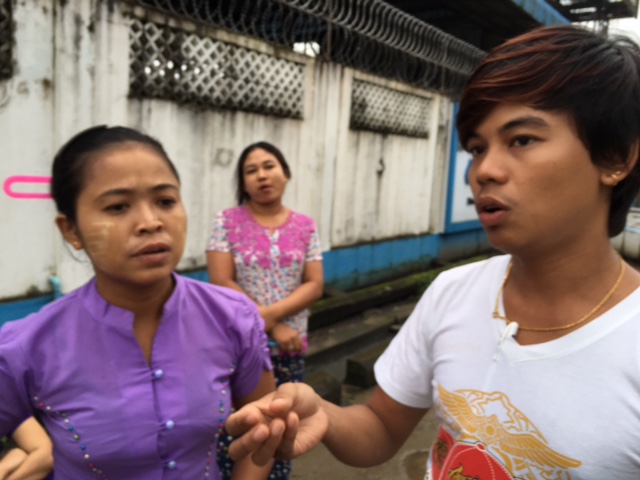
Most of the workers, like Lwin Lwin Mar, 34, migrated to Hlaing Thar Yar, 12 miles northwest of Yangon, from other areas in Myanmar. Lwin Lwin Mar came from Irrawaddy Delta in search of a job after the 2008 cyclone devastated the region. Aung Myint Myat, a co-worker of Lwin Lwin Mar from the Bago region, sends money back home to his relatives, as do many factory workers.
Both garment workers helped form a union at a 200-worker factory, standing up to massive employer resistance. Many workers were fired in 2015 for forming the union, but with the assistance of the Confederation of Trade Unions–Myanmar (CTUM), some workers returned to the job.
“The life of workers is very poor,” says Myo Zaw Oo, a CTUM organizer who helps garment workers form unions and helps solve their problems at the workplace. “Workers don’t know about their rights. They are very vulnerable,” he says, speaking through a translator.
Unions Seek to Ensure Labour Helps Shape the New Economy
Last year, Myanmar passed its first-ever law setting a minimum wage—$83 per month—yet employers do not always pay it. Nor do they follow the country’s minimal safety and health regulations or overtime laws, union activists say, making worker education a top priority for CTUM. Even the full minimum wage is not sufficient for workers to support themselves and their families, union leaders say.
After five decades of military dictatorship, political transformation has opened the country in the past few years, and union leaders have sought to ensure that workers are part of the process structuring the ensuing economic and cultural change.
Shortly after he returned to Myanmar in 2012 after nearly 30 years in exile, CTUM President U Maung Maung met with corporate leaders of international brands at a Washington, D.C., conference sponsored by the Solidarity Center and AFL-CIO. The meeting was part of a labor-backed process to ensure corporate accountability and respect for worker rights are embedded at the start of the foreign investment process in Myanmar.
“Labor needs to be involved from the start,” Maung Maung said at the conference. “I would rather have workers’ rights built in from the beginning rather than added on later.”
Helping Workers Form Unions Across Myanmar
Today, CTUM is spearheading union building at a rapid pace, with more than 60,000 workers forming unions since 2012, when Myanmar passed laws allowing the creation of unions. Factory-level union activists like Two Ko Ko, 32, are identified for leadership potential in CTUM, and invited to take part in training to build their skills.
Now an organizer with the Building, Woodworkers Federation–Myanmar, a CTUM affiliate, Two Ko Ko helps workers form unions at cement and plywood factories in Hmawbi, an hour north of Yangon, as well as at construction sites.
“Workers don’t understand that they have rights that are on the books,” he says. “Law enforcement is weak. Unions help make employers follow the laws.”
For instance, says U Lim Mg, union president of a 170-worker clay factory where workers formed a union in 2012, “the union is enforcing the 1951 Factory Act that governs hours and safety.”
The workers ground and mold clay to make floor and roof tiles and are exposed to heavy dust. But until they formed a union, the employer provided only flimsy paper masks. Now, they have proper protective equipment, says Two Ko Ko.
“I have seen much progress since the union has been at the workplace,” says Tin Tin Than, 43, who has worked as cleaner for 10 years at the clay factory. She says their collective bargaining agreement ensures the employer pays the minimum wage and provides transport to and from the factory.
Despite the many challenges, including strong employer resistance to unions and a broad lack of familiarity with fundamental worker rights, Myanmar union activists like Two Ko Ko are determined to help workers achieve decent wages, safe and healthy workplaces and respect at work.
“The best part of my job,” he says, “is when people recognize their rights and decide to form unions.”
By Tula Connell. Find out more at: http://www.solidaritycenter.org
We are the first factory brand to be making authentic premium quality jeans in London for at least the last fifty years. Perhaps the first ever to be making selvedge denim garments in London.
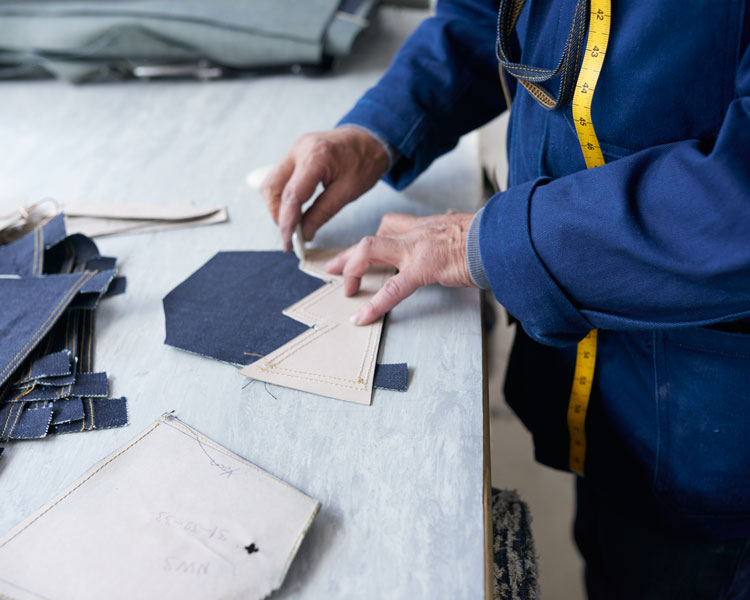
As a community focused enterprise, all factory employees and machinists are shareholders in the company. A place to observe and learn how jeans are created and to visit our allotment growing Japanese indigo to dye the garments.
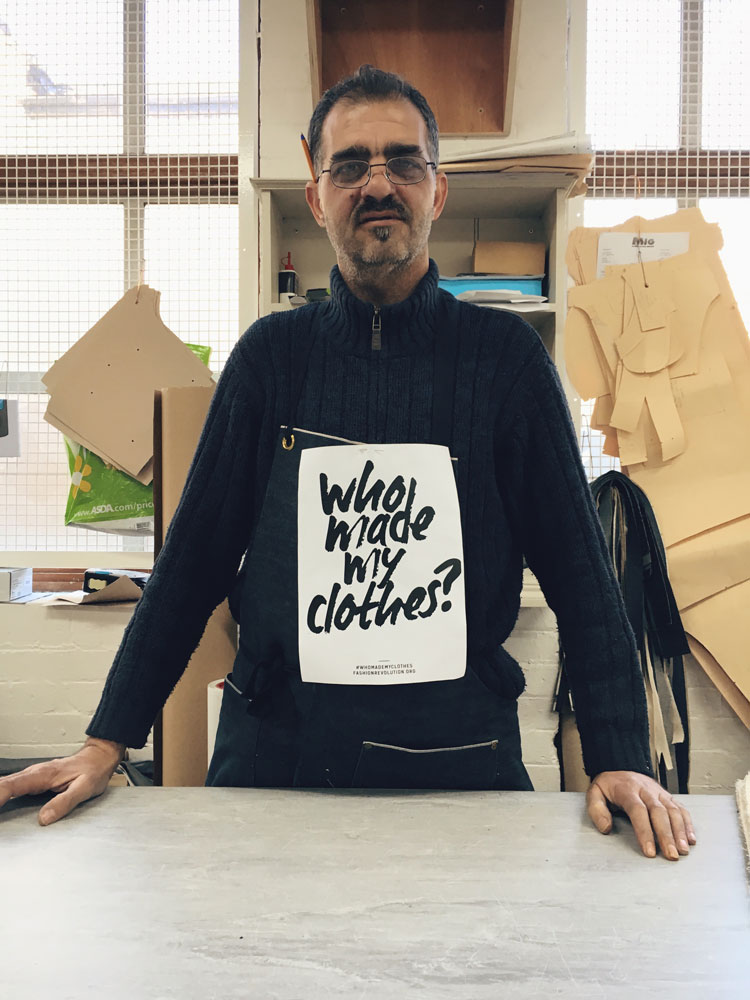
Name : Mr Husseyin
How long have you been in manufacturing? 40 years
How did you get into manufacturing ? Both my father and grandfather were tailors in Turkey for their whole lives and it influence me to do the same.
How does working here compare to other jobs in manufacturing? It is better than anywhere I have worked before.
What does working here mean to you? I have more opportunities and better life prospects.
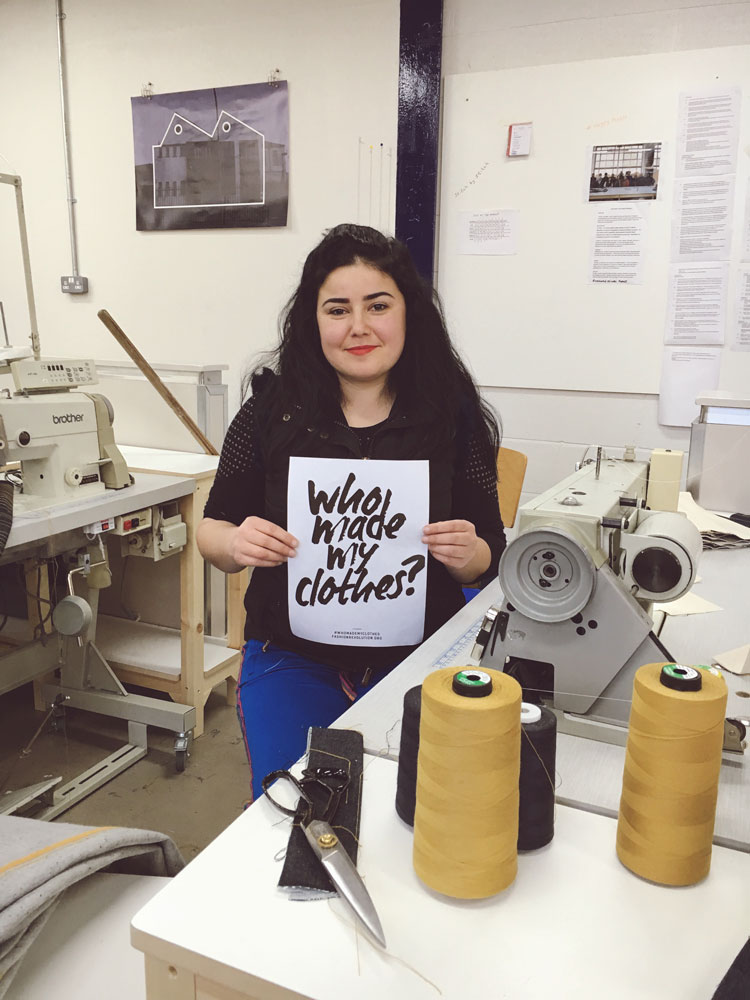
Name : Ms Emine
How long have you been in manufacturing? 10 years
How did you get into manufacturing ? I learned to sew In Bulgaria and have been sewing for 10 years now. I’ve lived in London for 4 or 5 years and I am very happy to use the skills I have here.
How does working here compare to other jobs in manufacturing? It is better than any other factory I have worked in. The space is much cleaner and bigger and a much nicer place to work.
What does working here mean to you? It means I can carry on using my skills to earn a good living to make a better life for myself.
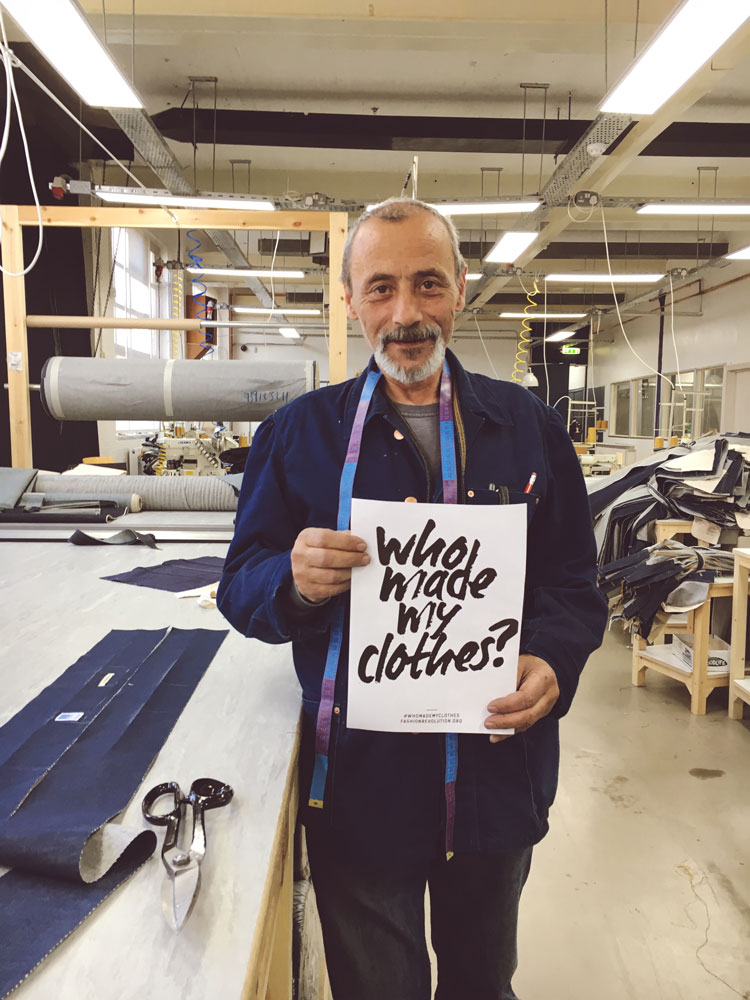
Name : Mr Kenan Habali
How long have you been in manufacturing? 40 years +
How did you get into manufacturing? It is the only thing I know and the thing I know best.
How does working here compare to other jobs in manufacturing? It is better than anywhere I have worked before.
What does working here mean to you? Bread Money
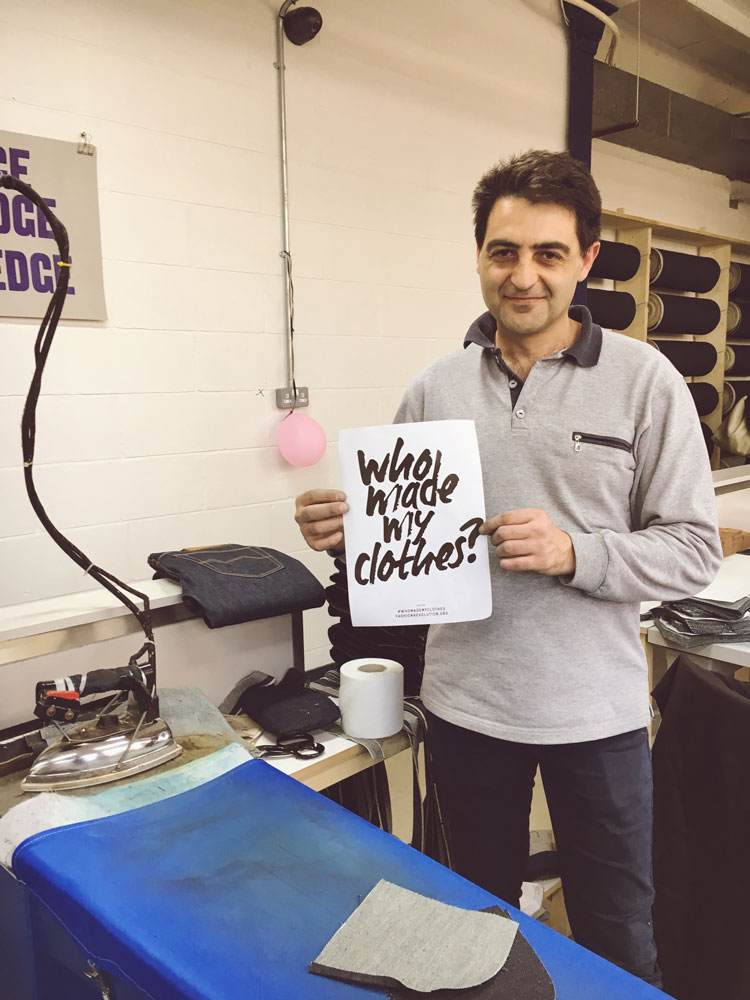
Name : Mr Iliev
How long have you been in manufacturing? 22 years
How did you get into manufacturing? I enjoy the job, I used to work in manufacturing in Bulgaria where I am from.
How does working here compare to other jobs in manufacturing? The conditions are much better and we are treated equally.
What does working here mean to you? It means I can come to work everyday and work hard to earn a good living
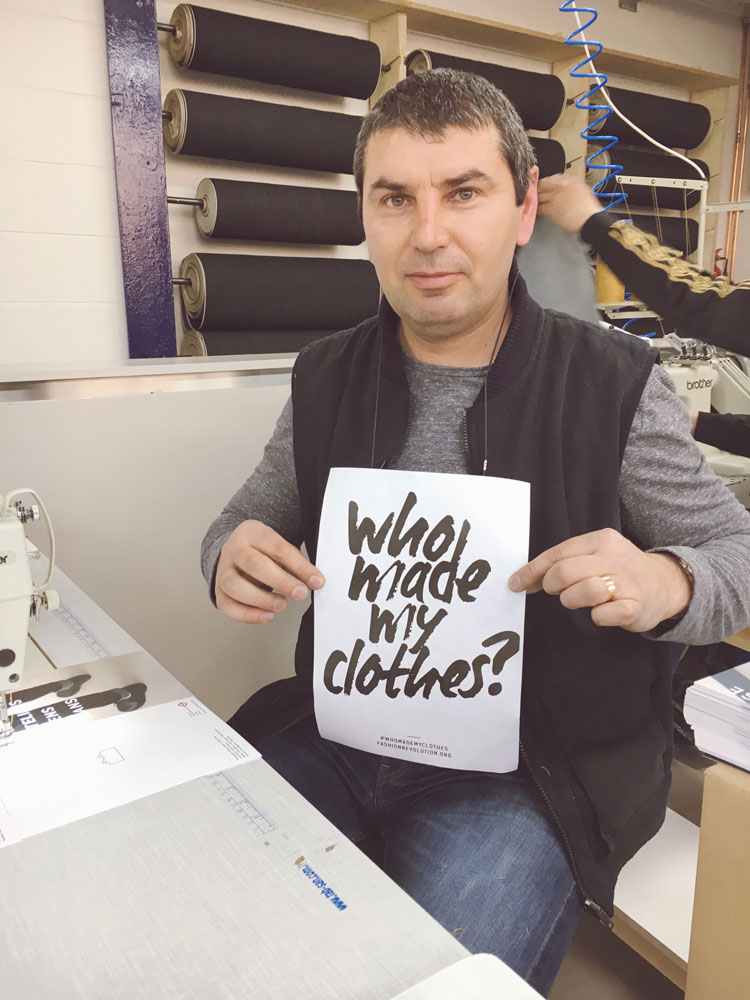
Name : Mr Dimitar Conev
How long have you been in manufacturing? 27 years
How did you get into manufacturing? I like the job, sewing and manufacturing is something I enjoy doing.
How does working here compare to other jobs in manufacturing? We are paid a lot better and the working space and conditions are a lot better.
What does working here mean to you? It means I can earn a living and afford a better standard of life.
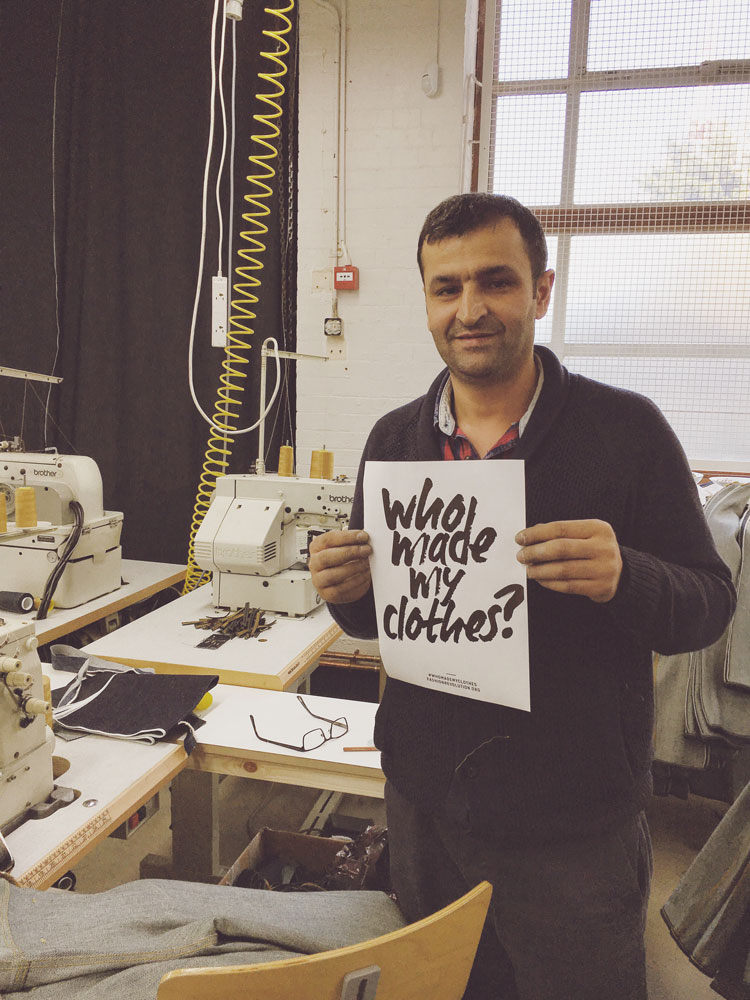
Name : Ali
How long have you been in manufacturing? 30 years
How did you get into manufacturing ? It is my favourite job. I enjoy sewing and manufacturing more than any other job.
How does working here compare to other jobs in manufacturing ? This is the nicest factory I have worked in.
What does working here mean to you? It means I can earn a proper living.
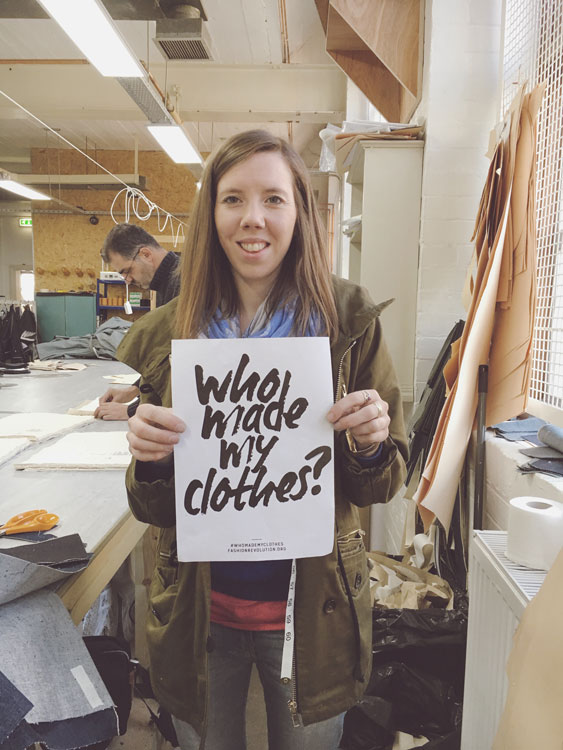
Name : Megan Fisher
How long have you been in manufacturing for ? I have been sewing for 15 years, since I was a little girl.
How did you get into manufacturing ? My mum was always really good at sewing which really inspired me, and I enjoyed textiles classes as school, the passion just grew from there.
How does working here compare to other jobs in manufacturing ? It’s really different because everyone is really honest and open. its a very transparent company, which means we have lots of visitors to see what we do.
What does working here mean to you ? It mean that i get to live an exciting life of living and working in London.
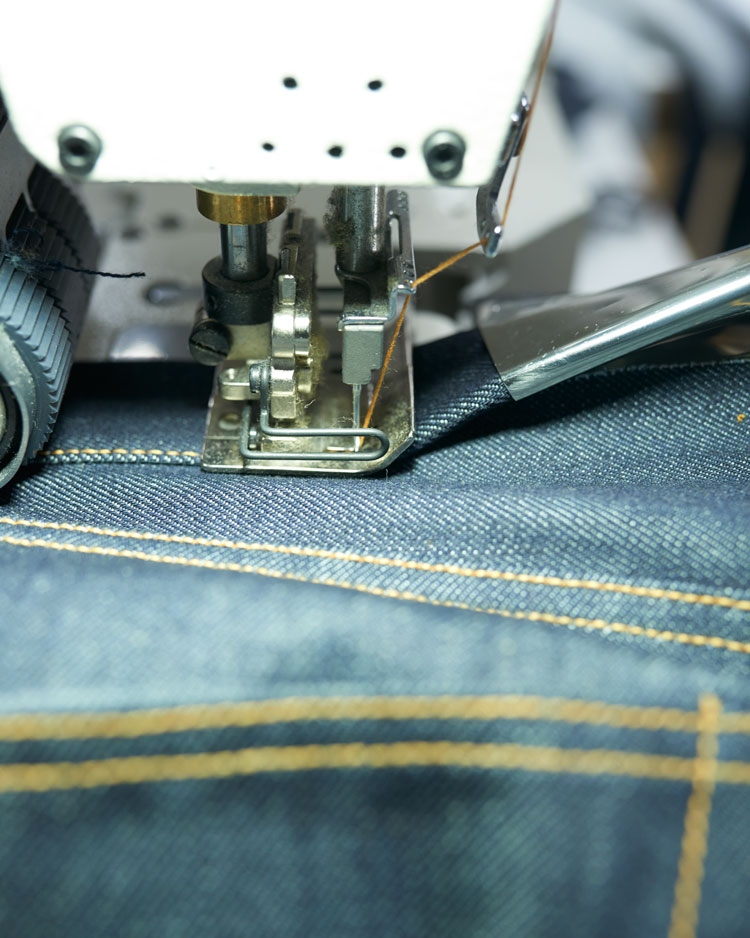
The antithesis of fast fashion, denim jeans are known universally as the quintessential egalitarian garment, with a slow heritage dating back 150 years. Launching in April 2016, the Blackhorse Lane Ateliers is an entirely unique factory brand and manufacturer of superior quality denim goods. Based within a tastefully renovated 1920s factory building in Walthamstow, the brand combines the production of artisan jeans with the establishment of a modern methodology for community living – Think Global, Act Local.
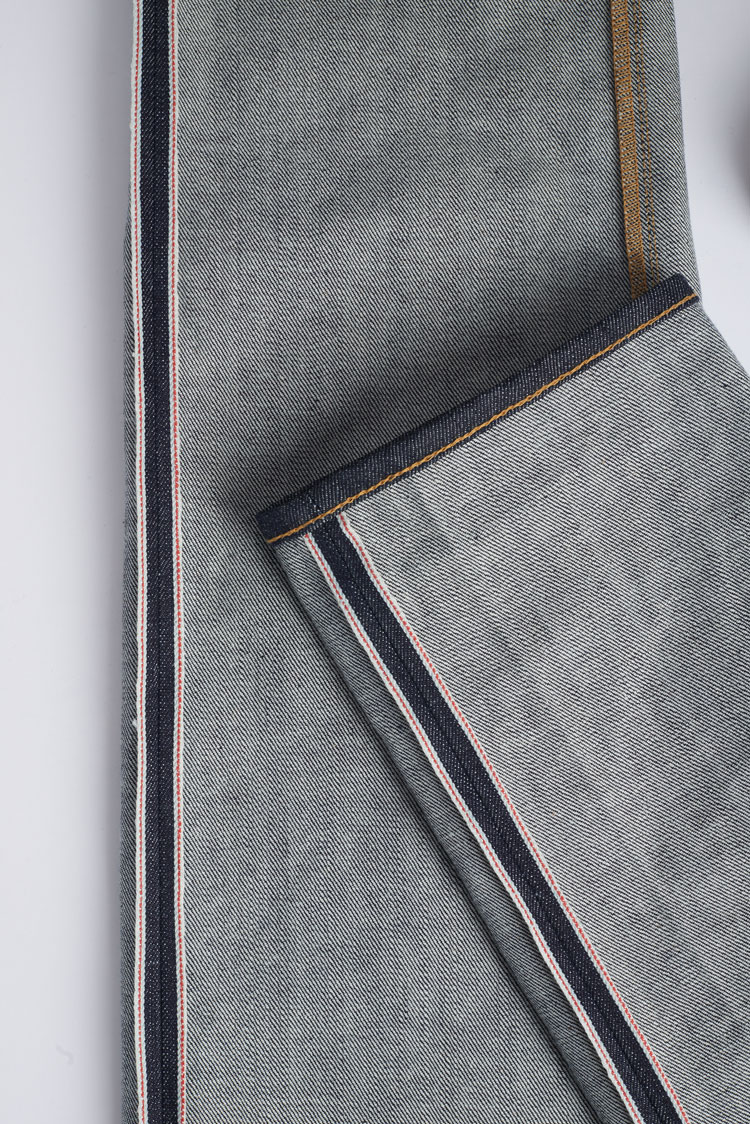
The key element of the Blackhorse Lane Ateliers manifesto has been to challenge the commonly held, modern day attitude of short-term gains, instant gratification and disposability, by implementing a more sustainable, ethical and transparent business model, to the advantage of the consumer. In order to keep the carbon footprint low, each pair of jeans will be produced within their London Atelier and crafted by local Londoners, using only the finest quality selvedge and organic denim, expertly sourced from Europe and Japan.
80% of our fashion is made by women who are only 18 – 24 years old. Sadly we only hear about these women when terrible tragedies occur, be it the Rana Plaza disaster in Bangladesh in 2013, the horrific fire at Ali Enterprises in Pakistan in 2012, or Triangle Shirtwaist Factory in New York in 1913. The hopes and dreams of the women behind our fashion are eclipsed by heartbreaking headlines that hound the fast fashion industry.
Made in Pakistan is the story of two incredibly resilient women who make our clothes. They don’t want our pity. They want us to know them. We hope this short will move you to care about them and ask #whomademyclothes.
Rubina: I am 22 years old and wanted to be a doctor. Then my father got sick, so here I am, many years later, still at a factory stitching college sweatpants and hoodies that go to America. I don’t want you to feel sorry for me. I used to be shy and scared in the factory environment. But after all the injustices I’ve seen happen here, I’ve become a labor organizer. I go to management to demand that we are not harassed, paid on time, given proper food to eat. You would not believe the things I have seen. Stitching all day long my mind wanders and I think about you often. You having fun, wearing these hoodie on campus. I wonder if you think about me ever? The woman who made that for you. I am taking English classes at night. So that one day I can at least get an office job.
Lubna: After my husband left me and my infant daughter, I had to find ways to care for her and my aging parents. So here I am, many years later working at a garment factory. As I pull threads out of hoodies and do the final inspection, I sneak glances at the clock. My days are long and I miss my daughter so much. The other women on the line help me get through my days. We share secrets and the grief that is buried deep in our hearts. When the sun starts to set, its my favorite part of the day because I get to go home to my daughter. I don’t have very many dreams of my own anymore. I just hope for a better life for my daughter. I often imagine university students hanging out, wearing the hoodies that I helped make. I hope you know that my daughter and my life are woven into the threads of your hoodie.
Making of the film: Made in Pakistan is a part of Remake’s Meet the Maker series. We traveled and visited fabric mills, factories, dormitories and homes throughout the world in search of the women who make up fashion’s supply chain. So far we’ve been to Haiti, India, Pakistan and China, to sit down and eat meals, listen and learn about the triumphs and the heartaches of the women who make our clothes.
This film is personally very meaningful to me. I was born and raised in Karachi, Pakistan. I have for the last decade worked across brands, factory managers, government and unions leaders to invest in the lives of the people who made our clothes. We were fortunate to have partnered with an amazing Pakistani film crew. Our cinematographer Asad Faruqi and producer on the ground Haya Iqbal were thoughtful and persistent in capturing this story (and their recent documentary A Girl in a River has just won an Oscar!).
We hope you enjoy a glimpse into Lubna and Rubina’s life and think about them the next time you put on a hoodie or a pair of sweatpants.
The fashion industry is incredibly complex.
Fashion is a global network. From growing the cotton, weaving it into fabric, dyeing and finally sewing the garment together, each step is completed by a different group of people, in different regions and even countries. Some brands have over 500,000 different products on the market at once worldwide, thousands of factories associated with them, and millions of workers all having a hand in creating their products.
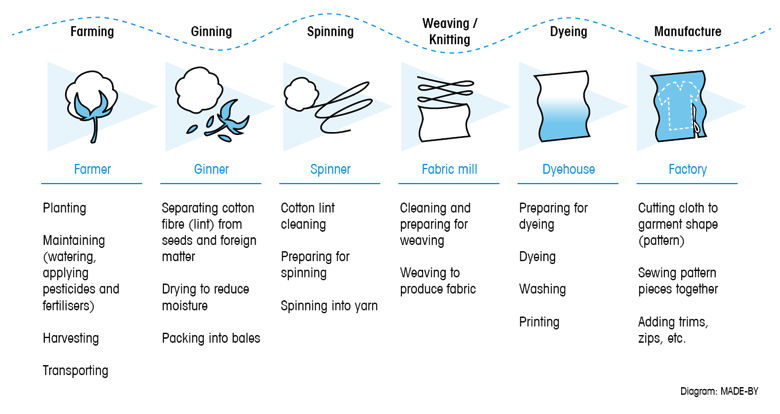
It is positive that the fashion industry is able to support the employment of so many people, in regions where opportunities can be limited. The challenge, however, is making sure that the livelihoods of these workers are protected, sometimes even above the accepted standards in that country, and that the environments in which materials are extracted and processed are not negatively impacted by these activities. Many brands have invested significant resources to evaluate and decrease these impacts, however numerous continue to struggle with achieving transparency of their supply chain in the first instance.
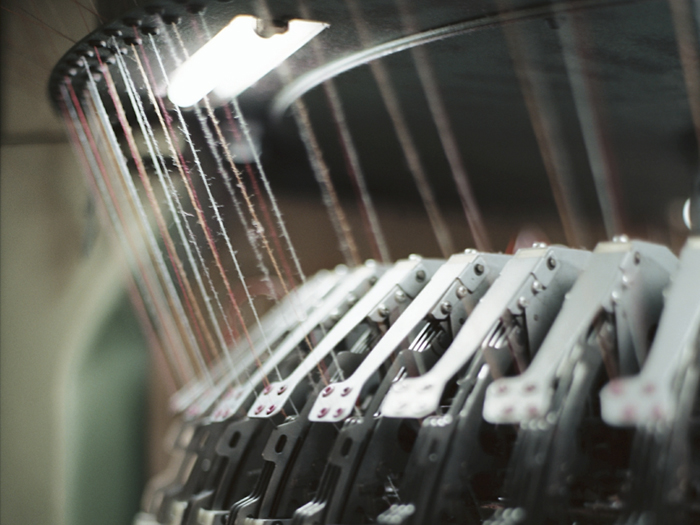
Why is supply chain transparency a challenge?
The strength of fashion brands is in providing consumers with finished products they want to purchase – it is not in growing cotton, mining tin, dyeing wool, or all other stages of production of fashion. Because of this, their supply chains are setup to primarily place orders directly with factories which produce their final products. Some brands do purchase key fabric or components to their products, however brands are towards the end of incredibly intricate networks of factories and workers. To achieve transparency, brands need to work backwards to identify these factories who have had a hand in producing the components used to create their products.
We lead projects with brands to uncover their supply chains. These projects are always an ongoing process of communicating the intent to suppliers. The focus is on building trust in that brands are not seeking to leapfrog over suppliers to secure better commercial deals with upstream suppliers, but rather, honest attempts at uncovering who made their clothes and how these were made. We have had some great successes in these projects, finding ways to decrease impacts quickly, connect brands to workers who they would’ve never been able to tell stories about otherwise (e.g., Mongolian goat herders), and build comprehensive pictures of their supply chains and their associated risks. In some cases, we find deceptive behaviour or suppliers being unwilling to share this information. The brands we work with then need to make a decision. Some have decided to make a stand that it is no longer acceptable to them to source from suppliers who do not share this information. Others are still trying to get this supply chain shift sold internally. However, in both cases, the important thing is that transparency is now a factor in sourcing, and is being discussed by both sustainability teams and commercial teams as the new basis for further impact reductions. Without having visibility to these suppliers, brands are unable to support impact reductions more upstream in the supply chain. Once visibility is established, we have seen impact reductions of all sizes, from investing in new machinery to simply adding nozzles to hoses to save resources.
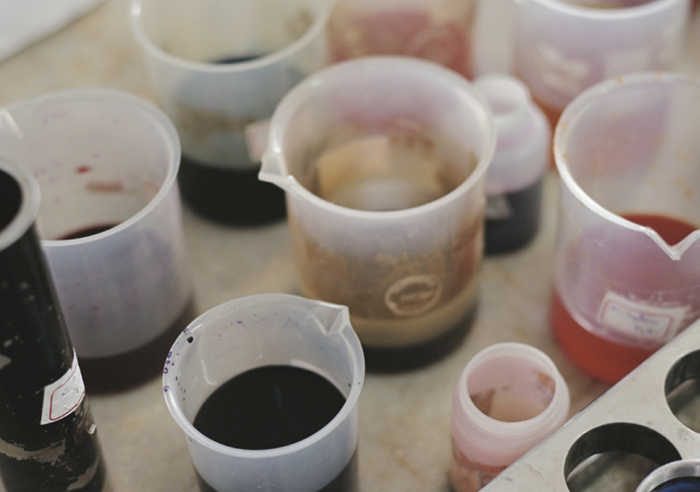
A fundamental shift is coming
By 2050, the global population is expected to reach nine billion people – all of which will not only need clothes. Climate change has already began impacting harvests for materials like cotton worldwide, and is only expected to cause further supply disruptions in the coming years. Industrial pollution too has devastated environments, with 43% of rivers in China being unsuitable for human contact (not consumption – contact). Competition for resource is ever increasing with poor yields from harvests, and even with resources we take for granted such as the groundwater level in Bangladesh dropping by multiple metres every year, requiring factories and communities to continue drilling deeper and deeper to find water.
Legislation and international guidelines are also changing worldwide which means that companies will have full responsibility for the social and environmental impacts of their supply chain from start to finish. For some brands, this will be a catalyst for action. For others who have already invested in projects to identify and support suppliers, their first mover advantage has put them in a better position to comply with these legislations, but also have created some other potential benefits. A key high-street brand recently shared that their commitment to sourcing Better Cotton Initiative cotton for their products created a space to build trust with suppliers, get to know them better, and support them with their challenges.
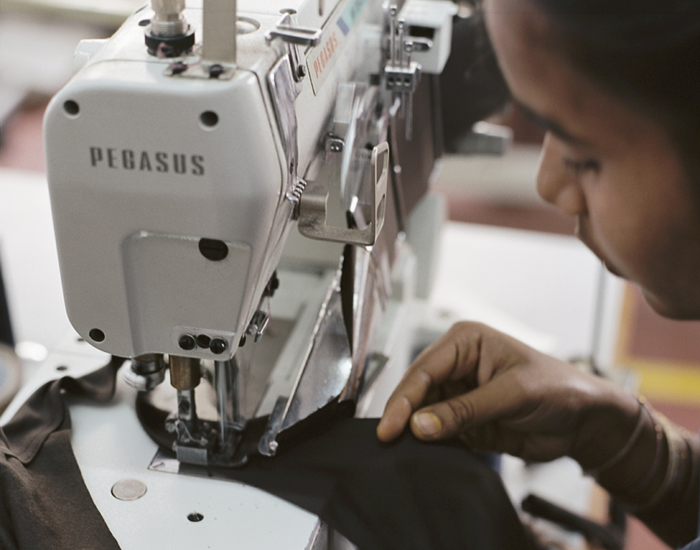
Transparency as an opportunity
We must be aware that opening up an entire global industry cannot happen overnight. Instead we should celebrate some of the leaders who continually engage with their supply chains, and share with the world some of their findings (both positive and negative) and some of their stories.
Transparency will be the vehicle by which brands can identify their supply chain, engage with these suppliers and improve the environmental and social impacts associated with the production of their products. Sustainability engagement has moved far beyond a charitable exercise, it is becoming a critical business activity.
Transparency is set to be a game changer on supply chains and effective action can begin to make this a reality.
Stefanie Maurice, Principal Consultant, MADE-BY
Meet Beatrice. At 27, Beatrice is a mother to a 14-year-old daughter, an Ebola widow, and she is learning to write the alphabet in her spare time. Now that she works at The Bombchel Factory, she is able to support herself and her family for the first time in her life.
Before she became a Bombchel, Beatrice sold fish in the market sometimes, but in her own words at our first meeting, ‘whole day I not doing nothing at home.’
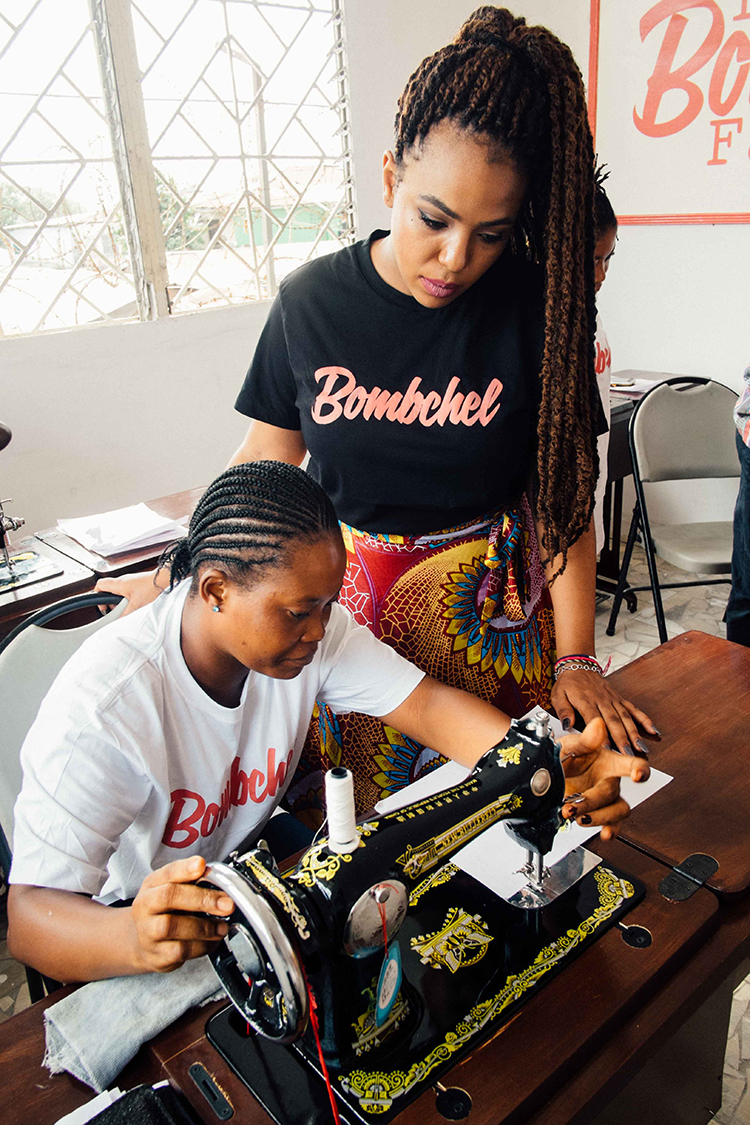
The Bombchel Factory is an ethical African fashion wonderland based in the heart of Monrovia, Liberia that trains disadvantaged women like Beatrice how to sew contemporary garments for sale.
When I started The Bombchel Factory, I just needed a place where women would make clothes for sale in my store, Mango Rags, or for the occasional US festival. I knew I wanted to help women as much as I could, being that I am a proud woman and most of the tailors in Liberia are men. In a country where most of the women are uneducated and unskilled workers, I couldn’t have imagined that we would get to teach women how to one day write their name, like Beatrice. I didn’t expect we would find a team mama, Sis Emma, who keeps the women in line but also builds their confidence. I didn’t think we would have a future Baby Bombchel on the way from our expecting manager, T Girl. I definitely didn’t expect that we could raise $60,000 on a crowdfunding campaign all the way in little Liberia!
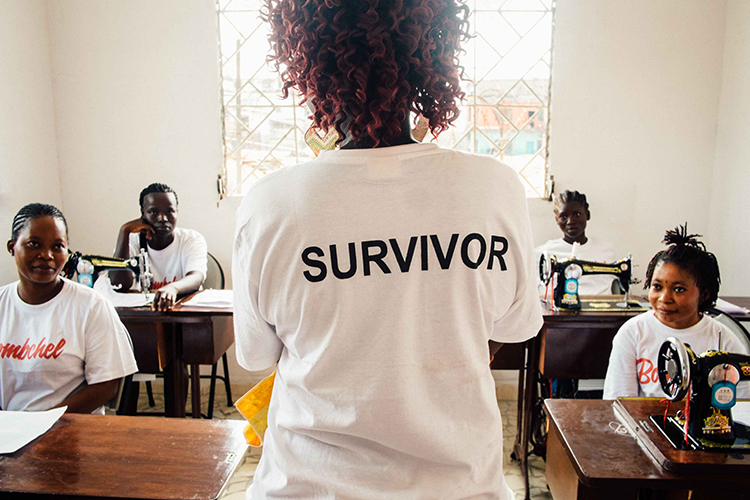
Through The Bombchel Factory, I learned that fashion can do more than just transform the way a woman looks, but it can revolutionize the way she lives. The most exciting things I’ve learned from our wonderland have to do with the people who have helped to build it.
In a country that has seen civil unrest, Ebola, and everything in between, we’re excited to be ethically stitching together a silver lining for Liberia.
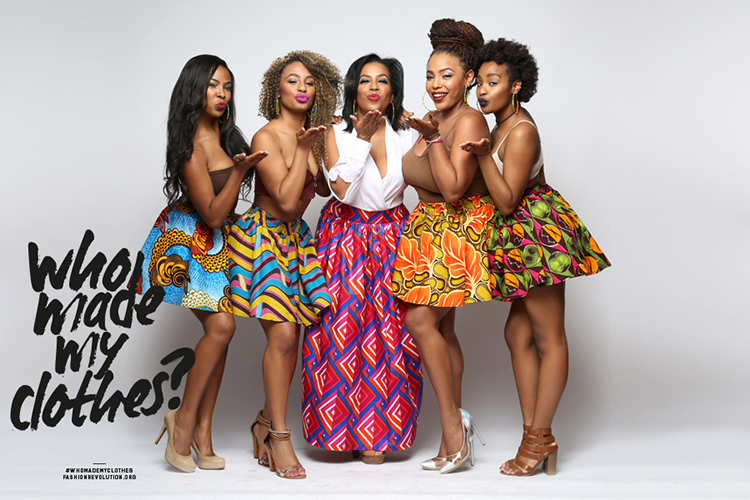
by Archel Bernard
Moral. It’s not a word we use very often, especially when we talk about fashion. Fashion comes with many adjectives attached: fabulous, iconic, elegant, sumptuous, dashing, nostalgic, effortless… but moral is rarely one of them.
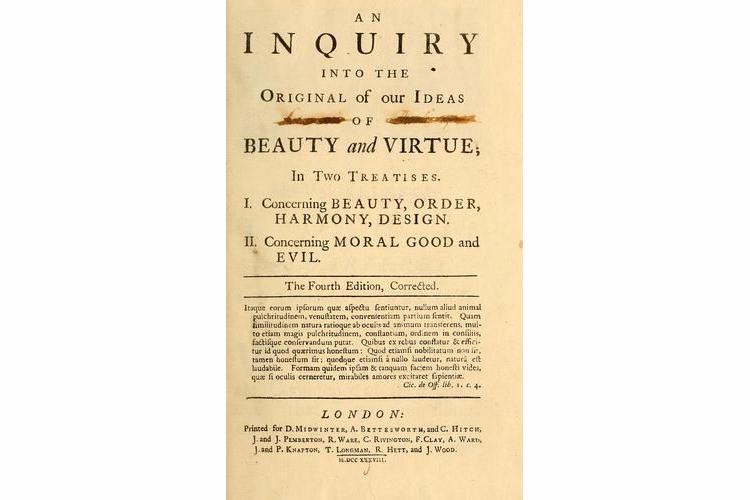
In 1725, Rev Francis Hutcheson wrote An Inquiry into the Original of our Ideas of Beauty and Virtue. In his opinion, an outward perception of beauty was impossible without an inner sense of beauty as well. He called this as a ‘moral sense of beauty’ and, importantly, he understood it as something which could be altered by information and reasoning.
In the mid 18th Century, the first examples of fashion press appeared in Paris with publications like Le Journal de la mode et du Goût. This was the start of the connection between fashion and taste, fashion and ideals, fashion and individualism. It was also the beginning of our moral disengagement as community values gave rise to individual values. The fashionable young women portrayed on its pages embodied the rise of consumer culture.

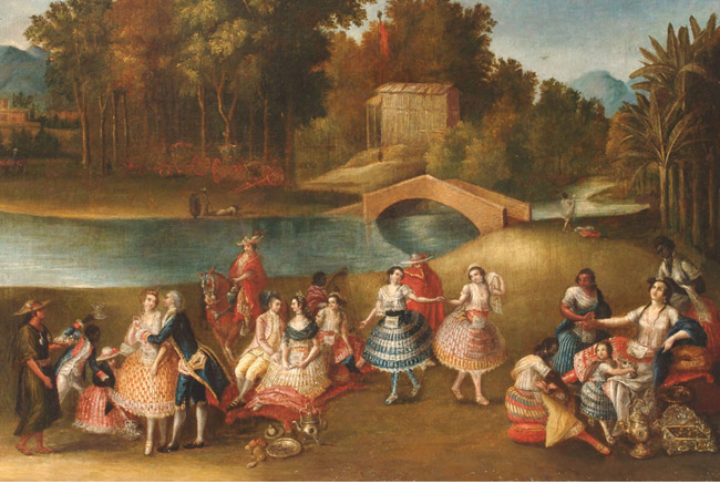
This desire for new clothes was not confined to 18th century Europe. In Latin America, clothing was recognised as a symbol of social status and prestige and was manipulated by the marginal sectors of society in order to become more socially, economically, politically and culturally reconised.
An overwhelmed husband wrote to the Mercurio Peruano in 1791 setting out the precarious financial situation in which he found himself as a result of his wife’s fashion taste. He protested her need to have a different dress for every social occasion. Whilst his wife had garnered admiration from society in Lima, the husband was unable to pay his debts. For the wife mentioned in the letter, clothing had become a vehicle to make herself visible in a male-dominated society, expressing her status and social freedom.
Our desire for fashion has certainly not diminished in the ensuing 200 years. What has changed, however, is our proximity to, and awareness of, the impact of our purchases.
In the 19th Century, a sweater was an employer or middleman who abused his workers with monotonous work, unhealthy or unsafe conditions and poverty-level wages. The desire of manufacturers to pay the lowest possible wage, coupled with a huge number of rural poor and immigrants looking for work in Britain and the US, produced a climate ripe for the exploitation of workers and the establishment of the first sweatshops. Sweating came to describe work which lacked respect for the human factor. A House of Lords Select Committee on the Sweating System was established in 1889 which publicly exposed the poor conditions in which garment workers toiled. Debate over the morality of production led to unionisation and concerned consumers called for reform. For a while, things got better.
The 20th Century saw waves of trade liberalisation policies starting after World War II, resulting in the offshoring and outsourcing of production to Asia and Latin America. With the relocation of manufacturing came the abrogation of responsibility. It has been endlessly debated whether brands and retailers are morally and legally responsible for their workers overseas.
It has also been questioned whether the fashion consumer in the West is morally responsible for the poor working conditions and unsafe working practices in factories in developing countries. Many of us suspect that the clothes we wear have been made in a sweatshop. Does this affect our moral responsibility? In his book Profits and Principles: Global Capitalism and Human Rights in China, Michael A Santoro argues that ‘consumers are a very big part of the web of moral responsibility for human rights. Ultimately it is consumers who wear the shoes and clothes manufactured in sweatshops… What is needed is a real partnership between companies and consumers, based on a very simple moral compact. Companies must agree to manufacture products in compliance with human rights codes and consumers must agree to place monetary value on such compliance. Both sides of the compact are necessary to safeguard human rights’. In other words, equity for all must become a universal standard and we all bear responsibility for ensuring this happens.
My relative Dyddgu Hamilton (pronounced Dithky) was a close friend of Hilaire Belloc and his wife Elodie. Dyddgu became Belloc’s secretary and subsequently his lifetime correspondent – there are hundreds of letters between them.
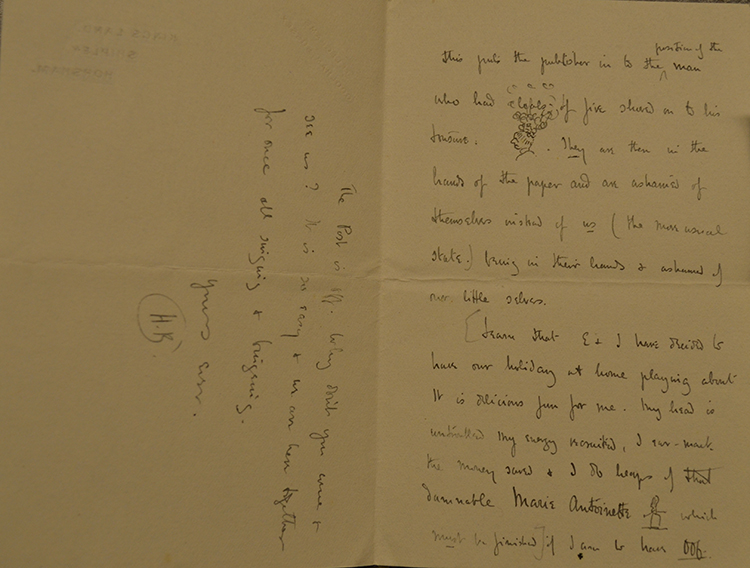
I’ve been a voracious Belloc reader for many years – he was a prolific writer with well over 100 published books. I recently came across this quote he wrote in the Sahara, and it struck me that the description of the barbarian could so easily apply to the fast-fashion addict who takes no responsibility and gives no thought to their expanding wardrobe.
‘The Barbarian hopes – and that is the mark of him, that he can have his cake and eat it too. He will consume what civilization has slowly produced after generations of selection and effort, but he will not be at pains to replace such goods, nor indeed has he a comprehension of the virtue that has brought them into being…. We sit by and watch the barbarian…We are tickled by his irreverence ..we laugh. But as we laugh we are watched by large and awful faces from beyond, and on these faces there are no smiles.’
Returning to Frances Hutcheson’s philosophy of beauty, his views are reflected in the worldview of indigenous peoples in the Andes where something which is beautiful is typically something which is well-balanced, something ayni. Everything in the Inca world was based on ayni, a system of exchange based on mutual respect and justice with other communities and cultures throughout their vast empire. Ayni has survived the conquest and capitalism and is still widely practised today. Beauty is about balance, and what is sustainability if not finding a balance between the desires of our generation and the needs of the next?
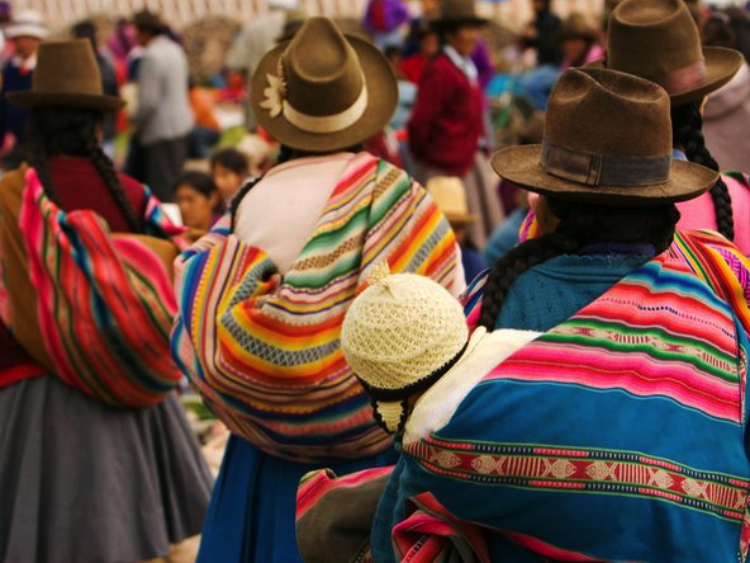
Before we can rediscover a ‘moral sense of beauty’ on falling in love with a new dress, we need to know that there is equity behind its beauty. To know that there is equity, we need transparency. We cannot hold the many stakeholders in the fashion supply chain to account until we can see them, and we cannot start to tackle exploitation until we can see it. That’s why Fashion Revolution is asking the question #whomademyclothes. We want to know that the clothes we buy are beautiful in every way.
Inés is from Mexico and she lived there until one day her uncle —who lived in LA with her aunt at the time— got into a horrible car accident. He was the sole source of income and Inés’ aunt was left with no other option than urge someone from her family come urgently and help. So Inés did. She uprooted everything she knew and left her family and friends. She risked her life to travel to a country she did not know to live on the margins of society and work very hard for little pay, just to help her family survive through a bad patch.
But this is not a story about Inés. This is about thousands of women refugees and immigrants just like her coming to the United States because they have been driven to abandon their home countries in search of a better future. The details change but the themes remain the same. They also have all experienced tremendous hardship. They have all abandoned their homes, families, and the people they love to come here. They have not had the luxury of gaining a good education – most of them do not even have a high school degree or even a GED. They live in such frugal conditions that planning for the future is impossible. And yet, you’d be hard pressed to meet more hopeful women and mothers.
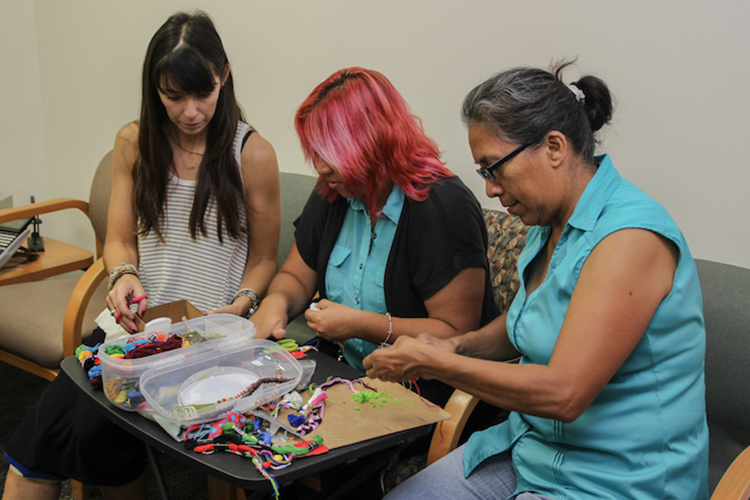
I have heard the stories of their plights repeatedly. These women are at an impasse because without a basic education such as a GED, it’s difficult to get work.
This is why we created Vavavida, to find real solutions to the problems underprivileged women face. Inés is the reason that we exist. But last year, we weren’t helping women like Inés. You see, Vavavida is an ethical fashion e-tailer of beautiful jewelry and accessories that was focused on empowering women’s economic future abroad. We retailed products made by co-ops of artisans in developing countries following the fair trade principles.
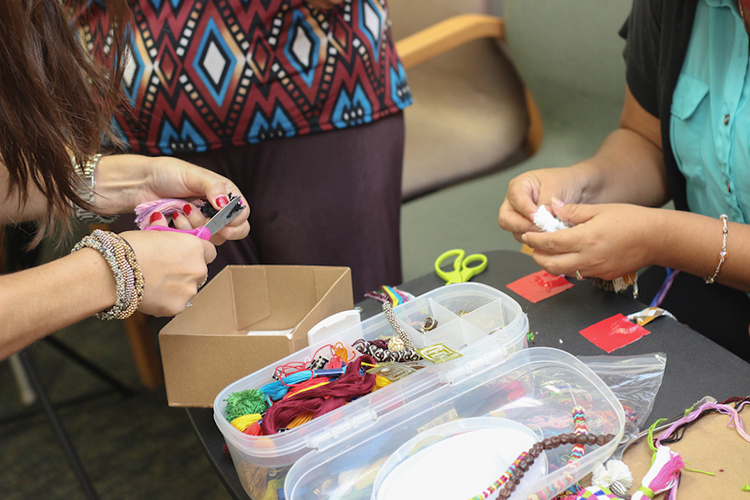
Fair trade is quickly becoming the quality standard with commodities like chocolate, coffee, tea and bananas, but it often overlooks workers in first world countries like the United States.
In 2015, we resolved to bring fair trade opportunities to underprivileged women and refugees like Inés here in our home base of San Diego, California. Vavavida partnered with Jennifer Housman, a jewelry designer and a volunteer with PCI to create an artisan co-op of refugees here in the United States. This co-op will give them an opportunity to work from home in conditions where they can work as little or as much as they can any given day and be rewarded with a fair pay for their work. This way, they are empowered to take charge of their own future and do not have to give up money or family time by putting their kids in daycare.
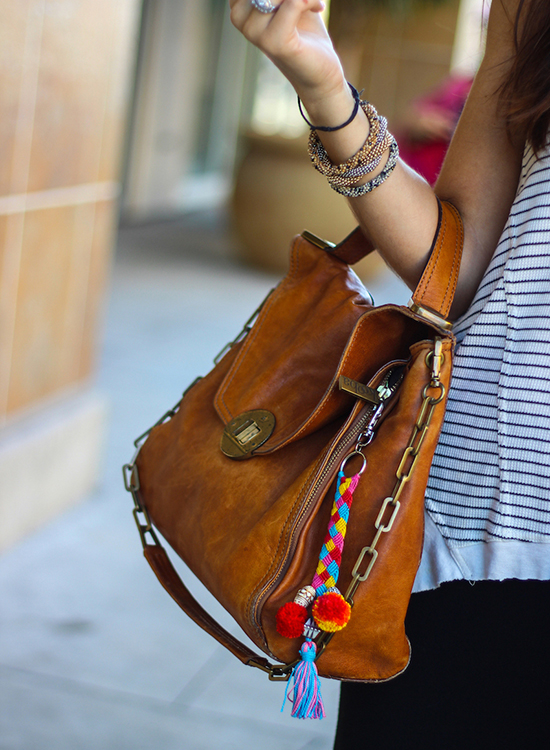
We teach women like Inés to design and make jewelry inspired by the artistic traditions and designs of the regions where they come from. This was our 2015 resolution and we are proud to see the pilot program become a reality. In 2016 we resolve to continue to invest in these women and this program.
What do you resolve for 2016? Please share in the comments section below.
Antoine Didienne is the co-founder of Vavavida, a line of ethically made fashion jewelry items that give back.
On 2nd December 2015, Fashion Revolution launched its first white paper, It’s Time for a Fashion Revolution, for the European Year for Development. The paper sets out the need for more transparency across the fashion industry, from seed to waste. The paper contextualises Fashion Revolution’s efforts, the organisation’s philosophy and how the public, the industry, policymakers and others around the world can work towards a safer, cleaner, more fair and beautiful future for fashion.
“Whether you are someone who buys and wears fashion (that’s pretty much everyone) or you work in the industry along the supply chain somewhere or if you’re a policymaker who can have an impact on legal requirements, you are accountable for the impact fashion has on people’s lives. Our vision is is a fashion industry that values people, the environment, creativity and profit in equal measure”
explained Sarah Ditty on behalf of Fashion Revolution.
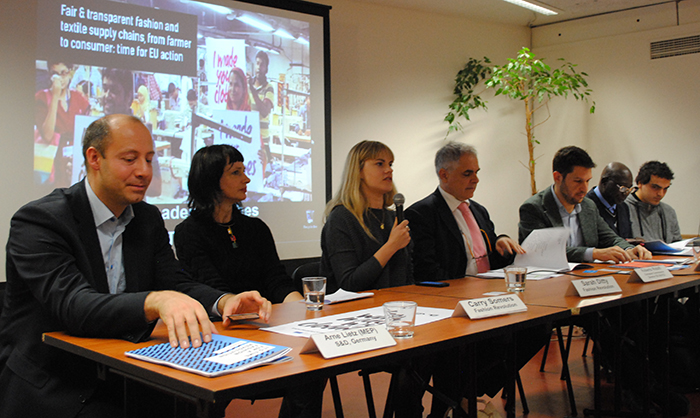
Carry Somers, co-founder of Fashion Revolution, said
“Most of the public is still not aware that human and environmental abuses are endemic across the fashion and textiles industry and that what they’re wearing could have been made in an exploitative way. We don’t want to wear that story anymore. We want to see fashion become a force for good.”
The paper was launched at a joint event with the Fair Trade Advocacy Office in Brussels and hosted by Arne Leitz, Member of the European Parliament to mark the European Year for Development.
The event included contributions by Dr Roberto Ridolfi, Director at the European Commission Directorate-General for Development and Cooperation, Jean Lambert MEP, and Sergi Corbalán, on behalf of the Fair Trade movement.
“We need an integrated approach, from cotton farmer to consumer, and we need EU support,”
explained Sergi Corbalán.
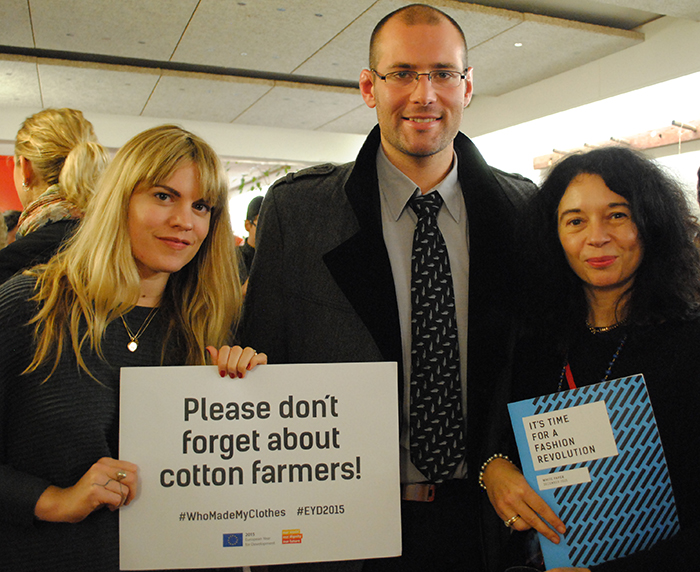
Fashion Revolution lays out its five year agenda in the paper. By 2020, Fashion Revolution hopes that:
- The public starts getting some real answers to the question #whomademyclothes
- Thousands of brands and retailers are willing and able to tell the public about the people who make their products
- Makers, producers and workers become more visible
- The stories of thousands of actors across the supply chain are told
- More consumer demand for fashion made in a sustainable and ethical way
- Real transformative positive change begins to take root.
With many congratulations on the launch of the white paper, Dr Roberto Ridolfi proclaimed:
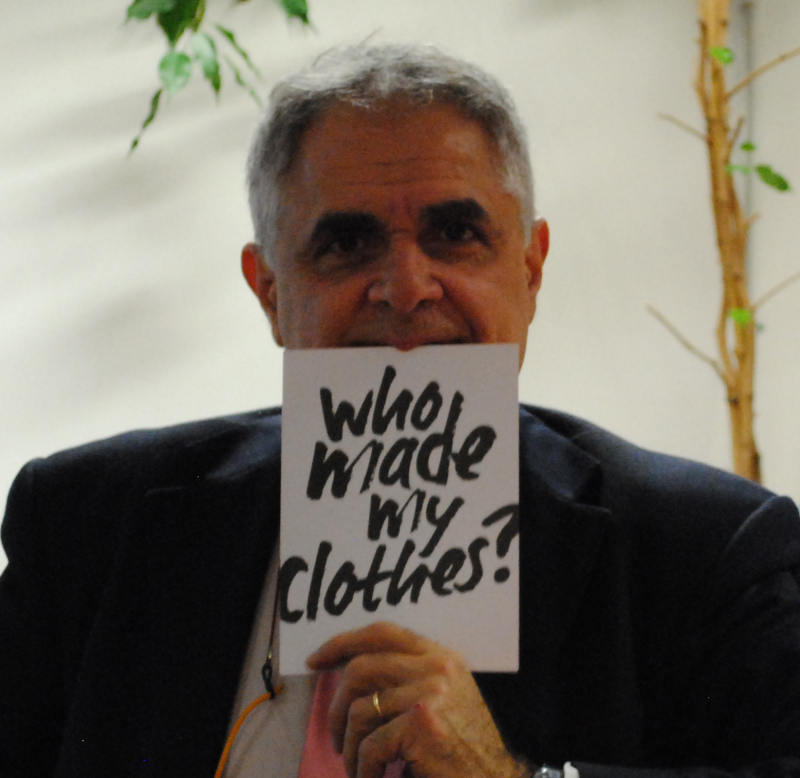
“My ambition, as of tomorrow, is to become a Fashion Revolutionary!”
Although our resources are free to download, we kindly ask for a £3 donation towards booklet downloads. Please donate via our donations page
[download image=”https://www.fashionrevolution.org/wp-content/uploads/2014/04/FRD_resources_thumbnail_whitepaper.jpg”]Download our White Paper ‘It’s time for a Fashion Revolution‘, published December 2015.
Download[/download]
Fashion Revolution also launched a new video for the European Year for Development at the event: Why We Need a Fashion Revolution.
My name is Jessmin Begum, I am 31 years old and I have been working in the garment industry for 15 years.
I have worked in six different factories in total. In those 15 years, I have seen many different labels. I have manufactured clothes for brands such as H&M, Gap, Walmart, S.Oliver, C&A, Zara. I first started working in the garment sector after completing my Higher Standard Certificate of education. A neighbour told me about a job in a garment factory; so I joined. In my first job I was a ‘helper’. That means I was cutting the threads from the seams of the clothing. I did that job for a month and then I was promoted to a seamstress. I worked in that factory for one year. Then I got a job at another factory where the salary was higher. I worked in that factory for the next nine years and earned 7700 Taka (85€/£62/$96) including overtime.
That factory was in an Export Processing Zone (EPZ). In the EPZ, a different labour law applies. The Government regulates it through an authority called BEBZA (Bangladesh Export Processing Zones Authority). My first job had been outside EPZ. You can tell the difference. They pay wages in a timely manner on the seventh day of the following month, they give regular weekend breaks and holiday pay.
The government ruled that each factory in the EPZ should have a Workers’ Welfare Committee. When it came to the election for that committee, my friends encouraged me to run. They made posters and banners. The committee is comprised of 12 members. When it came to the election of the chair, the other eleven didn’t want to take on that role, so I did it. The committee is elected every two years and I was re-elected twice.
My duty as chair was to meet with BEBZA. Sometimes they came to the factory, which meant I had to leave my work and go to meet them at the General Manager’s office.
The factory owner put me under pressure.
In order to make a good impression, the factory owners told the Authority that they could speak to me at any time. However, I was pressurised not to go by the factory owner, the middle management, my line manager and supervisors. So I asked the people at the BEBZA why they called on me during working hours as my manager did not want me to leave my work.
Before I explain what happened, I would like to tell you a bit more about the factory
The factory had five floors and on each floor there were 400-500 people, around 2500 workers in the building, out of which there were just 12 committee members appointed. We were all working on different floors and in different jobs. During lunch break, we would sit together and discuss peoples’ complaints. We gathered information. When BEBZA came, sometimes we all went to see them, but often I went alone to pass on the complaints.
I was the one who was speaking out.
The others didn’t do that as much. BEBZA used to listen to me. They usually came two to three times a year as a routine check up, and when the workers were protesting.
So, as I said, the factory owner pressured me not to leave work in order to go to these meetings. When the time came for the meeting, they would give me more work. If I normally had to complete 10 garments, they now gave me 15, which would be impossible to finish. So sometimes I couldn’t attend the meetings. If there were no committee representatives who could attend the meetings with BEBZA, they asked the factory owner to send other employees, so he would send a supervisor or one of his relatives.
Whenever I had the opportunity to pass on the workers’ complaints, BEBZA said they would look into the problem. But there was no action. No solution. The law in Bangladesh stipulates working hours from 8am to 5pm, with two hours of overtime from 5pm to 7pm. But the owner pressurised us to work four or five hours of overtime. But you know, we can’t go home every day at 10pm. First of all, there is a security issue for women. Then, when we go home, we still have to cook. At that time I was living with my mother. I was single and my mother cooked for me. But other workers needed to do all that alone, they had to take care of their children and they also had to sleep.
The Authority did not respond to our complaints. There was no action.
So the workers gathered together and wrote the following demands: higher wages, no more than two hours of overtime per day, no insults while working, no beatings and, most importantly, no termination of our employment because of the strike. The last point was particularly important to us, because otherwise they could just fire us.
As the chair, I had a certain amount of power. There were 2500 workers supporting me. The first strike was on 9 February 2003. We told the management and the police that we would continue our strike and our attacks if they did not meet our demands. So they signed.
During my time as chair, we held four protests in total. After the first protest they couldn’t fire me anymore, so they looked for other ways to get rid of me. I was bribed with 200,000 Taka (2200€/£1650/$2570) by the factory owner. He teased me, gave me a bundle of money and said sarcastically:
“Girl, you don’t know how much money is in here. Just take it and go.”
They wanted me to leave the factory because I talked too much. They knew that I had influence. They knew the risk. They knew that if I went to the Authority, they would listen to me. I did not accept the money.
During the last strike, I was four months pregnant. One day I was injured by brick which I blocked from hitting my body with my hand. Workers were throwing bricks inside the factory and the police were throwing them threw back. I finally stopped working at the factory when I gave birth to my baby because I had to breastfeed. I couldn’t be fired when I was pregnant of course, but I resigned because of the baby.
Afterwards I worked in another factory outside of the EPZ for one and a half years where I wasn’t paid on time. I joined the National Garment Workers Federation in 2008 where I work part-time as the Secretary for Women’s Affairs. Now I am in the NGWF I am letting people know about the law and their rights.
I go out on the road a lot and visit workers in their homes. I also work in a factory as a production reporter where I earn 15.000 Taka. At least if I lose my job at the factory, I will still have the job at NGWF .
Unions are important because they encourage the factory owners to listen to us.
If the owner has a tight shipping deadline, he will talk to the union members and say “can you help me out, can you work two more hours” and they will accept. So the conversation begins.
 Translated from the original interview in German by Anna Holl which appeared in N21

This website was created and maintained with the financial support of the European Union. Its contents are the sole responsibility of Fashion Revolution and do not necessarily reflect the views of the European Union.