A photo essay by Claudio Montesano Casillas
I met Laboni’s family at the Rana Plaza site earlier this year. The entire world had seen pictures of the victims of the garment factory’s collapse in 2013, which killed more than 1,100 people. I had seen them too. But they did not match the feeling of seeing a family grieve the loss of a loved one. I thought about Laboni’s life and how it was much more than just a tragic death. How she was a smart young woman with many dreams, who wanted to work hard to get herself and her family a better life. I wanted to unravel that history.
I visited Laboni’s village, Mohira Para, with her father and her little sister. Located in Ishwardi, in the Pabna District, this is where she grew up before searching for a better life in the capital, Dhaka. I photographed these places and collected old family photos.
The ready-made garment industry in Bangladesh is worth 24 billion dollars. An alternative to the restrictive and tough agricultural sector, it provides jobs to many unskilled workers, especially women who travel to the country’s capital in search of independence in the shape of formal income. Every year, millions of people migrate from rural areas to the urban zone hoping for a better life. But though the salary of a garment worker may be higher than that of a farmer, the living and working conditions can turn city life into a nightmare.
Laboni was born in February 1993. In 2006, she migrated from Ishwardi to Savar, Dhaka District. This is her story.


Claudio Montesano Casillas is a documentary photographer born in Cuernavaca, Morelos, Mexico. He established his roots in three separate cultures, Mexican, Italian and Swiss, and he has developed an ability to both recognise and capture the richness of people, cultures and their respective evolution. Currently, he is based in Dhaka, Bangladesh. See more at his website, or follow him on Instagram.
Four years ago, photographer and activist Taslima Akhter took the haunting photograph ‘Final Embrace’, showing two garment workers embracing in the rubble, killed by the collapse of the Rana Plaza factory complex in Dhaka, Bangladesh. Time magazine selected the photograph as one of the year’s top 10 images, saying “A Final Embrace captures Bangladesh’s united grief of the Rana Plaza disaster in a single shot. No one knows who these two people are. The relation between them remains unidentified”.
Taslima also took other photographs in the aftermath of the Rana Plaza collapse, talking to those rescued and injured, and the families of people who had died. Four years on, she has returned to meet some of those people again to find out how their lives had changed.
Rupaly worked as a machinist in the New Wave Style factory on the sixth floor of the Rana Plaza building. The day before, cracks had appeared on the walls, and the workers who arrived on the morning of 24 Apri 2013 refused to go in. The supervisors insisted that the situation wasn’t at all serious. “They said that should problems occur, we’d face them together”, Rupaly recalls. The manager of the factory also threatened to pay wages only for those who came to work as normal. Under pressure, she agreed to go in with the others.
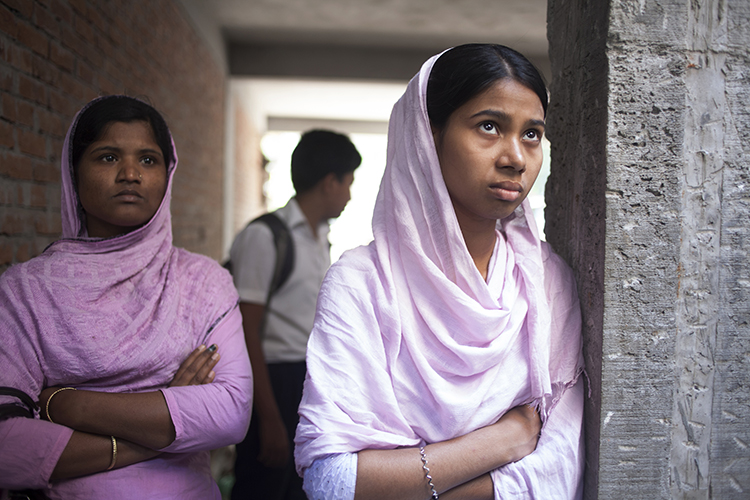
They had only worked for a short while, when Rupaly felt that the floor beneath her feet started to sink. She recalls having tried to run, but the walls surrounding her collapsed. Everything was rumbling, and eventually she fell. The next thing she remembers is that she couldn’t move, and there were two bodies lying right next to her. She realised that there were living people nearby, yet she couldn’t see a thing. 15 hours later, she was saved from the ruins.
After the accident, Rupaly couldn’t work for a year. She managed to support herself financially with the help of donations given by private individuals, NGOs and the State. She also had the emotional support of her husband Farid and her daughters Fahmida, 10, and Fahima, 7. She returned to work in 2014 but the first garment factory to employ her soon caught on fire. Nobody died but it took a lot of courage to start working in a factory again.
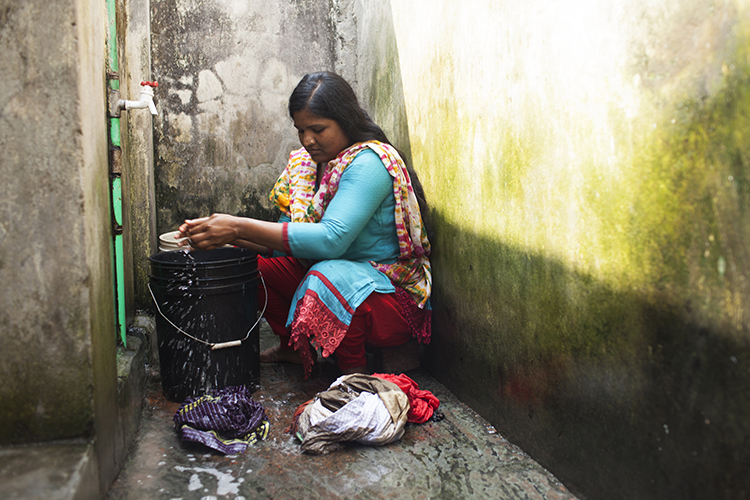
Four years after the collapse of Rana Plaza, Rupaly feels that the memories of the accident are not haunting her as much. “I feel stronger and braver than before”, Rupaly says. Before the diaster, Rupaly didn’t give much thought to society and politics; she saw herself as being responsible for her own misfortune. Later, she came to understand that the factory owners and fashion brands bore the responsibility for the Rana Plaza factory collapse. Rupaly says that she now knows that workers and women have rights.
Rupaly has received compensation of £4,000, which she has used for buying a small property from her home village. She hopes to build a house for her family there.
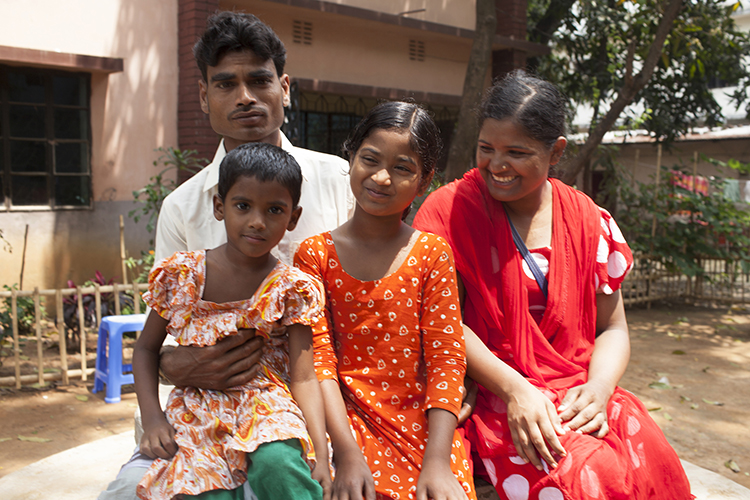
Four years ago, Alam had a wife and three children. Although money was scarce, he felt happy. They lived in a small house in the suburban town of Savar, outside Dhaka. Alam drove a rickshaw and his wife, Beauty, worked in a garment factory called New Wave Styles.
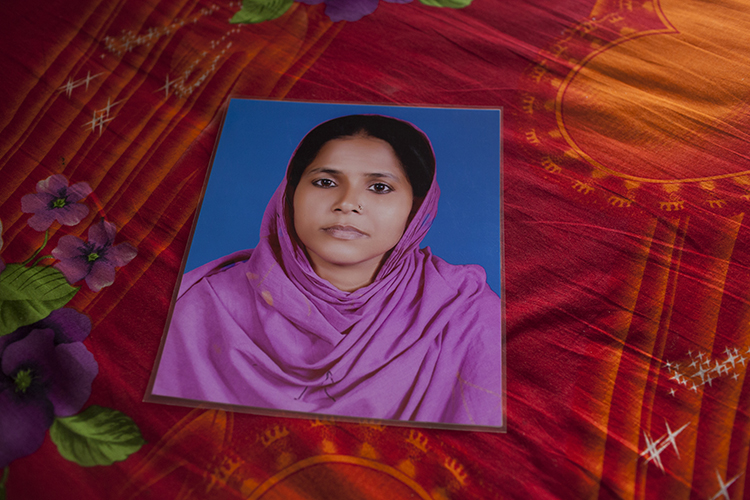
A year later, Alam sat on the cold floor crying with his three children around him. The girls were wiping their tears on the sides of their scarves. The sun was shining behind the barred window and the neighbours were talking in the street. Alam’s family was just one of many who had lost their mother.
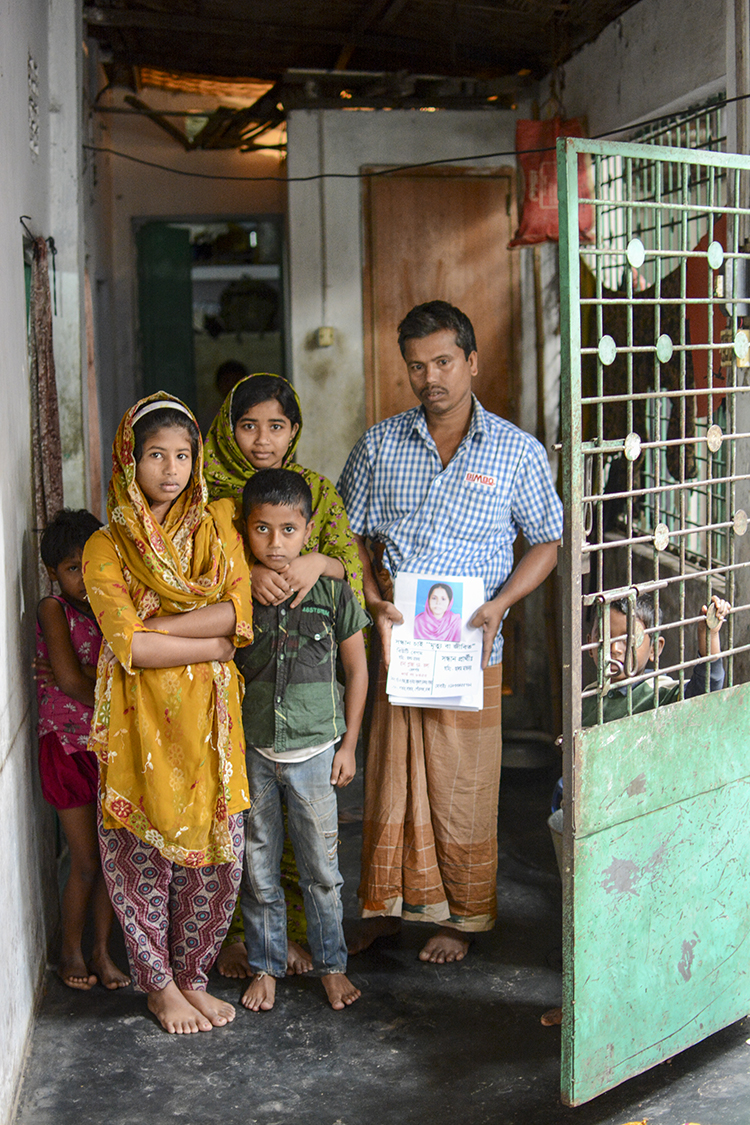
The children talked quietly about their dreams: Farzana wants to become a teacher, Afsana a doctor and Abdullah an engineer. Alam touches the ripped pieces of paper on the floor: his wife’s identity card and her work contract – the only proof of her existence and of her presence in the building called Rana Plaza.
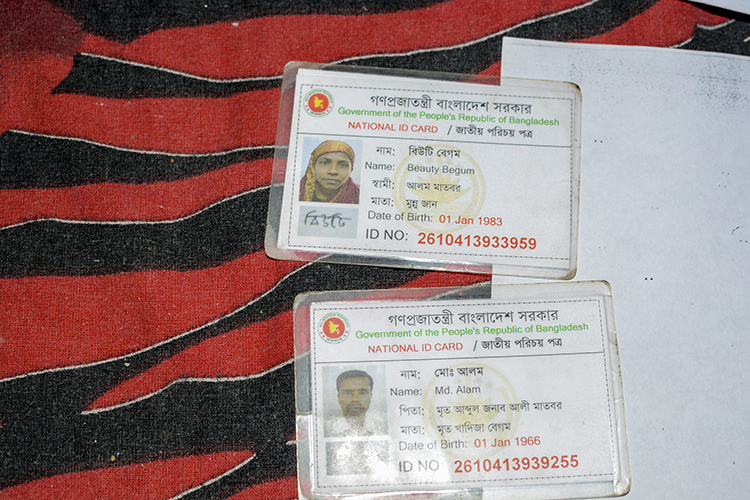
Beauty’s body was never recovered from the ruins. She was one of 100 missing workers whose families were not granted any compensation for two years. Finally, Alam’s claim that his wife had been in the building was believed and he received 1 million Bangladeshi Takas (£9,760).
Alam now has a new wife, Shahnaj. He has set up a depot where drivers can store their rickshaws where he earns as much as 30,000 Takas (£290) a month, which is more than ever before. In their old home, they used to share a stove with the neighbours and eat their meals on the floor, but now Alam lives in a better apartment with furniture and a kitchen. The children have grown; they go to school and he’s able to save money for their future.
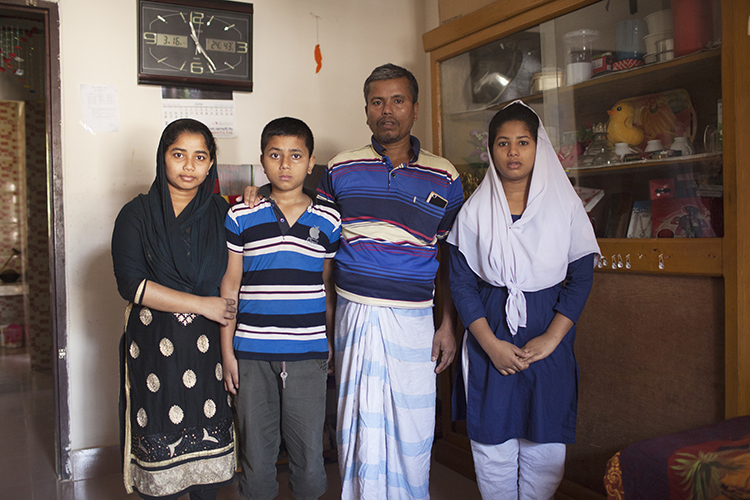
However, Alam’s world will never be as simple as it was before. It’s now filled with the injustice that he knows exists everywhere, not only in Savar or Bangladesh. The rich oppress the poor the world over. Both domestic and international factory owners and brands push the workers to work overtime, with no regard for safety. Bosses punish workers even for the tiniest mistakes, whereas the bosses themselves are never punished. The owner of the Rana Plaza factory, Sohel Rana, even though he ordered workers to go inside the building on that fateful Wednesday four years ago, has yet to be sentenced. Likewise, the sellers, buyers and the Bangladeshi government still shake hands with each other. “Life is not easy, so we need to find things out and know as much as possible”, Alam says. “Otherwise, there’s no way we can go on.”
Alam has managed to get his family’s life back in order, although he still feels the darkness inside him. He no longer has anyone to share his thoughts with. Beauty could understand him in a very special way, which is something that better living conditions will never replace.
Four years ago, Asma sat alongside dozens of other machinists. Phantom Apparels was located on the fourth floor of the Rana Plaza factory complex. Asma had gone there along with the other workers, as she always did. After working for a few hours, her world collapsed. Asma fell down and was buried beneath the rubble. She was trapped there for 3 days, drinking her urine in order to prevent dehydration. Then she was saved.
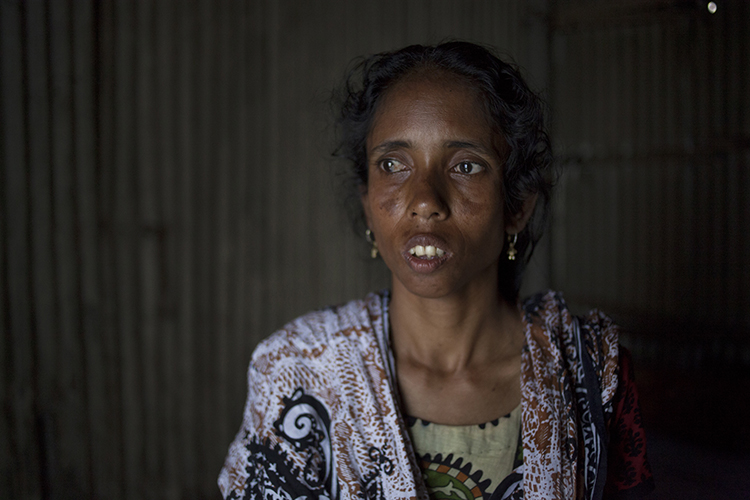
She received compensation of 200,000 Takas (£1950), part of which she used for rebuilding her life. She also invested 20,000 Takas (£195) in the name of her son, Arif. Asma’s husband moved away two years ago and she was left alone with the children. According to Asma, he left because she no longer earned as much as before. Asma cannot go back to her old profession. The factory is a trauma she doesn’t dare to face. She currently earns 4,000 Takas (£46) a month as a domestic helper, working in two different families near her own neighbourhood in Savar, only a stone’s throw away from the place where she was dug out four years ago.
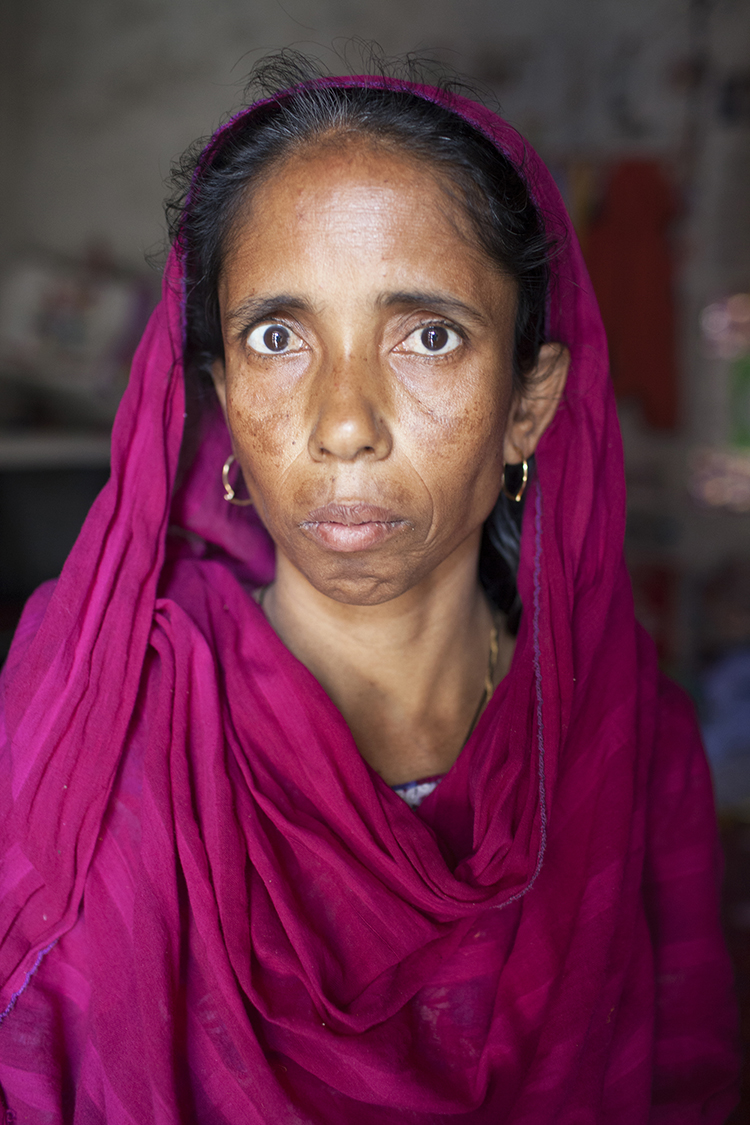
Now her 13 year old son earns more than Asma. In addition to the rent of a few thousand Takas, Asma and Arif send 1,500 Takas (£15) every month to her daughter Sumaya, who now lives with her relatives in Asma’s home village.
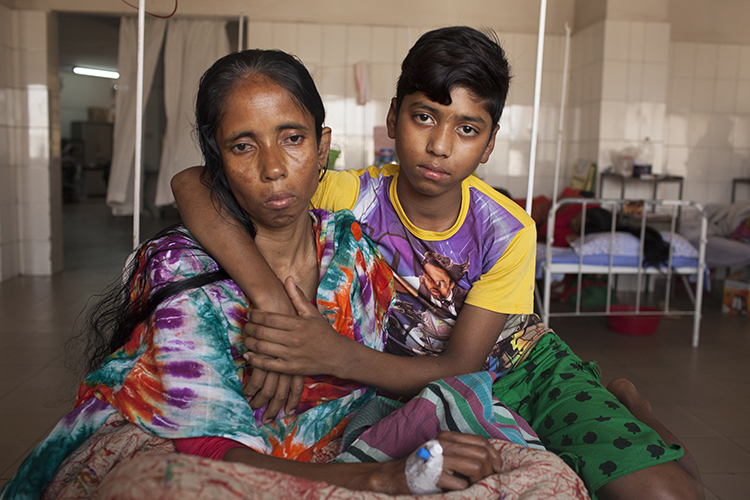
Like many women who have left their homes in search of work, Asma, now 29, dreams of returning to her home village, to live in a house of her own with a small piece of land. But her memories still keep her awake at night. At the end of February 2017, Asma’s condition worsened and she was hospitalised. The doctors diagnosed her as suffering from malnutrition and deep trauma. So now she has to stay in the hospital and recover. Her son Arif is the only person who is visiting her.
It is with immense pleasure and utter joy that we enter our fifth year with the launch of our manifesto.
Although as a team we toyed with the idea of writing a manifesto from our very first meeting in 2013, it was forgotten at some point, overtaken by numerous other ideas generated by an overactive creative team.
It’s time for a Fashion Revolution
We always knew the importance of a manifesto for Fashion Revolution – a vehicle to share our credo, our vision of the future. But the time wasn’t right; we had to focus and push for transparency as we knew this was the first step to transforming the fashion industry. We always knew we had it in us, but somehow it was a patient impulse. Nowhere near, not yet, a guttural roar waiting to erupt.
Five years on, we have seen the effect of our #whomademyclothes campaign. We have seen how the industry can and will respond to pressure from the people who buy their clothes and how transparency has become fundamental for building trust. Now is the time for us to expand our mandate. We will continue, always, to talk about transparency, but that’s just the start of the conversation and we are ready to delve deeper.
Industries, like movements, are made of people, and people are individuals. Each one of us unique, with different tastes and different priorities, and we wanted our manifesto to reflect that. Just as the act of selecting the clothes we wear comes down to a personal choice, so too does our view of what issues are important in the supply chain.
We met in earnest as a team in the late autumn, each of us armed with our favourite manifestos from the past (the Futurist Manifesto, to Li Eldekort, the Guerrilla Girls, the Sandino Manifesto, the Storm Society) and set out to shape our own manifesto with some strong and ambitious goals.
Our name itself, Fashion Revolution, is indicative of the fact that we can’t really come up with a lacklustre set of words to encourage change. We can’t just go for a boring step-by-step “we believe” kind of approach. Revolutions come with manifestos and manifestos incite revolutions so the challenge to be provocative, poetic, inspiring, idealistic and yet focussed on creating real change was one we all relished.
We wanted a Fashion Revolution Manifesto that would be the starting point to a journey of improvement, to further understanding, and we want the people who sign it to say ‘here I am, this is my statement too. This is the journey I am sharing with others who sign this because together we make an unstoppable movement for change’. These are the principles we will take with us into the future.
Above all, we wanted a manifesto that would motivate as many people as possible: fluid and romantic, yet erudite and articulate. We wanted our tone to be tough and uncompromising, but peppered with a language that allows spontaneity and dialogue. We wanted our words to speak volumes.
This is some of the thinking we played with as we riotously sat down to write.
Revolutionary idealism is inspiring.
We need to talk about Utopia.
If everything is achievable, what happens when we have achieved it?
Abandon the past to embrace the future.
Fashion is about change / Fashion is about to change
If it’s truly revolutionary then it should be provocative to challenge the fashion industry status quo.
Belief in fashion as an empowering force
The benefits of the change we are demanding are shared by as many people as possible
And then the quiet impulse roared. It erupted like a beautiful wild beast, spontaneously and in unison. Our teamwork, yet again, provided the perfect playground for creative conception and, as we played with words and concepts, stretching through history, savouring art, being rational and irrational, we came back to earth with something that felt right.

This is our dream.
Our Manifesto is the synthesis of us; the beautiful dress we choose to wear. We want our manifesto to be inspirational and aspirational. We want to accentuate the positive, whilst simultaneously exposing its negative shadow. We have no doubt that fashion has the potential for this metamorphosis within it, and we know from our experience over the past five years that change can happen if we relentlessly speak out and call for action.
Because ultimately this is what we want to achieve, a systemic and meaningful change that is inspired by people who wear clothes, with the people who make our clothes and for the environment we all share. A manifesto that belongs to everyone, that defies elitism, and that gives us all agency.
We want millions of people to sign it.
We want your signature to be a part of a global legacy so that every time something is unjust, or people are exploited and the environment is degraded, you can reach back to it and reiterate that you can’t stand for abuse, you signed the manifesto, you are ready for change. You are ready to stand up and be counted, and the more citizens that are willing to put their signature to these principles, the more we will be able to quantify the demand for a better industry.
We are setting our vision.
We are raising our voice. We can’t know now what will change as a result, or what its effect will be, but this is our Manifesto and we pledge to always speak truth to power: this is our tool to do so. We will take it to policymakers, we will send it to brands, we will ask designers and producers to hang it in their workplace, we will use it in colleges and at events. We will share it widely on our social media and ask our friends and partners to do the same. We will not stop until we see that behaviours have changed, companies have changed, legislation has changed, fashion has changed. Unlike passing trends, this manifesto is here to stay.
Manifesto for a Fashion Revolution will lead you to an all singing, all dancing, proactive and pirouetting technicolour dream of a manifesto, with words that beg to be shouted, with statements that open your eyes in surprise and others that make you shut them to meditate further. Because we love fashion and our manifesto is also a bit of a love song.
Fashion has the potential to transform the world
Our Manifesto will bring you right into our world and show you a better future, starting now: please sign it!
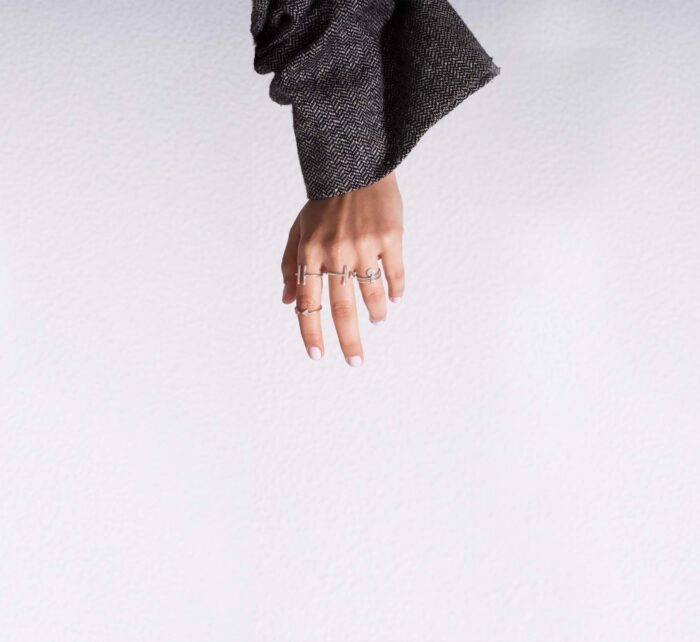
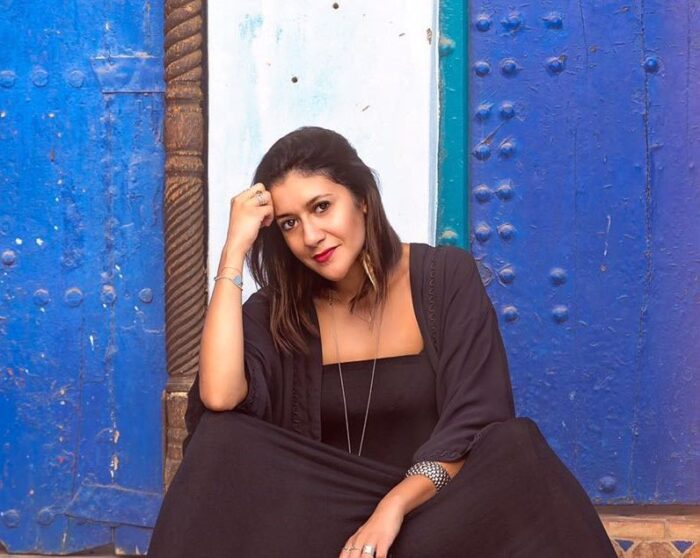
C’est en 2012, lors de son premier voyage en Inde que Rhita Benjelloun découvre la lithothérapie: approche holistique de soin, basée sur l’influence subtile, que peuvent apporter les minéraux sur le bien-être de la personne à son contact.
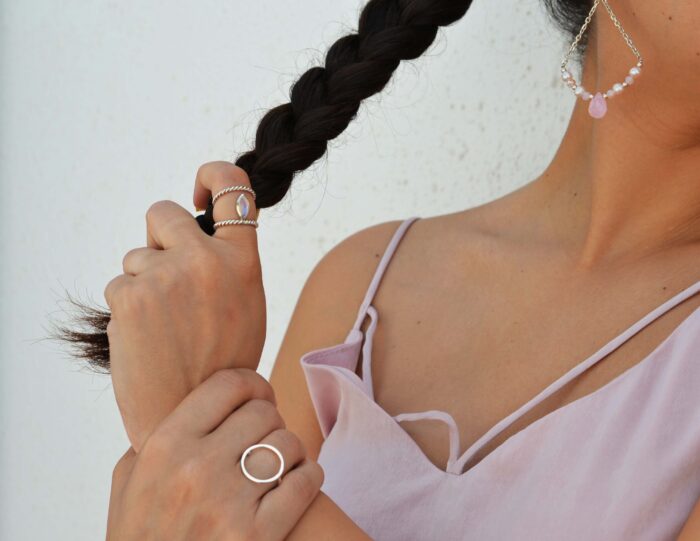
Passionnée de bijoux depuis son plus jeune âge et fascinée par la beauté, l’infini diversité des pierres et leurs pouvoirs énergétiques , elle créera à son retour sa marque rhita créations: des bijoux uniques, réalisés à la main, en argent 925 et sertis de pierres fines venant d’Inde.
Une manière pour elle d’allier la précision que lui impose son métier d’architecte au savoir faire du travail de l’argent de son pays d’origine, le Maroc. Chaque bijoux assemblé est unique et habillé d’une esthétique contemporaine et épurée, où la pierre est travaillée de la manière la plus respectueuse qu’il soit.
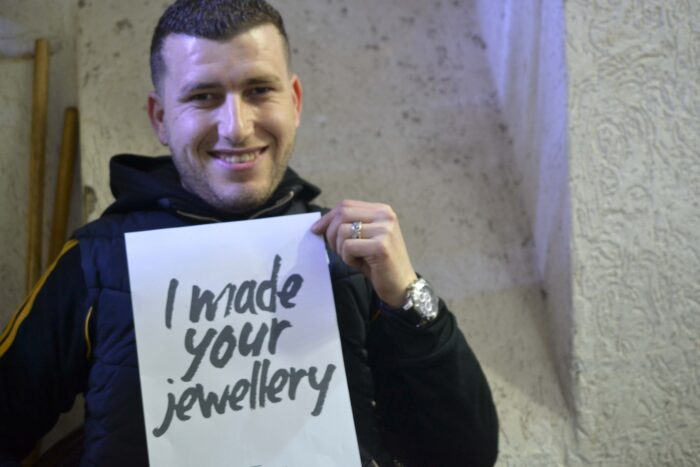
Simohammed
Simohammed a 33 ans, et est né à Fès au Maroc.
Chez rhita créations, il s’occupe de l’assemblage à la soudure, du sertissage et polissage. La soudure est ce qu’il préfère: c’est l’étape la plus délicate, car celle-ci doit être parfaite, fine et la plus discrète possible. C’est aussi la phase de la transformation et de la concrétisation du bijoux. Une phase décisive qu’il adore.
Ce qu’il aime le plus dans la vie: Le MAS (équipe de foot de la ville de Fès) et le FC Barcelone 🙂
Quand à moi ce qui me plait dans notre collaboration est d’abord son sourire d’enfant lorsque je lui donne à travailler des pièces compliquées, mais aussi son sérieux et son amour pour le travail bien fait.
Facebook: rhita créations
Instagram: rhita.creations
Fashion Open Studio 2018 – “the only fashion week worth caring about” – expands as a powerful platform for designers and brands to discuss who made your clothes during Fashion Revolution Week. Building on the initiative which started last year, designers from London to LA will be taking part, sharing their processes, ideas and best practice. This is a platform that celebrates transparency in the industry.
The aim of the week-long series of events is to engage the consumer further in the conversation about who makes our clothes – and to involve them in some of the processes along the way.
A diverse range of designers including Stella McCartney, Phoebe English, Christopher Raeburn, Community Clothing, John Alexander Skelton, Roberts|Wood, OneByMe, Katie Jones, Kepler London, Elvis & Kresse x Burberry Foundation, and Vivienne Westwood will each be adding their own voice to a Fashion Open Studio 2018, a week of talks, workshops, picnics and radical quilting.
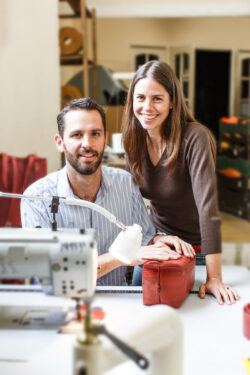
A highlight of the week will be the Burberry Foundation will be talking about their five-year partnership with Elvis & Kresse to re-engineer waste material through innovative craftsmanship in an open conversation at sustainable luxury visionaries Elvis & Kresse’s Kent HQ.
To kick off Fashion Open Studio 2018, Patrick Grant, founder of Community Clothing and CEO Lucy Clayton will be talking about why – and how – they are trying to revive the British manufacturing and textile industry. Their state of the art Cookson & Clegg factory in Blackburn now has the facility to produce 2,000 garments a month.
They will be joined by fellow industry veteran (ex Topshop, Asos and Finery London) Caren Downie, who recently launched her own Made in Britain glasses brand ByOcular. The opening event is supported by CELC – Master Of Linen, who will launch the I Love Linen campaign collaboration with Chelsea College.
MEET AND MAKE
Fashion Open Studio is a rare chance to meet and make with some of London’s most exciting young designers and their teams including Kepler London who will be opening up their Ridley Road studio to talk about how thy work and show some of their innovative knit pieces in production.
The designer cooperative Congregation who will be hosting a 3-day workshop to engage the public and create new work. They will be creating new pieces from the previously discarded. The pieces will be passed from designer to designer, each adding their own thoughts and expertise along the way and allowing them to develop into an unpredictable outcome.
All are finding new ways of producing their collections so they can take greater environmental and social responsibility for their fabric choices, supply chains and production processes.
Fashion Open Studio is a great way to learn new skills from some of the industry’s most exciting talent. There will be a rare opportunity to join Phoebe English at her Deptford Creek studio in her Quilting From Waste workshop, using her waste fabric from the past year. She is looking forward to having time to join the stitching, to discuss waste, recycling, and how to combat mass consumption. The activist artist and poet Wilson Oryema will be on hand to read from his recently published book, Wait.
The acclaimed accessories designer Michelle Lowe-Holder will be hosting a ribbon reclaim jewellery making workshop.
And to end the week, one of the most innovative design duos, OneByMe will be hosting the launch of their ONELAB, a social enterprise which will encourage people to create their own garments like the OneByMe One Piece T-shirt. HOW WILL YOU MAKEIT will be an opportunity to try our hand at making your own piece of ONEBYME. This radical new brand is finding a new way of making fashion based around circularity. Any waste fabric is fed to their wormery. Cocktails using herbs grown from the resulting compost will be served.
In partnership with Sarabande: The Lee Alexander McQueen Foundation, there will be two talks. Fashion Open Studio curator Tamsin Blanchard will be discussing the merits of slow fashion with Sarabande designers John Alexander Skelton and Roberts|Wood.
DISRUPTING THE RETAIL INDUSTRY
Fashion Open Studio is excited to announce a partnership with the social online clothing marketplace Depop, to promote the Nothing New open studio event, focusing on why vintage classics are all you need. 40 % of 18-24 year-olds bought second hand clothing last year. Second hand clothing sites like Depop and The RealREal are changing the retail landscape, giving clothes a longer life and slowing the sale of new clothes. The Depop event at Protein Studios will be a chance to meet some of Depop’s own community of sellers and will feature an exhibition of iconic items and their story throughout the years. There will also be a workshop by the extraordinary footwear artist Helen Kirkum.
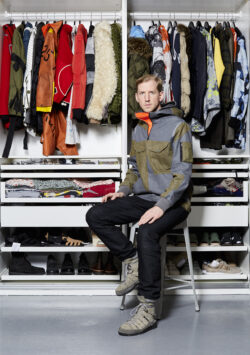
Remade Reduced Recycled is the Christopher Raeburn mantra. For Fashion Open Studio, Raeburn will be hosting Raeburn Repairs, an open day of free repairs. Guests will be welcome to bring along their favourite items that are in need of a little TLC to be repaired and remade as good as new (if not better). “In a world of overconsumption and fast fashion, one of the most radical thing we can do as consumers is to keep our clothes in use for as long as possible,” says Raeburn. We couldn’t agree more.
DO SOMETHING
Fashion Open Studio is a global event and will include workshops, talks and studio tours around the world. Highlights include:
Melbourne, A.BCH will be sharing the transparency story behind their basics brand, with Cutpiece, a series of up-cycling workshops. Participants are invited into the studio to make a new item from old clothing, off-cuts or salvaged materials. Participants will be able to choose their own adventure and skill level by choosing one of three workshops to be held throughout Fashion Revolution Week.
And in Shanghai, LVMH-shortlisted designer Xu Zhi will be opening up his Chinese studio with a rare opportunity to see some of his production techniques and craft.
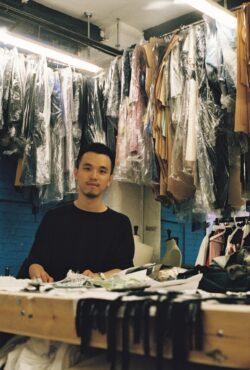
In Buenos Aires, Manto Abrigos will be hosting daily events at their showroom to talk about the stories behind their brand, the sociology of fashion, and the close connections with the artisans who make the clothes.
In Jakarta, Manual Jakarta presents Fashion Revolution Open Studio: Wilsen Willim, supported by British Council Indonesia and also Fashion Revolution Indonesia.
In New York and LA, Stella McCartney is celebrating her recent partnership with the consignment website The RealReal with in store events designed to inspire customers to care for, repair and prolong the life of their clothes so that they can have a second life as part of a circular economy.
Check out Fashion Revolution Open Studio events page for details of an event near you.
‘We want to celebrate the invisible process behind designers finished collections, the intimacy of a studio, the reality of the team, and see the people that make out clothes’ Orsola de Castro
‘This year’s Fashion Open Studio is such an exciting mix of creativity and new ideas. It is all about collaboration and making a different kind of fashion community. Open Studios is an opportunity to shine a light on a group of emerging designers – and some established trailblazers – who are finding alternative ways of producing fashion that is mindful of the makers, the planet, and its resources. They all work in very different ways and are at different stages in their journey but are united in their mission to make fashion better.’ Tamsin Blanchard, curator, Fashion Open Studio
Fashion Revolution Week, April 23-29 is a global campaign sparking a wider public conversation about the impacts of our clothes on the people who make them.
Fashion Revolution Week is here again and its mission remains unchanged: to campaign in a positive way for greater transparency in fashion supply chains. For a brand to be able (and willing) to publish details of its supply chains means that they are far more likely to be working ethically: safe, clean and fair. And knowing the true provenance of your purchases empowers you, the consumer, to make fully informed buying choices.
We’re not only willing and able to tell you about where and who our baskets come from – you can’t usually stop us shouting about the weavers and their incredible craft! We visit as many cooperatives as we can throughout the year and we’re in daily communications with most cooperative chairladies during the dry seasons when the weaving steps up a gear. It’s vitally important for us to build relationships and empathy with the people behind our baskets; to hear their stories and to see how they live. We hope that you enjoy hearing their stories, too.
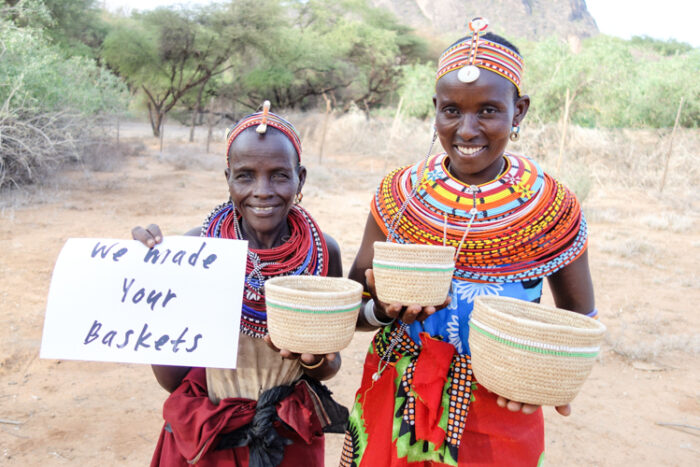
Spoiled for choice as we were for whom to feature in this blog post for Fashion Revolution Week (so many interesting and inspiring people to talk about), we have decided to tell you a little more about a weaver named Ntomulan Lesania, who makes some of our Nomadic Beaded Baskets from her home in rural Ngurunit, Northern Kenya.
Back in March 2017, Camilla headed out to meet the Ngurunit Weavers Group. These weavers are semi-nomadic pastoralists (herding camels, cattle, sheep and goats) known collectively as Ariaal: they don’t belong fully to either the Samburu or the Rendille tribes – Ariaal is a mixture of the two. The Ariaal people are known for their peaceful ways and their openness to compromise, merging characteristics from both traditions – in house building, in bead making and in handicrafts – and speaking the two tribal languages interchangeably.
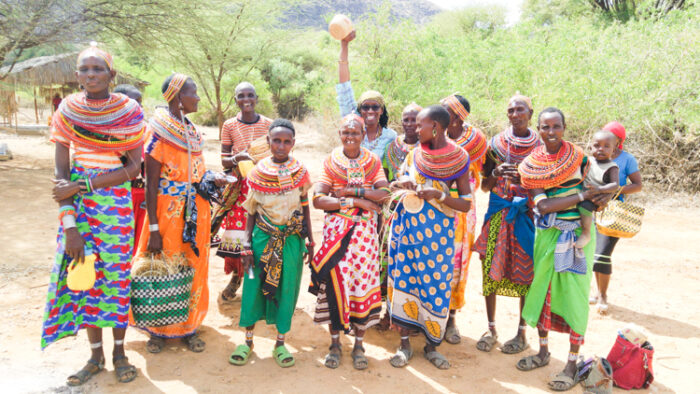
Ntomulan Lesania is a single mother: widowed, with six children aged between 3 and 18. She was her late husband’s second wife, and she had three children before marrying him – and then went on to have three more children with him. Here are some excerpts from Camilla’s interview with her:
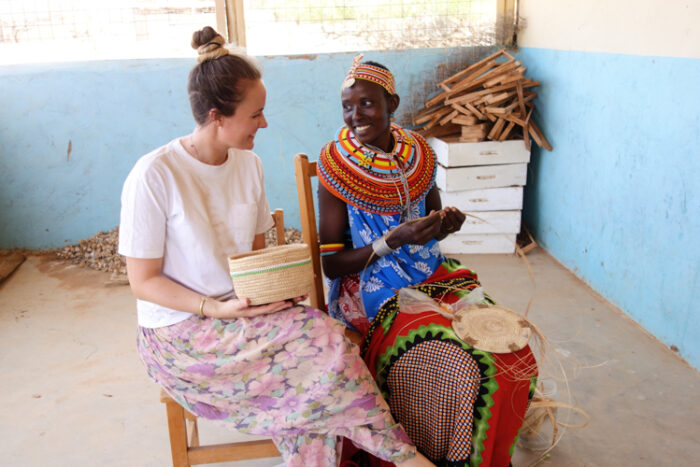
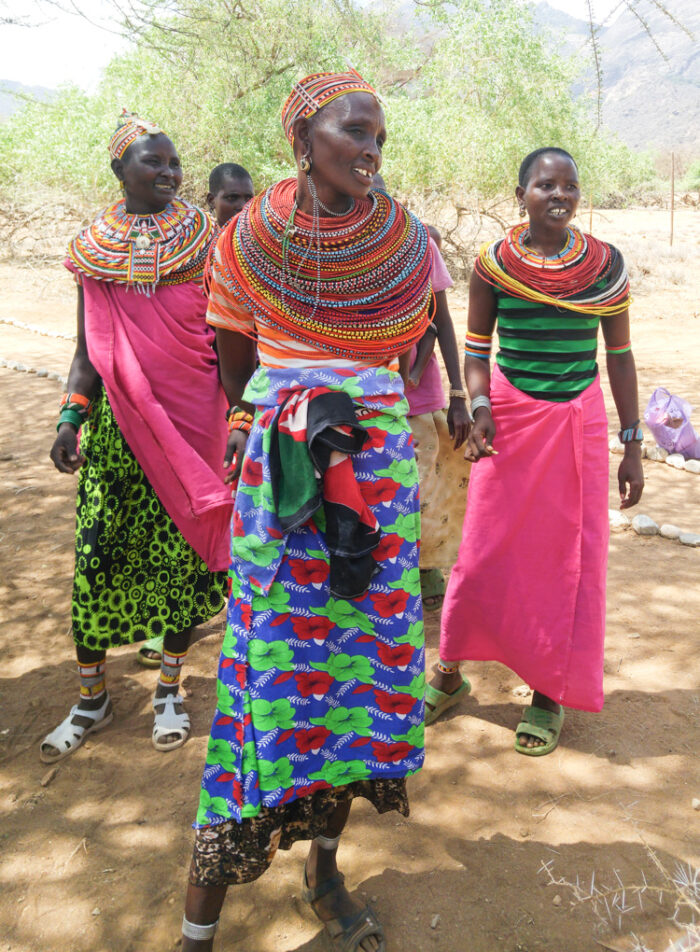
The multi-coloured layers of beaded collars, headdresses and earrings worn by the Samburu women denote not only marital status but also other clues as to a woman’s rank within the tribe. Beads, buttons and sequins in different colours can signify anything from her husband’s wealth to how many sons she has birthed.
Where did you grow up and did you go to school?
I grew up in Ngurunit. I didn’t go to school. Instead, I looked after the animals in my family: goats and camels.
Do your children go to school?
Four of my six children go to school. Two boys, and two girls. The youngest two look after the family animals. I have to pay for them to attend school. Primary school is free, but secondary school is fee-paying.
Not all the children here go to school. Children who are especially good at looking after the animals will usually stay home, whilst their siblings might attend school. Sisters from the same families will sometimes be dressed differently: those who were educated will often wear more Western clothes, whilst their siblings who did not attend school wear traditional Samburu beads.
How do you make the money to pay for schooling?
I make money through basket weaving, and selling livestock, and goat and camel milk. We receive camels when we get married and we invest in livestock when we save enough money. The current drought means that livestock are dying, however. There is more drought in the area than ever before. If there are one or two failed rains, this is considered a drought, and life becomes hard for people and their businesses. Since 2006 there have been no consecutive years without drought. Recovery from a drought can take up to a year.
Life has changed considerably for Ariaal women in recent years. In this rural region of Kenya where milk is precious currency, women are now allowed to own milk-producing camels as well as milk itself. When Camilla visited in March 2017 the drought was very bad and governmental parties were slaughtering cattle to be eaten by their owners, then paying the owners for the value of that animal. This is a scheme called Food Relief, and serves the dual purposes of putting the animals to good use so that they do not starve, and feeding the people without seeing them out of pocket.
How long have you been weaving for and how did you learn?
I saw my older sister weaving, and learnt the art from her. She was only just married at that time, so still a teenager.
How does the income from the weaving help support your family?
The income from weaving helps me to buy food, pay school fees, and pay for school transport.
What makes you happy?
When my kids are around me, and we have no problems. When I am able to feed them all, and when they are happy.
What do you feel would help women to overcome the barriers they face in the working world?
More basket orders. Money helps to solve problems here. We need to earn a living.
Do you feel successful being part of a growing weaving cooperative?
Yes. We are all proud! This group is important to me: it gives me support. I am a single mother, and I get help from my friends. If I have an order to deliver, for example, my friends will help me with the children.
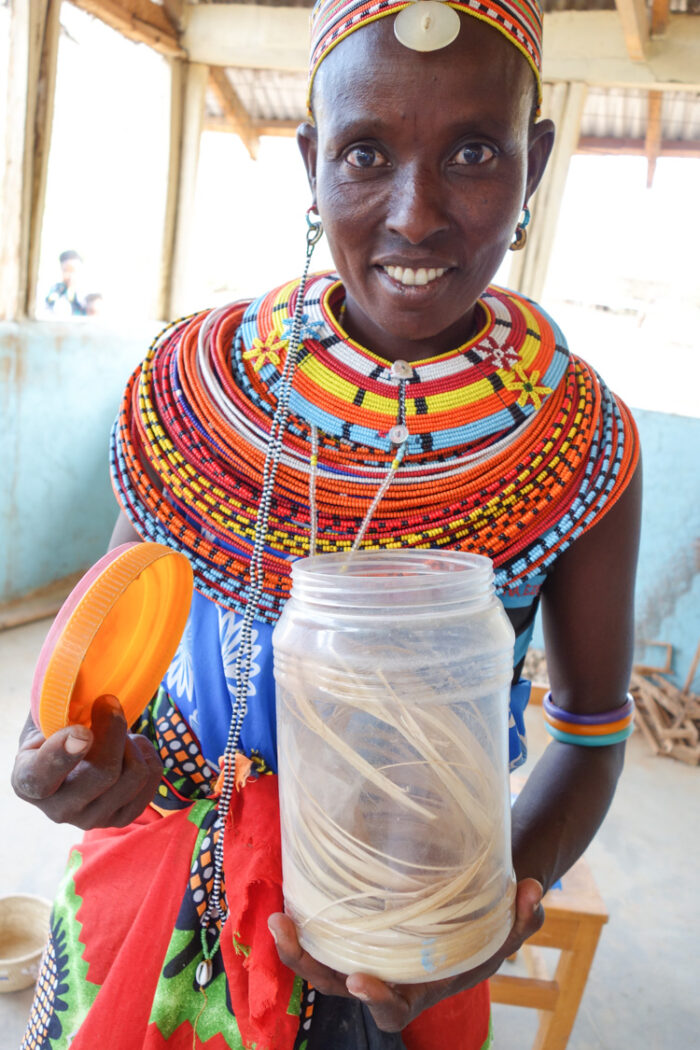
Ntomulan’s woven baskets – the Pambo Palm collection – were traditionally created by the Rendille people as vessels for collecting camels’ milk.
Fashion Revolution Week falls on the anniversary of the Rana Plaza factory collapse, which killed 1138 people and injured many more, on 24th April 2013. During this week, brands and producers are encouraged to respond with the hashtag #imadeyour… (insert product) and to demonstrate transparency in their supply chain.
Five years after the deadly Rana Plaza building collapse in Bangladesh, workers and union activists say despite the massive demand from workers for union representation to achieve safe workplaces, worker-organizers must face down threats, harassment and violence to educate workers about their rights on the job.
Since the April 24, 2013, tragedy in which more than 1,130 garment workers died and thousands were injured, the government has approved a little more than half of the garment unions that have applied for official registration, according to Solidarity Center data. Confronted with employers and a government hostile to worker organizations, worker-organizers have sometimes risked their lives to help workers improve wages and working conditions.
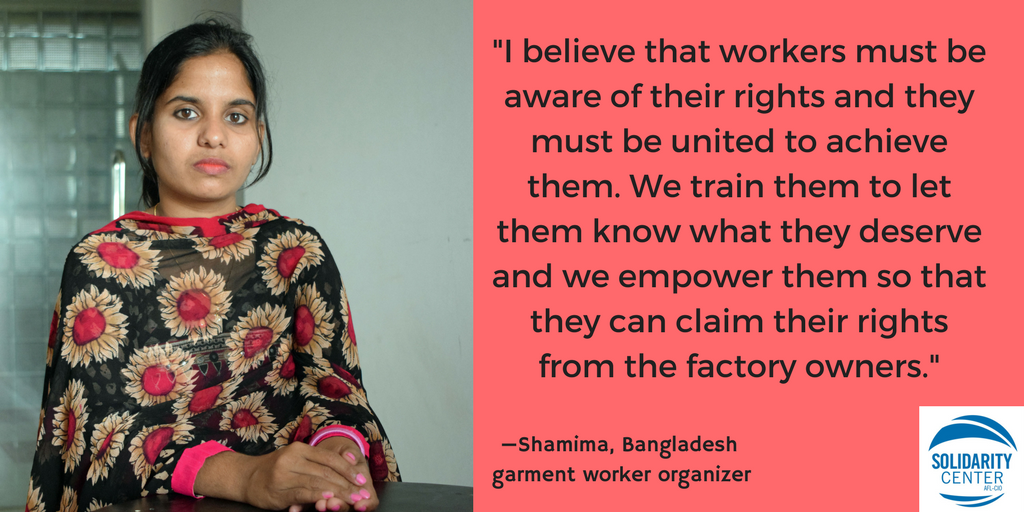
Shamima Aktar, a garment factory worker and organizer with Bangladesh Garment and Industrial Workers’ Federation (BGIWF), is one of them. During a meeting with management at a newly unionized factory, managers refused to grant a demand made by the factory union that salaries be paid on a timely basis. Instead, Shamima and the other union representatives were locked in the building and beaten, she says.
“But what moved me was that hearing about our abuse, 17 trade unions around the community immediately came to our aid and barricaded the whole factory which we were in. The workers needed us on their side to be able to live in peace and I wish to [keep organizing] no matter how difficult it is for me,” she says.
Through persistence and courage in the face of daunting odds, worker-organizers have helped garment workers form unions despite the severe obstacles. In Bangladesh, more than 200,000 garment workers at 445 factories are represented by unions that protect their rights on the job.
“I have worked day and night, went to gates of factories to talk to the workers, walked with them to their homes to earn their trust and to make them aware of how they are being exploited and deprived of their rights,” says Monira Akter, an organizer with the Bangladesh Independent Garment Workers Union Federation (BIGUF). “So far, we have united 2,250 workers into trade unions, and they say that we give them courage and hope. For me, these words are enough to encourage me to work on for them.”
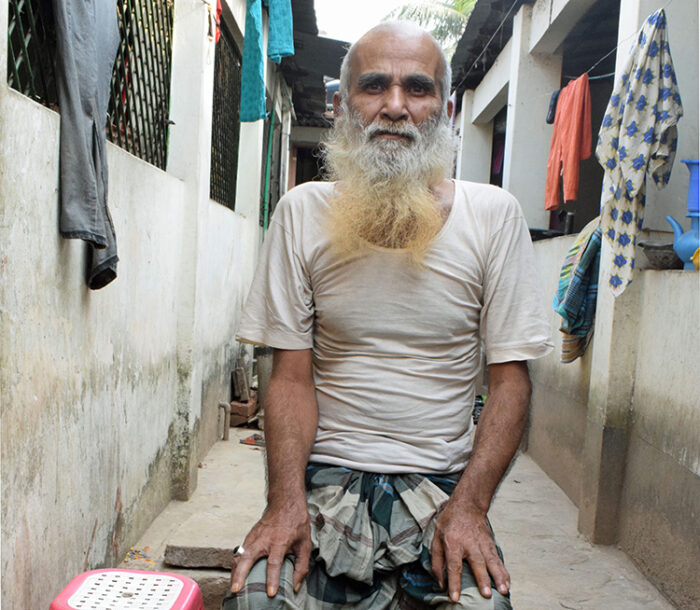
Abdul Hashem – father of worker killed at Rana Plaza
Poverty Wages, Safety Improvements
Wages in Bangladesh are the lowest among major garment-manufacturing nations, even though the cost of living in Dhaka is equivalent to that of Luxembourg and Montreal. The country’s labor law falls far short of international standards, and the Bangladesh government has failed to enact meaningful legal reforms, including addressing the arbitrary union registration process that is vulnerable to employer manipulation. Without a union, garment workers often are harassed or fired when they ask their employer to fix workplace safety and health conditions.
But due to international action after the Rana Plaza disaster, which occurred months after a deadly fire at Tazreen Fashions Ltd. factory killed 112 mostly female garment workers, a variety of efforts to prevent unnecessary deaths and injuries due to fire or structural failures—including the Bangladesh Accord on Building and Fire Safety—have remedied dangers at more than 1,600 factories.
Abul Hashem – father of worker killed at Rana Plaza
The Solidarity Center has trained more than 6,000 union leaders and workers in fire safety, helping to empower factory-floor–level workers to monitor for hazardous working conditions and demand safety violations be corrected.
Such international attention has opened up space for workers to collectively demand—and win—improvements on the job, says Monira.
“I am proud that we have been able to create leaders among the workers by organizing them into trade unions. In the past this would have been close to impossible.”
Iztiak, an intern in the Solidarity Center Bangladesh office, interviewed the worker-organizers in Dh
Following the Rana Plaza collapse in which 1,134 garment workers were killed and thousands more injured in Bangladesh, the horror of the incident spurred international action and resulted in significant safety improvements in many of the country’s 3,000 garment factories.
But five years after the April 24, 2013, disaster, Bangladesh garment worker-organizers say employers often are not following through to ensure worksites remain safe, and the government is doing little to ensure garment workers have the freedom to form unions to achieve safe working conditions. Since the Tazreen factory fired that killed 112 garment workers in 2012, some 1,298 garment workers have been killed and 3,875 injured in fire-related incidents, according to Solidarity Center data.
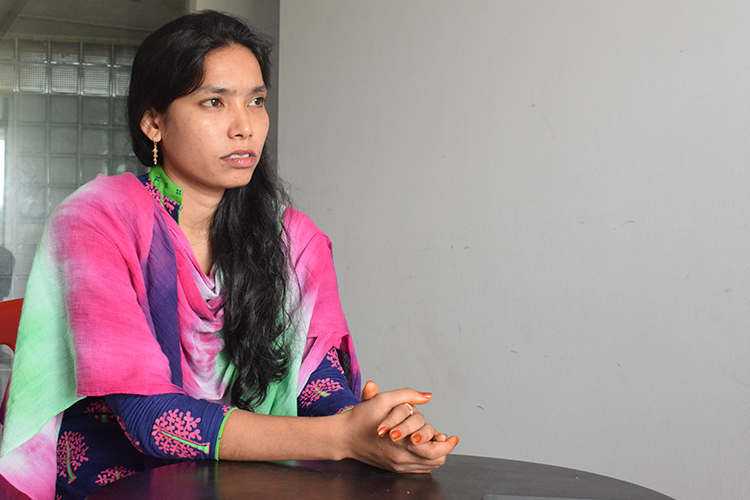
“Pressure from the buyers and international organizations forced many changes, says Tomiza Sultana, a garment worker-organizer with the Bangladesh Independent Garment Workers Union Federation (BIGUF), among them less interference by police and factory management. “ We organized trade unions, recorded complaints and trained many workers.
“But five years after the tragedy, the police and local leaders are supporting the factory owners and harassing us and anyone who wishes to come to us. They have forgotten the lessons of the disaster,” she says.
A Disaster that ‘Cannot Be Described in Words’
“I can vividly recall that day. I can still see the faces of families who were looking for the bodies of their loved ones by only holding their photo ID,” says Nomita Nath, BIGUF president. “This disaster cannot be described in words.” The multistory Rana Plaza building, which housed five garment factories outside Dhaka, pancaked from structural defects that had been identified the day before, prompting building engineers to urge the building be closed. Garment workers who survived the collapse say factory managers threatened their jobs if they did not return to work.
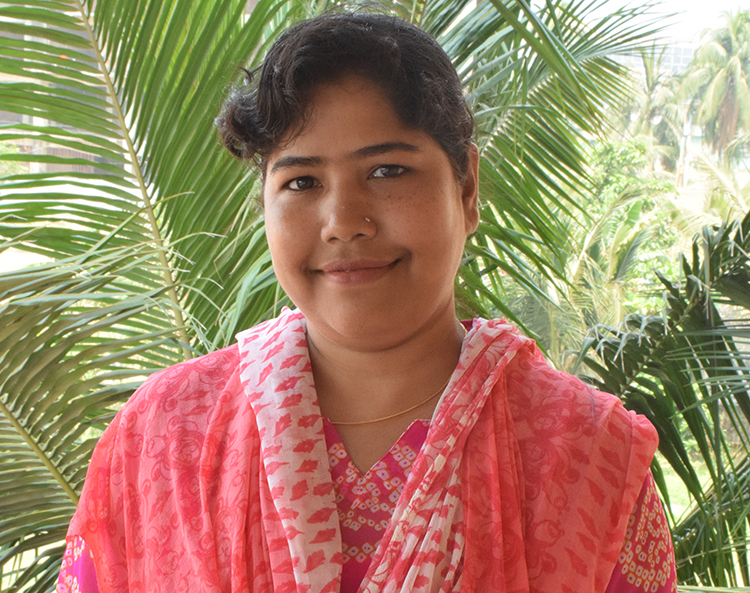
Ziasmin Sultana, a garment worker who survived the collapse, recalls managers telling workers on the morning of April 24 the building was safe even though “the previous day, we had seen cracks [in the building] form right in front of our eyes.” Shortly after starting work, the electricity went out and the building began to shake.
After packing into a crowded stairwell to escape, Ziasmin says she found herself falling. “Everything happened in an instant and it was dark everywhere. When I came to my senses, I realized that three of us have survived and everyone else around us was dead.”
“The world saw how much our lives meant to the owners of these factories,” says Nomita. “They did not care about our lives. They only cared about meeting production targets.”
In the wake of Rana Plaza, which occurred months after a deadly factory fire at Tazreen Fashions killed 112 mostly female garment workers, global outrage spurred several international efforts to prevent deaths and injuries due to fire or structural failures. Safety measures were instituted at more than 1,600 factories.
Hundreds of brands and companies signed the five-year, binding Bangladesh Accord on Building and Fire Safety which mandated that brands and the companies they source from fix building and fire hazards and include workers in the process. Many of the signatories recently have signed on to the renewed three-year agreement that takes effect in May. Extending the Accord guarantees that hundreds of additional factories will be inspected and renovated.
Workers Still Struggle to Achieve Safe Workplaces
In a recent series of Solidarity Center interviews, garment worker-organizers from several national unions applaud the significant safety improvements but warn that employers are backsliding. And workers seeking to improve safety in their factories often face employer intimidation, threats, physical violence, loss of jobs and government-imposed barriers to union registration.
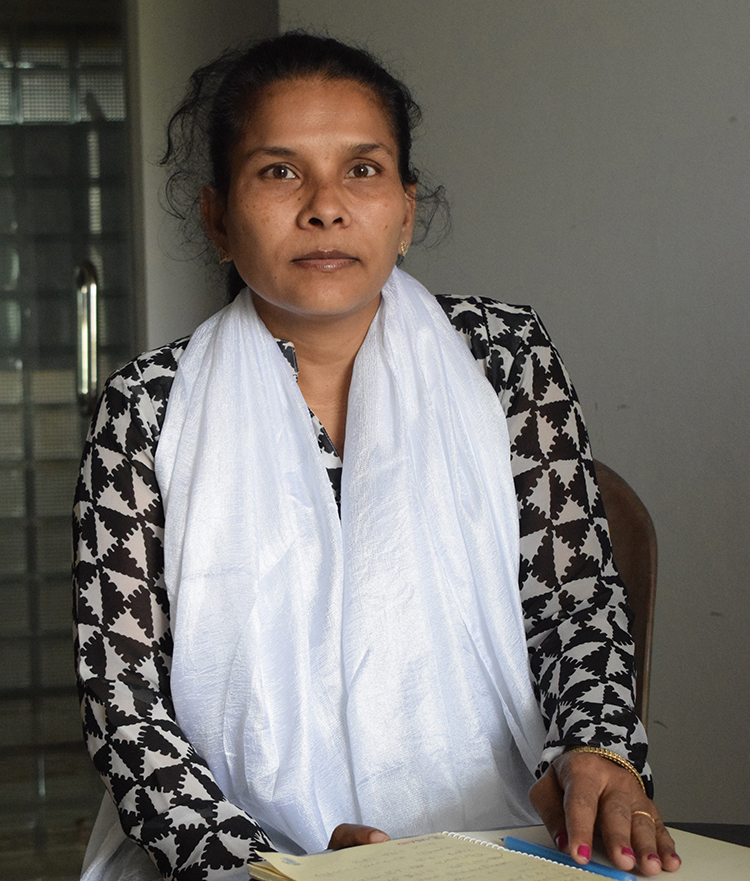
“The Accord contributed to ensuring the safety of the factories, but there is a lot of other work that needs to be done,” says Khadiza Akhter, vice president of the Sommilito Garments Sramik Federation (SGSF). She and others interviewed say factories are not regularly inspected, employers do not ensure fire extinguishers and other safety equipment are properly maintained, and safety committees sometimes only exist on paper.
“We are now working in this area for maintaining the standard of fire safety. This is a big task in coming future,” Khadiza says.
The Solidarity Center, which over the past two decades in Bangladesh jump-started the process to end child labor in garment factories and served as a catalyst in the resurgence of workers forming unions, in recent years has trained more than 6,000 union leaders and workers in fire safety. Factory-floor–level workers learn to monitor for hazardous working conditions and are empowered to demand that safety violations be corrected. Many workers, in turn, share their knowledge with their co-workers.
Bangladesh at a Crossroads
Accounting for 81 percent of the country’s total export earnings, Bangladesh’s ready-made garment industry is the country’s biggest export earner. Yet wages are the lowest among major garment-manufacturing nations, while the cost of living in Dhaka is equivalent to that of Luxembourg and Montreal.
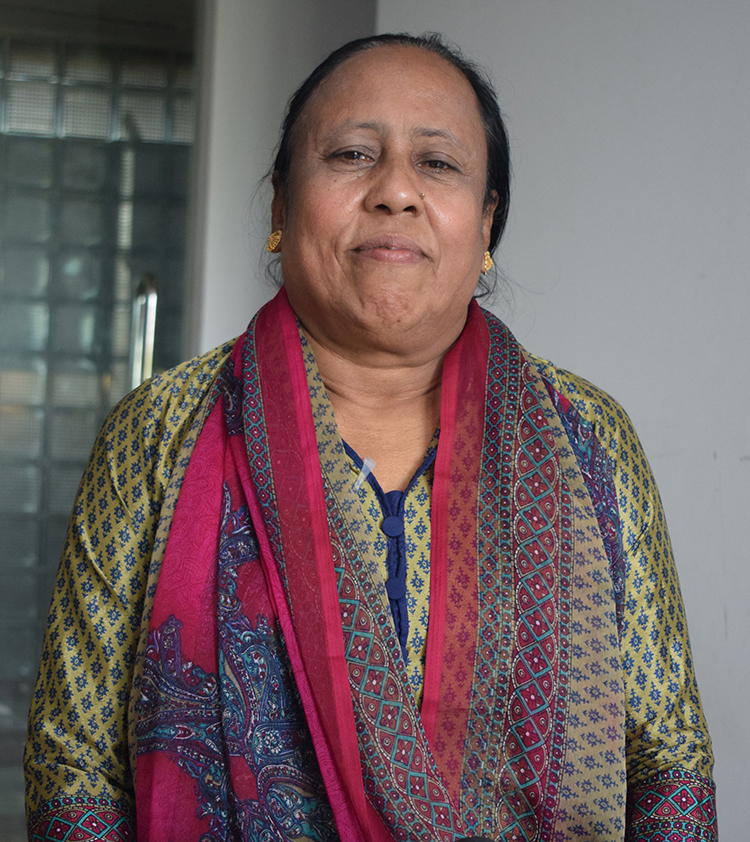
“The workers can barely survive with such low wages, as their house rents and even food prices have risen,” says Momotaz Begum, who has worked as a garment worker organizer with the Awaj Foundation since 2008.
Without a union, garment workers often are harassed or fired when they ask their employer to fix workplace hazards or seek living wages. Worker advocates say Bangladesh is at a crossroads—and they hope the government and employers choose a future in which Bangladesh workers are partners in the country’s economic success and treated with the dignity and respect they deserve.
But even in the face of severe employer harassment and government indifference, worker-organizers like Khadiza, Momotaz, Tomiza and Nomita, all of whom began working in garment factories as children or young teens, are helping workers join together and insist on their rights at work. Today, 445 factories with more than 216,000 workers have unions to represent their interests and protect their rights.
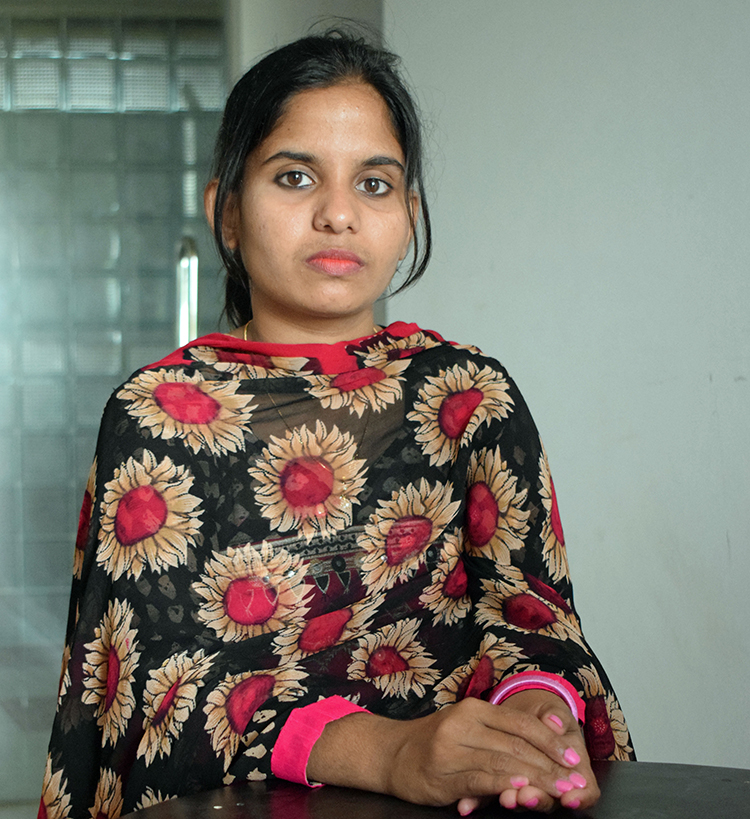
“I believe that the workers must be aware of their rights and they must be united to achieve them,” says Shamima Akhter, an organizer with the Bangladesh Garment and Industrial Workers’ Federation (BGIWF). “We train them to let them know what they deserve, and we empower them so that they can claim their rights from the factory owners.”
Iztiak, an intern in the Solidarity Center Bangladesh office, interviewed the worker-organizers in Dhaka.
Camper has collaborated with the Ethical Fashion Initiative (EFI) to create a limited edition collection produced entirely in Ethiopia, fusing African aesthetics with urban elements to create styles perfect for summer.
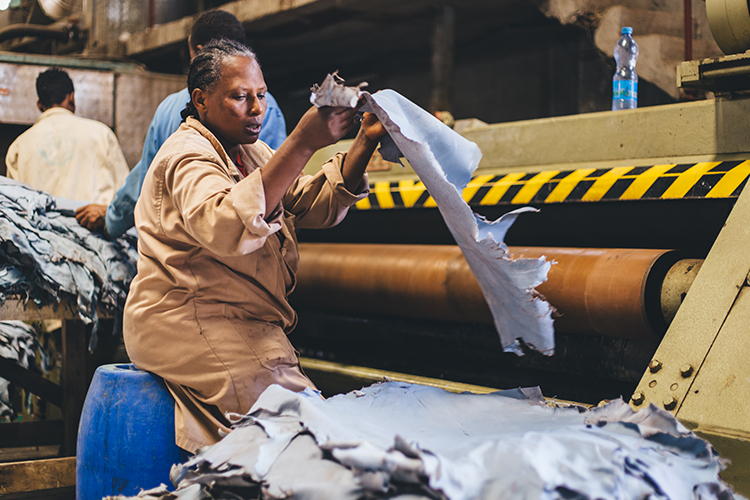
As the flagship programme of the International Trade Centre, the Ethical Fashion Initiatives goal is to empower micro-producers in developing countries by connecting them with fashion brands.
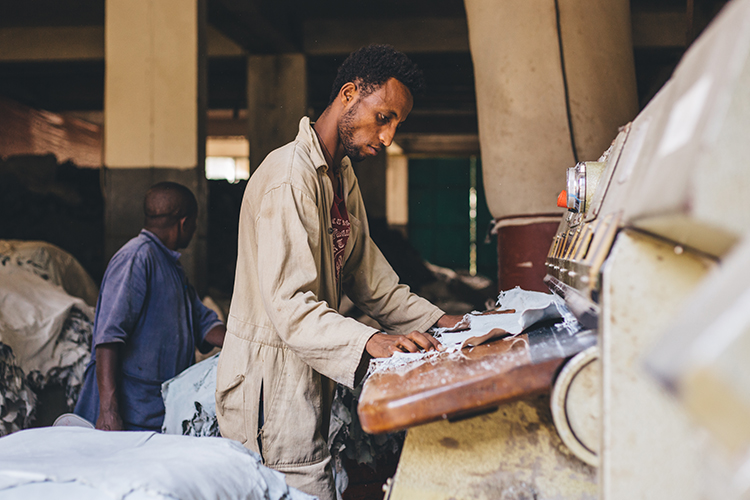
This partnership creates fair and dignified employment in Ethiopia while also minimising impact on the environment.
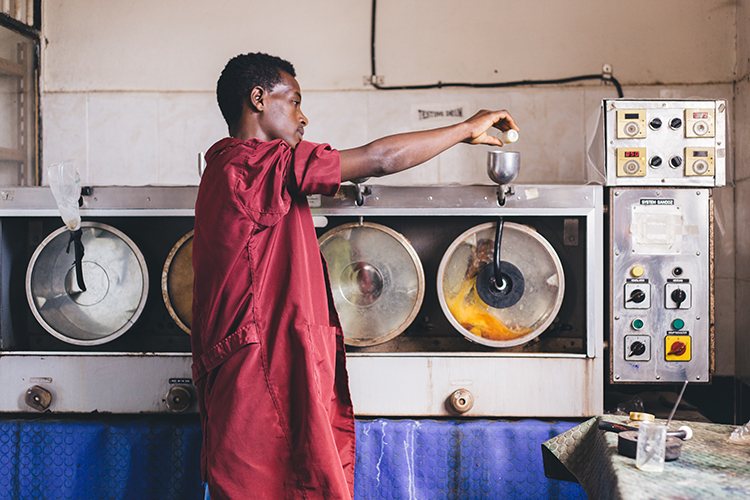
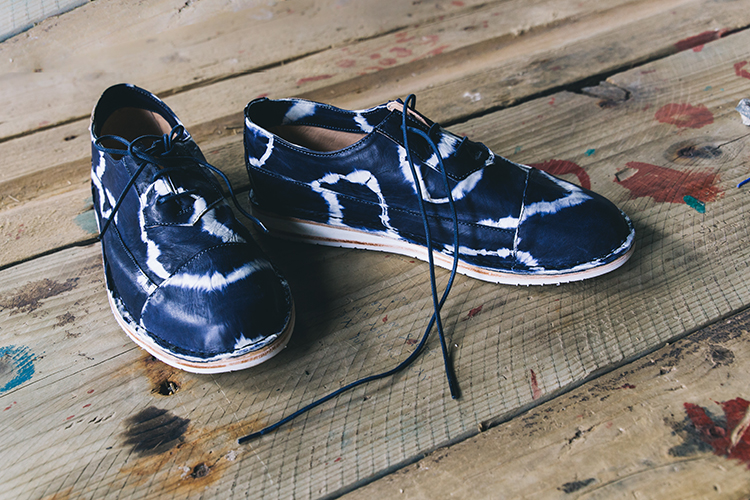
Reinterpreting Camper’s very first shoe Camaleon, artisans have given a sporty upgrade to two unisex options; a lace-up shoe and a sandal. Both styles incorporate East African handmade tie-dyed leather and feature a wedge sole of layered leather and white EVA.
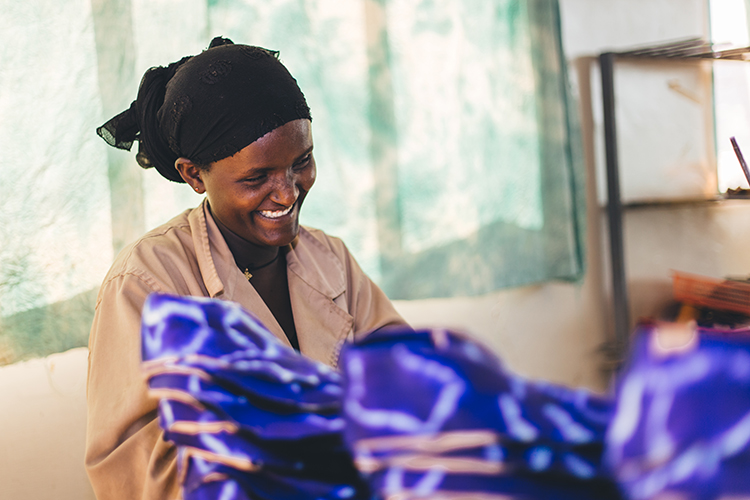
Through this mutual exchange of skills, Camper has supported the tannery to help improve its technical footwear development capabilities, whilst itself gaining access to skilled local artisans and their regional techniques.
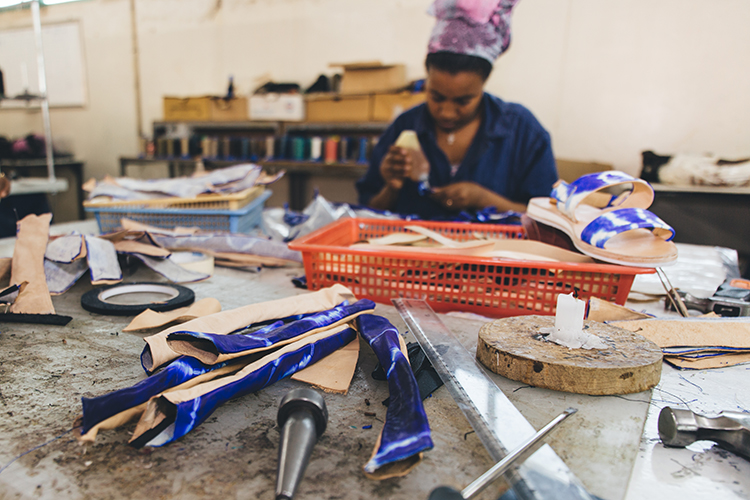
This collaboration, the second between Camper and the EFI, is also helping to improve workers’ access to employment, knowledge, and skills.
Written by Hanna Pesha
Mangosteen International Fashion Show Installation takes place every year simultaneously in San Francisco and Singapore. According to Reve, the organization behind the event, “Six international designers presenting their main collections, followed with fashion installation by six creative teams lead by immersive fashion designers, who choose to follow their dream through collaboration in a contest style.” Though the theme of the fashion event is innovation there are several streams of the anachronistic that run through the design concepts. As models parade down the animated runway at Hack Temple in San Francisco I feel I know something of the stories behind the garments they wear. It is as if the old is becoming new again. This tendency is gaining traction and can be witnessed in the “slow” movement that started at the turn of the century in Japan. It emphasizes the beauty and practicality of rural ways and low consumerism. For example, the designer from the winning team belongs to Not Just a Label, a collection of clothing makers saying that instant luxury is the old way. “NJAL encourages designers to produce fashion that is sustainable and supports local communities and artisanal craftsmanship.”
This is a concept that participating designer Tuan Tran truly lives by. Tran grew up in Vietnam with his grandfather, Dao Trong Cam, who cared for artistry in everything he did. He taught his talented grandson to create kites and baskets from bamboo, taking every opportunity to teach his protégé, and if his work wasn’t up to snuff, gramps would yell at him. “You would sit there and have patience.” Tran explains, “Shave bamboo into thin pieces.” From this man he learned that life is not an easy thing, you have to take your time to make things perfect. The designer lived with his grandfather until he was thirteen years of age and he immigrated to the United States.
Tran continues to bring the traditional into his way of making. He used to teach flower arranging: Ikebana. He exalts in “beautiful Mother Nature,” and speaks poetically about the changing color of leaves and how the landscape offers him inspiration. “You are walking on beauty and don’t even know it. Mother Nature has a funny way to put things. She is very creative and artistic.”
His collection is a line called Wire Wear; he repurposes discarded telephone wire into fantastical sculptured garments. Tran explains that before the wireless cellphone these colorful strands were used to carry our voices to one another over distance. They exist in a pallet of twenty-five pairings of hue, which let the construction splicers know which lines go where, when installing telephony.
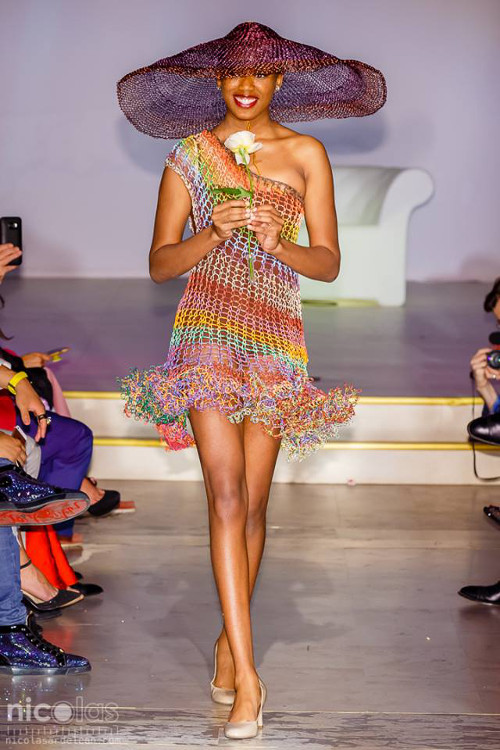
“These artistic colors are very vibrant. Red and yellow, purple and red.” Tran bubbles. “People don’t realize until you pull it out of the ground.” He gives me a history lesson about how six years ago lots of companies moved over to fiber optic, and every building that was remodeled they would pull all that old wire out of the walls. Currently the wire is mainly melted down for copper, but this pollutes the air. Tran, finding it very beautiful decided to use it to create wire sculpture. A friend suggested making a dress, and so Wire Wear was born.
The story of how he procures his medium is quite as exciting as the pieces themselves. I ask him how he gets the wire. He gleefully explains that he goes dumpster diving! It is quite a process to get the wire separate. It’s a time consuming job that he does out of love. He does not work from a pattern, but figures it out as he goes, and each piece takes three months to make. Knotted netting is the technical term for the process he uses to weave the wire into dresses. In the old days it was a technique used to make fishing nets. “I’ve always been very sustainable, and liked to buy used clothes,” exclaims the designer. We discuss using digital printing in fabric creation. He tells me how designers can print a small amount of material and make their own clothes. It is unnecessary to print a thousand yards. He intimates that most garments are made in the thousand and in reality only ten percent are sold. Such waste boggles the mind.
To Tran, fashion is a form of art. He would like to provide each one of his customers with a completely original piece; his work is never mass produced. The team that came out first in the Mangosteen competition glorifies the assembly line in a way.
It features a line of clothing called Working Class Heroes. The clothing line features an eye catching take on the factory coverall. Designer Clivia Nobili drew up the designs with her mind bent on honoring working people. Nobili is a French designer and she is intent on transmitting the message that fashion is not instant beauty. One of her greatest influences is the writer Jack London. She was especially impacted by his first hand descriptions of early 1900s London factory and tenement life in his book People of the Abyss. This is not to say that her garments are not luxurious. She uses high quality linen and cotton made in France. The garments are constructed with freedom and comfort in mind and many include an internal belt which can be tightened at whim. She pays attention to the ethics and values human life in the manufacturing process.
Runner up is team Ethereal Illusion. They take to the Mangosteen theme, including the fruit in a headpiece for the outfit. The young student designers are Mellisa Dulanto and Isis Bryant. Dulanto herself models the dress. Their enthusiasm is contagious as they describe their ethics, as well as their creative process. They value sustainability in fashion, and believe that how garment workers are treated affects us here in the United States. Isis speaks spiritedly about how workers are paid pennies on the dollar for their stitches, and the fashion industry as a whole should step up and help those folks on the assembly line gain the knowledge they want to become creative actors in their own right.
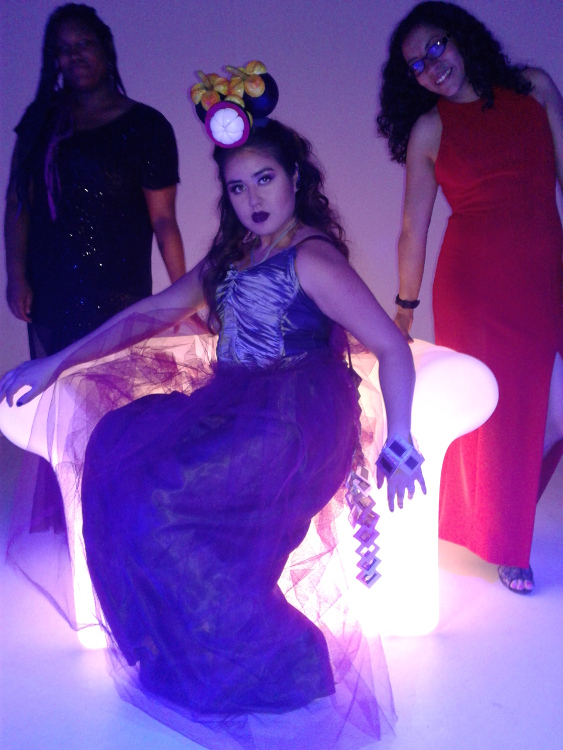
The dress they dream up is a magnificent confection of silk taffeta and tulle. The dress is fashioned from a recycled vintage piece and adorned with diamond inspired decorations made of antique slides. The overall effect is angelic with an edge. The slides are very old and delicate and the designers handle them with great care, choosing them with discernment and framing them in glass and metal. Isis is an abstract designer and this influences the way she chooses her images. As I look closer I can see that many of the slides feature classical Italian and Greek works of art, adding to the exquisite intricacy of the piece. The designer duo speak of their love for thrifting and finding beauty in something that had been cast off. They endeavor to shed light on the forgotten, even though it often takes hours to find each piece of the puzzle for the end garment. Each item they create is one of a kind, something they share with Tuan Tran along with the willingness to put in time until they get it right.
Isis sports earrings made from similar slides and choses to keep the dates intact on the labels, as part of the process of preserving history in the wearable art items. She also speaks of learning to use new tools, such as a drill when attaching the slides to the gown. Isis intimated that she had been on track for law school before submitting to her love of fashion to which she felt distinctly directed.
Overall Mangosteen is an event honoring high fashion and technical innovation. At first I am a little worried that I will not find the currents of designers honoring workers’ rights and sustainability, but I discover them there, and feel vindicated that these are the themes of true innovation. I speak with one designer, Eysha Anchietta who tells me solemnly that the colors of her ensemble brown and white represent respect for the earth and purity of intent. Her hands are adorned with golden arrows and I imagine these visionary artists looked into the future from the bow of tradition.
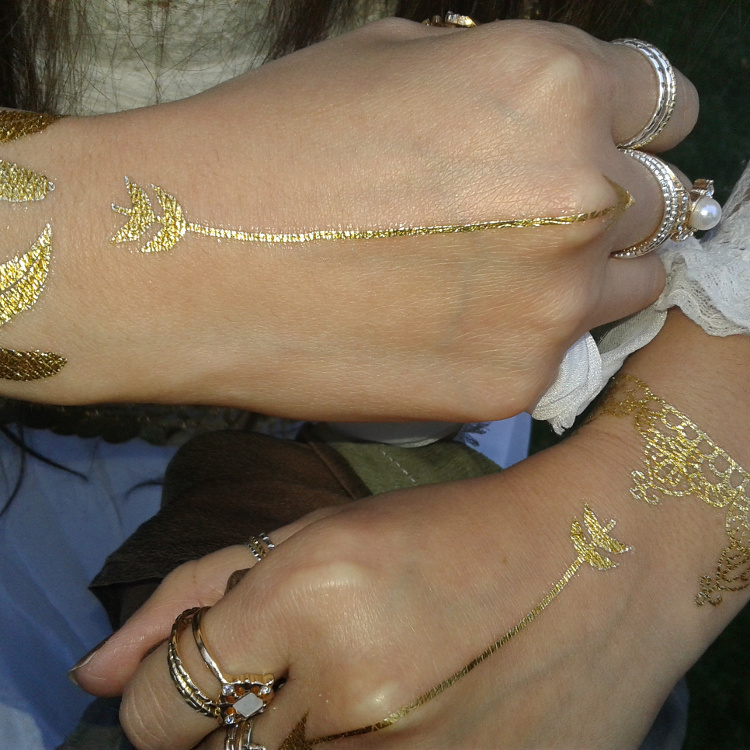
Photo credits:
Designer Tuan Tran (for the hat image)
Designer Tuan Tran. Model Lani Williams. Photographer: Nicolas Ardelean (for the wire dress image)
Designers Mellisa Dulanto and Isis Bryant. From L to R Creative Director Rachael Theuret, Mellisa, Isis. (for 3rd image)
Designer and Model Marina Petrova.(For the hands)
Based in Los Angeles, Osei-Duro’s rich identity is strongly linked to Ghana and its textile history. We caught up with its co-founder Maryanne Mathias to discuss the challenges of building a sustainable value chain in Ghana while reviving crafts and building on existing skills.
What led you to create an ethical fashion brand in Ghana?
I studied fashion design in Vancouver, Canada and had a small hand dyed clothing line based out of Montreal. At that time I was designing, sewing, and dyeing all the clothing on my own. After a certain time I grew frustrated with the clothing industry and decided to leave it and travel the world. Inspired by the textiles in the countries I visited, I ended up designing capsule collections in Ghana, Morocco, Egypt and India. Ghana was the first country I visited, and it drew me because of its rich cottage textile industry that had so much opportunity for growth and development. It is also English speaking and has a relatively stable economy, and is peaceful.
Tell us more about your background.
I attended the Vancouver Waldorf School (from Kindergarten to 12th grade) where the focus was on “learning with the head, heart, and hands”. We did a lot of handicrafts like natural dying, knitting, weaving, woodwork, and ceramics, so I formed a solid foundation in artisan work. I then went on to study Fashion Design and Technology and formed my first company in my sophomore year.
Which materials do you use for your clothing? Where do you source them and are they sustainable?
We mostly use silk, rayon, and cotton. We source our cotton from Ghana, but since the cotton mill closed down, we are looking for an ethical international supplier. Our silk and rayon come from India and China. It is our goal to insure all our fabrics are made in audited factories, but we have limited resources and can only focus on one thing at a time.
Do you work with chemical or organic dyes?
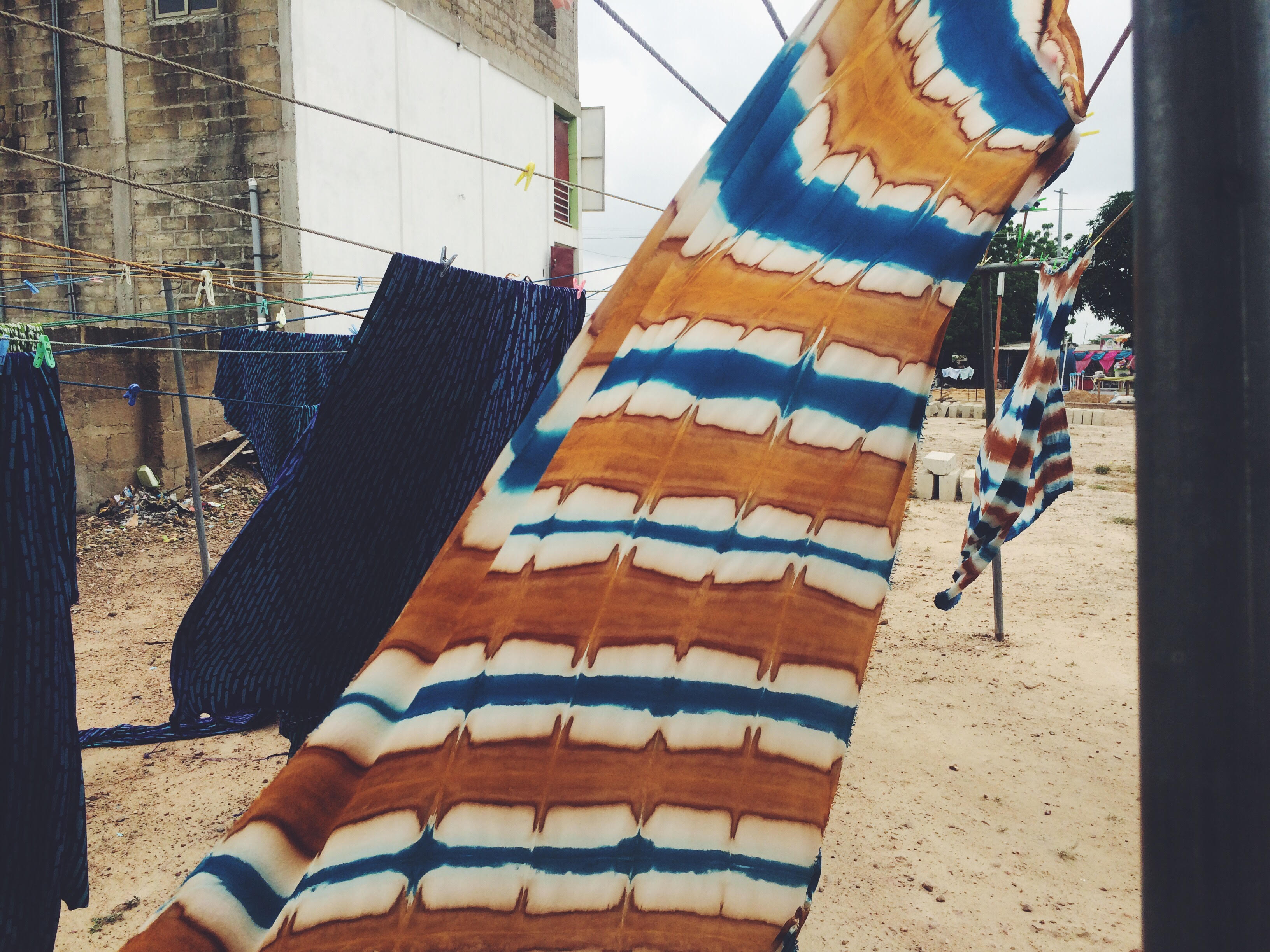
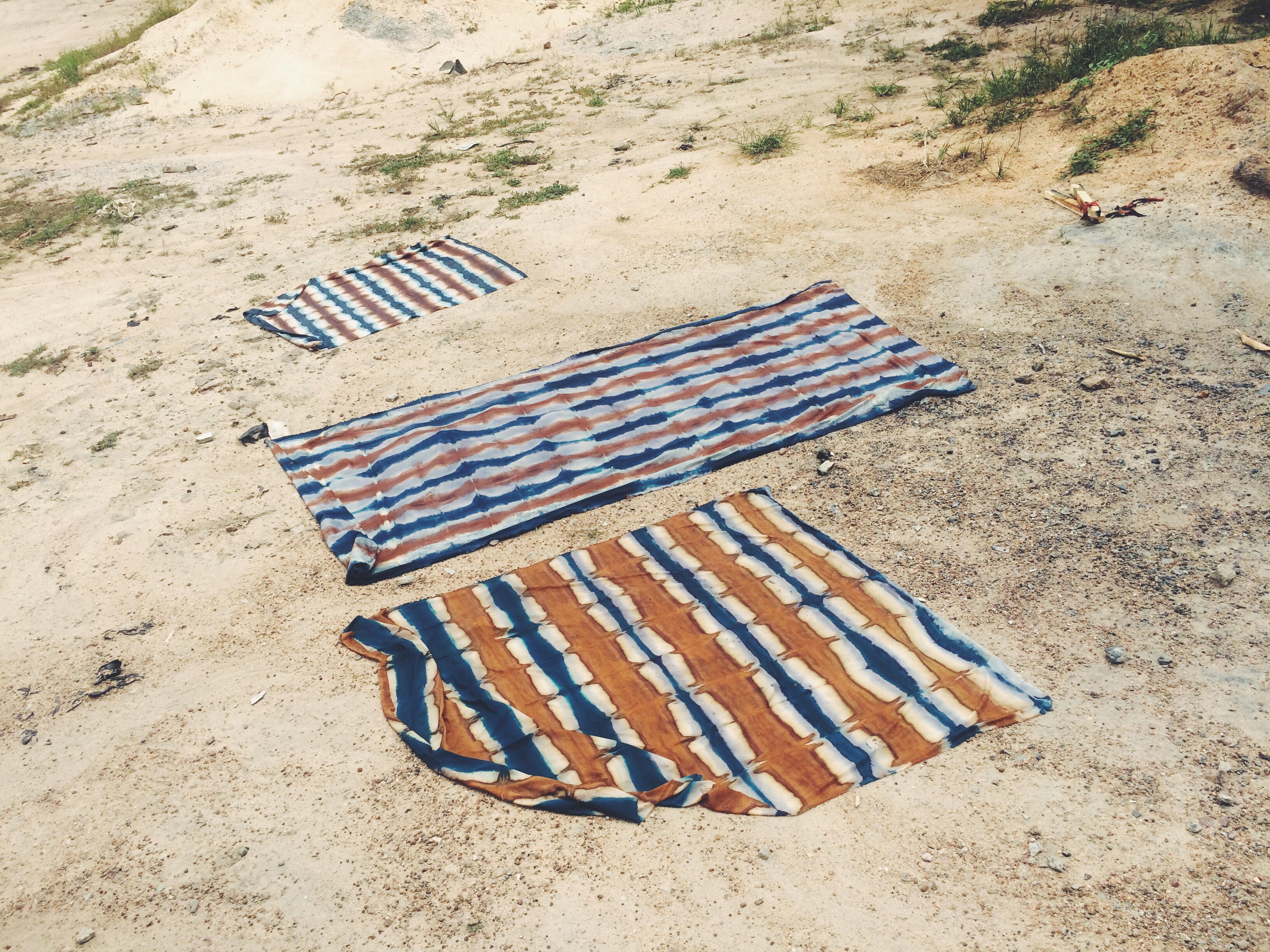
We work with both chemical and organic dyes as they do different things. However we are super excited about developing more organic dyes to use in our upcoming collections. Currently we use indigo from the north of Ghana, and onion skins leftover from roadside restaurants and the vegetable market. We introduce a new natural dye every season and for AW17 we are using cutch, it has the most amazing army green colour on silk.
How do you decide which material is best for a collection?
Based on what we are trying achieve in a particular garment.
You recently expanded your production to Peru, tell us more about that. What was missing in Ghana?
Our main focus is to develop the export garment industry in Ghana. But we need our sales to be strong in order to achieve this. By adding warm alpaca sweaters we were able to increase sales for the fall/winter seasons, which then helped us keep our batikers, weavers, dyers and sewers in Ghana working.
What are your thoughts on mass production of fashion in Asia?
We try to support a fashion industry where people are able to buy less items, but of better quality and more integrity.
How would you describe your collections?
Our collections generally include a range of hand dyed wax resist batik prints, hand-woven cottons from the north of Ghana, hand-dyed natural indigo, and cotton or alpaca sweaters from Peru. We also use block printing from India, and are excited to bring the technique to Ghana soon.
What are the challenges you have come up against in your journey in running an ethical clothing brand in Ghana?
Getting consistent quality from our artisans and sewers.
What contribution do you hope to make in the ethical fashion ecosystem in Ghana?
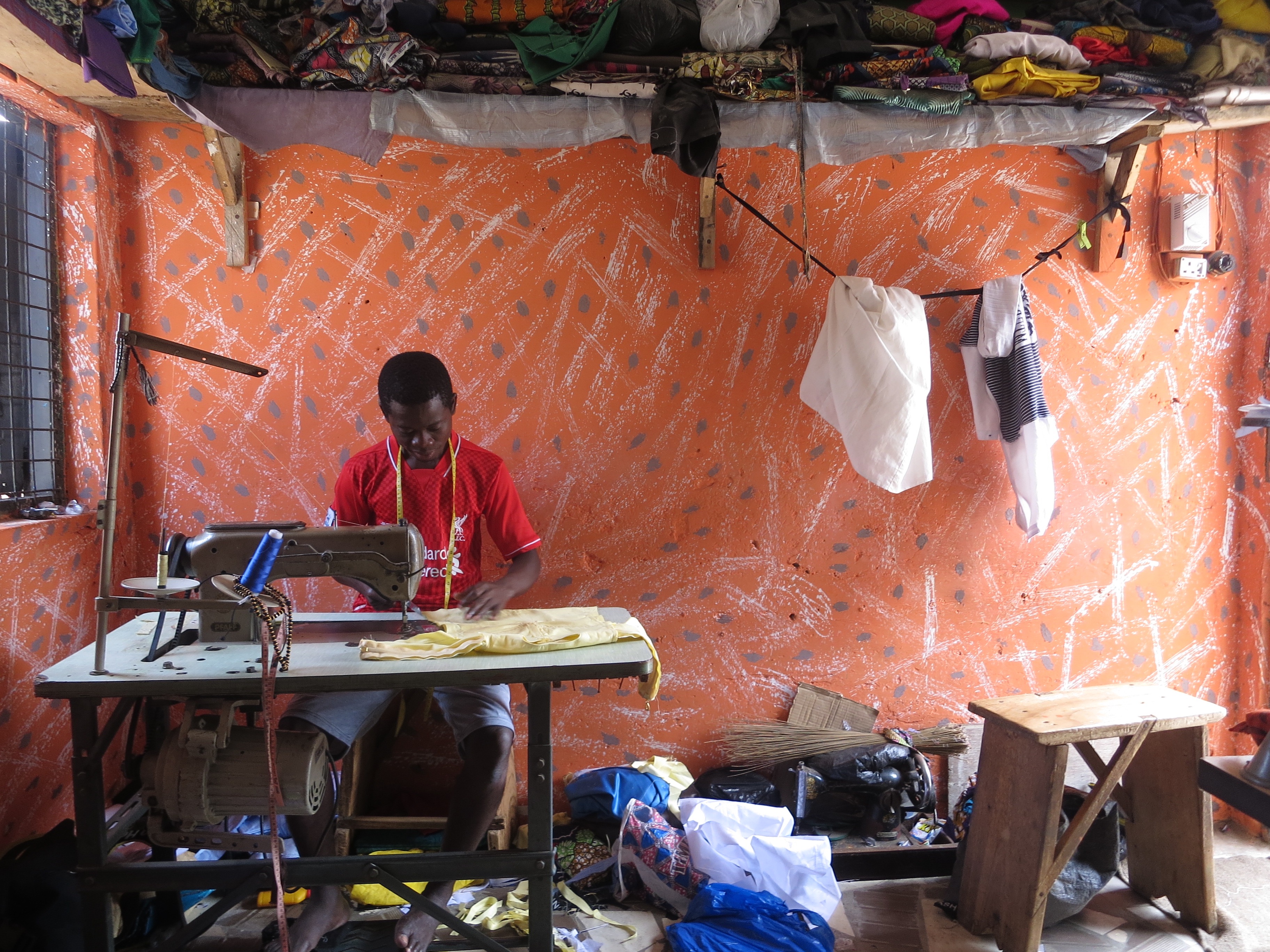
We want to build the ethical fashion garment industry in Ghana. As it is we were the first brand to do batik on silk and rayon, and now there are a bunch of other companies doing it. So that’s a win. If more companies see what we are doing and come to Ghana to expand, then we are contributing.
What are your plans for the future?
Next up is expanding our natural dye library and workshop, and working much more with the weavers.
Any exciting news you would love to share about Osei-Duro?
We are super excited about our Spring/Summer 2017 collection and photoshoot, shot on location in Accra. Photos to come!
Photos – Courtesy of Osei-Duro
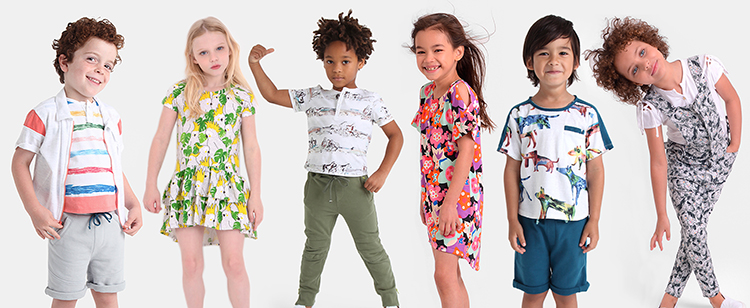
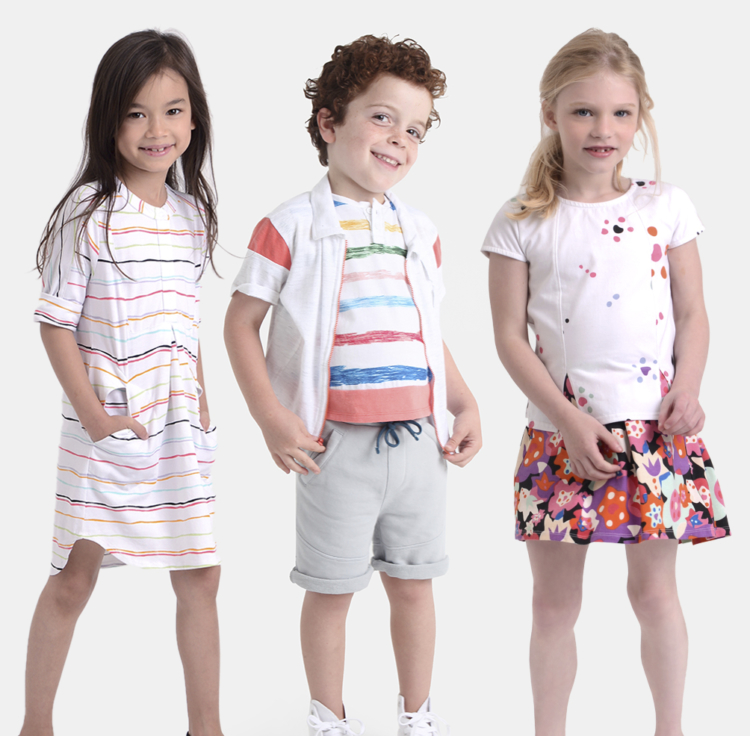
art & eden childrenswear is made by Texport Industries who run a number of social initiatives, trying to improve the lives of their employees and the towns in which they work. Some of their programs include providing additional vocational training for their garment workers, hosting free medical camps every quarter, running a free hospital and employing and supporting differently abled persons.
K. Sreenivasan, Tailor (31 yrs old)
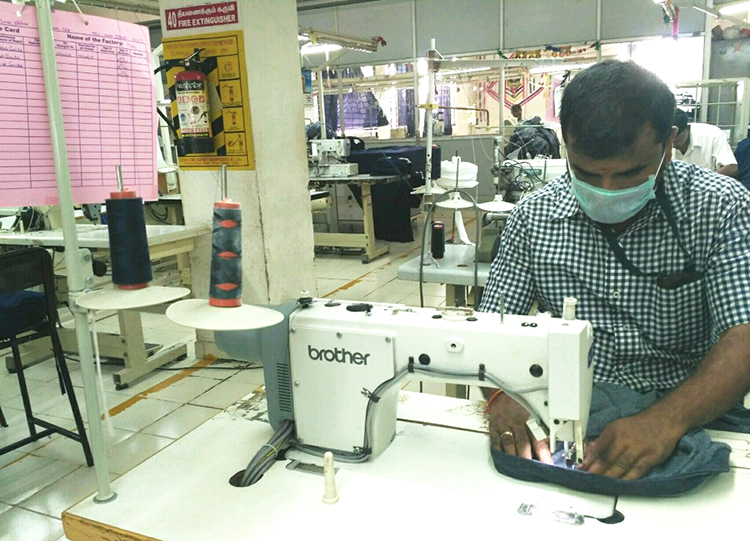
K. Sreenivasan has been working as a tailor at Texport Industries for over ten years. He lives with his wife, Vanitha Mani, and their two children.
Born in Sengottai, India, K. Sreenivasan grew up with his parents and went to a government run school in their town. He later moved to Tirupur to help his grandfather with agricultural work while attending the local government high school.
Similar to the disparity between public and private education in the United States, a large learning and resource gap exists between government run and private education in India. In most cases, if a family can afford to send their children to a private school, they do. As Vikas Bajaj and Jim Yardley reported in their New York Times article on Indian education:
In India, the choice to live outside the faltering grid of government services is usually reserved for the rich or middle class, who can afford private housing compounds, private hospitals and private schools. But as India’s economy has expanded during the past two decades, an increasing number of India’s poor parents are now scraping together money to send their children to low-cost private schools in hopes of helping them escape poverty.
Many government schools struggle to provide adequate electricity, functional resources and educational resources, let alone small class sizes and high quality teaching.
Thus, when K. Sreenivasan joined the workforce instead of going to college at the age of 20, it was a natural next step for him. His parents later joined him in Tirupur and helped him get a job as an office boy. Soon after, he was introduced to Texport Industries where he was hired as a tailor helper. He told us, “Gradually I learned the job of Tailor and gained a thorough knowledge of flatlock, overlock and singer work.”
He married his wife when he was 25 and they went on to have a son and daughter. Today, their son, Deebakkumaran, is eight years old and their daughter, Vidhya, is three.
Despite the lack of access to private education and opportunity, K. Sreenivasan keeps a positive attitude. He is optimistic about the future and finds joy in his daily life.
Every morning, K. Sreenivasan drops Deebakkumaran and Vidhya off at school before continuing on to work. He rides his two-wheeler scooter to the factory, a situation he calls “perfectly suitable because [his] residence is nearby, within 30 minutes!”
K. Sreenivasan takes pride in his work. He told us: “I am a very good tailor. I know flatlock, overlock and singer in all types of machines. [I also] support my team members to execute the buyer’s needs.”
For lunch, K. Sreenivasan rides his scooter home to “take full meals with pure vegetables with [his] family members.” After work, he returns home to help his wife with household duties. Then together they support their kids with homework and get them ready for school the next day. Some evenings, K. Sreenivasan takes his children to Karate and yoga classes, activities he tells us are very popular right now in his hometown.
For his own fun, K. Sreenivasan reads newspapers and watches T.V. “I am always memorizing the film songs and taking my family to the cinema for their entertainment!” he says.
When asked about his ambitions, he said, “My ambition is to make an orphanage home for at least 10 children.” He also added that he wants to make his family cheerful, always!
S. Malar, Checking Department (41 yrs old)
S. Malar has worked at Texport Industries for over six years. She likes the location of the factory because she lives close by, only twenty minutes away. She said the short distance lets her finish all of her housework in the morning and get to the factory in a peaceful manner.
S. Malar was born and raised in Thuraiyur, India where she attended the government girls school up through high school. Like K. Sreenivasan, she began working immediately afterward, doing household work and local jobs in town.
She married at 21, had her first son when she was 23 and had a daughter two years later, a relatively average timeline for many women in India, particularly in smaller, less metropolitan cities. In rural villages and areas where women do not have a chance to receive any education, marriage age can be significantly younger (many are married before 18, the legal marriage age).
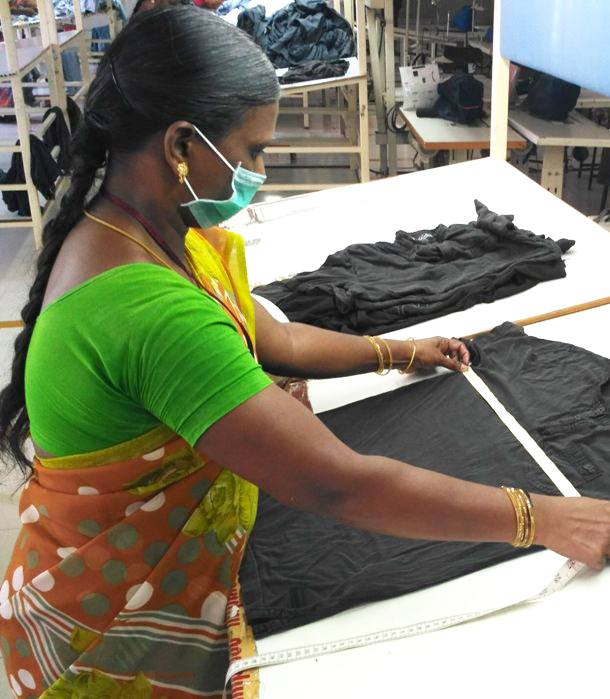
Today, S. Malar lives with her husband, son and daughter. Her son, S. Dinesh Kumar, is twenty years old, currently getting his bachelors in mechanical engineering. Her daughter, S. Saranya, is seventeen years old and studying in a school close to their home. Ambitious and determined, S. Malar works hard to give her children the education and opportunities she wasn’t able to have herself. She tells us proudly: “They are the number 1 students in their classes because [in] my after duty hours, I fully engage with them for their studies.” When they aren’t all studying hard, S. Malar spends time with them “by watching T.V., [attending] other cultural programs and supporting them in their basic needs.”
S. Malar has a packed morning during the working week. She has a routine similar to many women responsible for working and running the household. This is what her daily morning schedule looks like:
- Wake up at 6:00 am
- Prepare the family’s morning tiffin (breakfast)
- Cook mid-day meals for the family
- Get the children ready for school and college
- Help husband get ready for work
- Leave for the factory
Even though she has long days and works hard, S. Malar knows she can rely on her and her husband’s combined income to keep them secure. She says: “Our earnings are sufficient for the family’s needs and our children’s education.”
When asked about her ambitions, she said, “My future dream is for our children to become an engineer and lawyer and to improve the status of our family to a better level.”
About art & eden
Susan Correa, founder and CEO of art & eden, has spent her entire career in the apparel industry. She knew first hand the result of low-price competitiveness and quick turn-around pressures in the fashion industry: it created an industry model of as cheap and as fast as possible, no matter the cost. What was that cost?
The environment. The rights and protection of factory workers. Fair wages. Quality materials. Caring for the earth and for the people on it.
When Susan founded art & eden, she was determined to pave a new path, one that was better for people and better for the planet. She refused to hire or collaborate with anyone who didn’t share the same vision, insisting that heart come first, that art & eden be mission-based, not profit-based.
She decided to produce art & eden’s children’s clothing line with Texport Industries after visiting their factories and seeing first-hand their safe, clean and healthy work environment. She was impressed with the positivity and the supportive energy she witnessed at the factory.
Note: The above interviews were conducted by Mr. Ramalingam, Administrative Manager of HR at Texport Industries, and written/transcribed by Nandita Batheja, writer and program facilitator at art & eden.

This website was created and maintained with the financial support of the European Union. Its contents are the sole responsibility of Fashion Revolution and do not necessarily reflect the views of the European Union.