A „farmtól a ruhásszekrényig” út újraértelmezné a divat jövőjét
El tudod képzelni milyen lenne, ha a ruháid elkészülésének teljes útját ismernéd? Ha vissza tudnád követni a kedvenc felsőd eredetét, egészen a kezdetekig? Érdekel az, hogy ki készítette, milyen körülmények között, és milyen hatással volt mindez a környezetre? A felgyorsult világ talán lelassulni látszik, és egyre több márka és fogyasztó is keresi a választ arra, hogyan lehet a divat lassabb, átláthatóbb és fenntarthatóbb. Pontosan így tesz a SukkhaCitta márka is, ami az úgynevezett „farm to closet” elvet képviseli.
A „farm to closet” szemlélet: átláthatóság az alapoktól
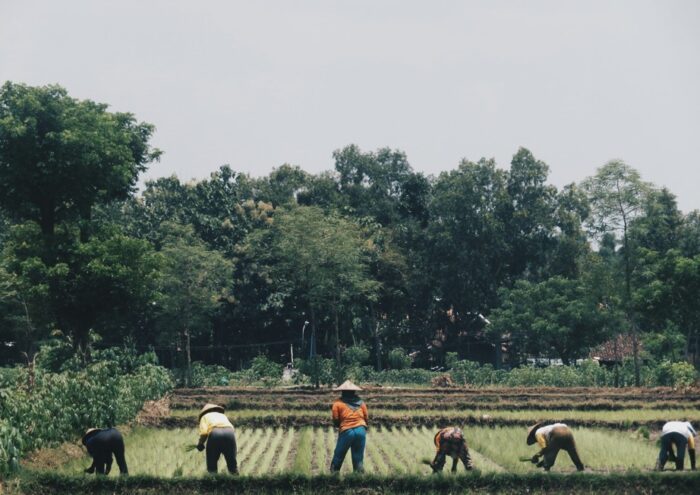
A „farm to closet” – „a termőföldtől a ruhásszekrényig” – megközelítés azt jelenti, hogy egy ruhadarab teljes életútja nyomon követhető: a nyersanyag termesztésétől a gyártáson át egészen a kész termékig. Ez a szemlélet szakít a gyors divat tömeggyártási folyamatával, ahol az alacsony ár és a gyors trendváltás gyakran a környezet és az emberi munka rovására valósul meg.
A fast fashion modell elvén évente több milliárd ruhadarab készül, amelyek jelentős része rövid időn belül kidobásra kerül, hulladékká válik. A „farm to closet” ezzel szemben az átlátható ellátási láncra, a regeneratív mezőgazdaságra és a közösségi alapú, kézműves gyártásra helyezi a hangsúlyt.
SukkhaCitta: amikor a divat közösséget épít
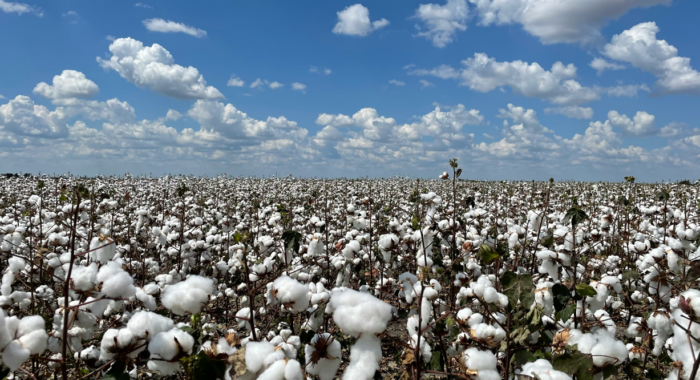
A fenntartható divat egyik nemzetközileg is elismert példája az indonéz SukkhaCitta márka, amely a „farm to closet” filozófiát a gyakorlatban is megvalósítja. A márka ruhái már a gyapot elültetésének pillanatától kezdve tudatos rendszerben készülnek, mivel helyi gazdákkal dolgoznak együtt, regeneratív mezőgazdasági módszereket alkalmaznak, és kizárólag természetes festékeket használnak.
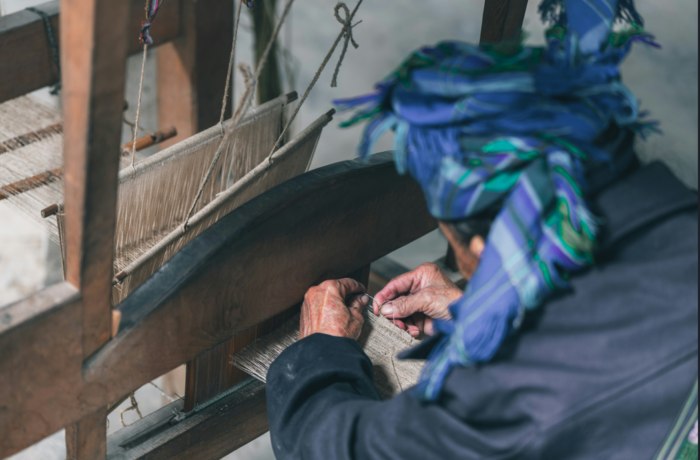
A márka egyik kiemelt alapanyaga az indigó, amelyet hagyományos módszerekkel termesztenek és dolgoznak fel. Az indigónövényből előállított természetes festék nemcsak környezetbarát alternatívája a szintetikus színezékeknek, hanem kulturális örökséget is hordoz. Az indigófestés folyamata időigényes és kézműves tudást igényel: az anyag többszöri merítéssel, oxidáció révén nyeri el árnyalatát. Ez az eljárás nemcsak kisebb környezeti terheléssel jár, hanem a helyi közösségek tradicionális szakértelmét is életben tartja.
A gyártási folyamat során kézműves szövőnők és varrónők dolgoznak, méltányos bérezés és biztonságos munkakörülmények mellett. Minden egyes ruhadarab hosszú idő alatt készül el, és nemcsak esztétikai értéket hordoz, hanem egy történetet is – a közösségek és a hagyományok történetét.
Több mint divat: gazdasági és környezeti hatás
A SukkhaCitta modellje rávilágít arra is, ami, habár ismert mindenki számára, mégis néha feledésbe merül, hogy a divat nem egy elszigetelt iparág. Nagy hatással van a talaj minőségére, a vízkészletekre, a helyi gazdaságokra és nem utolsó sorban a nők társadalmi helyzetére is. A lassú divat nem a fogyasztás teljes elutasítását jelenti, hanem annak újragondolását: kevesebb, de jobb minőségű ruhát, amelyet hosszabb ideig viselünk és megbecsülünk.
Tudatos döntések, valódi változás
A „farmtól a ruhásszekrényig” szemlélet jó példája annak, hogy a divat lehet egyszerre szép, etikus és fenntartható. A jövő divatjának fel kell vennie a harcot a világ gyorsaságával, haladnia kell vele, de átgondoltabban. A fenntarthatóbb jövő nem egyetlen vásárlói döntésen múlik, az is fontos, talán a legfontosabb szerepet játssza, hogy az iparág képes-e átláthatóbb, felelősebb és regeneratív működésre váltani. A „farm to closet” modell erre kínál egy működő példát: bizonyítja, hogy a divat lehet gazdaságilag életképes, közösségépítő és környezeti szempontból is tudatos. A jövő divatja így talán nem lassabb vagy gyorsabb lesz, hanem felelősebb és átgondoltabb.
Írta: Kovács Enikő
Forrás: Why the future of fashion is ‘farm to closet’ | National Geographic
From 19 to 23 February, fashion lovers are coming together to ‘support British fashion’s creativity, identity, and innovation.’ And at a time when increasing interest in sustainability is shaping all areas of consumption, brands are highlighting their sustainable practices more than ever.
As citizens, we want to feel good about the things we buy, and we don’t want to associate being fashionable with poor ethical standards. But as London Fashion Week captures global attention, we are reminded that behind the spectacle, a harder truth remains. An estimated 50 million people are living in modern slavery today, including those exploited across global fashion supply chains. In fact, in 2021, 10% of cases reported to the UK Modern Slavery & Exploitation Helpline related to businesses in the garment sector.
Not just a fast fashion problem
Despite some companies’ commitments to “ethical” fashion and social impact reporting, exploitation and environmental harm persist at every stage of the clothing production cycle.
Public conversations often frame exploitation and environmental harm as a fast fashion problem. Luxury brands have also been implicated in supply chain scandals, but their higher price points can create the perception that workers do not experience low wages, unsafe conditions and labour abuses more commonly associated with cheaper clothing.
[BOXOUT: Garment production is one of the world’s biggest and most labour-intensive manufacturing industries, employing an estimated 25 to 60 million people. Since the 1980s, many leading fashion retailers have been sourcing their clothes from countries with low labour costs and poor environmental governance.]
While fast fashion’s relentless production model certainly intensifies exploitation by forcing people to work in extreme conditions, exploitative and extractive business practices are common in many companies.
Cotton
Some severe cases of human and labour rights abuses happen long before clothes reach the factory floor. Cotton is an essential material for the fashion industry, but parts of the global cotton trade are linked with state-imposed forced labour.
Research by Sheffield Hallam University found that more than 100 major global brands could be at risk of using cotton produced under conditions of forced labour in the Uyghur Region of China, where state-imposed labour programmes have been widely documented.
In Turkmenistan, the Government continues to mobilise public sector workers into annual cotton harvests under threat of penalty. Workers are pressured to pick cotton or pay for replacement labour. Refusal can mean fines or job loss.The cotton harvested from these regions can then be processed and woven into garments sold around the world, creating a high risk that the clothes we wear every day have been produced with forced labour.
Despite corporate pledges to cut ties with forced labour, cotton linked to these systems still enter international markets. With long and complicated supply chains, responsibility becomes unclear, oversight weakens, and abusive practices can continue without consequences. For workers stuck in exploitation, these hidden layers make it challenging for anyone to see what is happening, and even harder to stop it.
A global issue
Human rights abuses in the fashion industry are not always outsourced to faraway places. They can happen anywhere, even in the UK.
A 2020 investigation into garment factories in Leicester that supply major retailers exposed some serious issues, including reports that workers were paid as little as £3 an hour and were made to work in unsafe conditions. Similar problems have surfaced elsewhere in Europe. In Italy, labour inspectors have uncovered exploitative conditions in subcontracted workshops producing for well-known fashion brands, including excessive hours, unsafe environments and illegal employment practices.
These cases highlight a crucial reality: companies keeping their operations in countries with stricter regulations does not mean that abuse is not taking place. Clothing labelled “Made in the UK” does not automatically make it free from exploitation.
The planet
The same systems that enable labour exploitation are also driving environmental destruction.
The fashion industry is characterised by overproduction and fleeting trends. It is estimated that the clothing industry has an annual carbon footprint of 3.3 billion tonnes of CO2e – close to the combined carbon footprint of all 28 EU member states.
Textile waste fills landfills, synthetic fibres shed microplastics into waterways, and cotton farming in regions already under ecological stress contributes to water depletion and soil damage. And those most impacted by the environmental impacts are workers and the communities that live near factories, facing exposure to toxic chemicals used in production.
Exploitation of people and the environment must be addressed together because they are driven by the same thing: putting profits over people and the planet.
We need stronger laws
For years, brands have relied on voluntary corporate social responsibility initiatives, publishing sustainability reports and ethical pledges. But research consistently shows that voluntary action alone is insufficient to eliminate forced labour from supply chains.
The UK’s current legal framework under the Modern Slavery Act 2015 requires large companies to publish annual statements on measures taken to address modern slavery, but it does not mandate comprehensive due diligence or penalties for failure.
Stronger laws are essential.
The European Union has adopted mandatory human rights due diligence rules requiring companies to identify and address abuses in their supply chains, while the United States has introduced import controls to block goods made with forced labour. The UK is lagging behind. Without robust legislation that includes enforcement and penalties, exploitation remains a low-risk, high-reward strategy for companies looking to cut costs.
Since 2017, Anti-Slavery International has been calling for a mandatory human rights and environmental due diligence law in the UK that would help level the playing field. Businesses should not gain a competitive advantage through exploitation. Clear legal standards would protect workers, support responsible companies, and give citizens greater confidence that their purchases are not linked to forced labour.
Putting human rights at the core of fashion
London Fashion Week is an important mobilising moment. Respect for people and the planet is not a seasonal trend; it’s timeless. It should be a permanent foundation of the industry.
A recent parliamentary debate brought renewed attention to forced labour and environmental harms in the fashion and textiles sector. On 12 February, Minister Chris Bryant referenced the government’s ongoing Responsible Business Conduct review, which is nearing completion, and called for it to result in policy recommendations that protect against exploitation in fashion supply chains.
As policymakers consider how production is sourced, regulated and supported, there is a clear opportunity to place human rights and environmental protections at the heart of those decisions.
There are signs of progress within the industry itself. Some brands and manufacturers are investing in more transparent supply chains, safer production practices, and circular models that aim to reduce waste and improve oversight. These efforts show that change is possible.
Fashion has the cultural power to shape norms, inspire trends and influence consumer behaviour. But this power must be matched with accountability. London Fashion Week creates an opportunity to ask what kind of industry we want to celebrate.
A different future is possible: one grounded in transparency, accountability, and respect for both human rights and the environment. Brands, citizens and policymakers all have a role to play. But lasting change depends on strong laws that require brands to act responsibly and transparently.
Until that happens, workers and the environment will continue to absorb the hidden costs of the clothes we wear.
If you want to support a fashion industry free from modern slavery, follow and share our post on social media to keep the conversation going and demand stronger protections for workers. Anti-Slavery International works with businesses to identify and address forced labour risks in their supply chains. Real change begins when human rights are treated as non-negotiable in every industry.
Written by Thea Littlewood, Communications Officer at Anti-Slavery International
About Anti-Slavery International: Anti-Slavery International is the world’s oldest human rights organisation. It has existed since 1839 to ensure that all people everywhere are free from slavery, challenging slavery in all its forms.
When a Sale Becomes a Season
There was a time when “Black Friday” meant exactly one thing: accountants enjoying their once-a-year moment of triumph as the books edged out of the red. But somewhere between post-war America and the algorithmic precision of modern e-commerce, this modest milestone of fiscal relief morphed into something else entirely – a global shopping frenzy with all the subtlety of fireworks in a library.
Today, it is a high-velocity ritual of countdown clocks, overnight warehouse shifts, carbon-intensive deliveries, and dopamine-fueled decision-making disguised as “savings.” What was once a single sales day has stretched into a month-long marketing tempest – part psychological experiment, part logistical marathon, part environmental sinkhole. And at the centre of it all sits the consumer: exhilarated, overwhelmed, and often left questioning why the thrill fades faster than the parcel arrives.
To understand how Black Friday became both a cultural spectacle and a planetary stress test, we need to trace its curious origins.
The Birth of Black Friday
The first version of Black Friday wasn’t glamorous. In 1950s Philadelphia, it referred to the mayhem that erupted the day after Thanksgiving, when tourists flooded the city for the Army–Navy football game. It was less “doorbuster deal” and more “police officers needing annual leave” (Turner, 2013).
Retailers hated the name – until they realised they could monetise it. By the 1980s, Black Friday had undergone a makeover worthy of a reality TV glow-up. The narrative was rewritten: soaring profits, a consumer holiday born. From there, the sales expanded, spilling across borders, months, and marketing departments faster than you can say “limited time only.”
With that shift came a new cultural truth: Black Friday stopped reflecting demand and started manufacturing it. Scarcity, urgency, countdown timers – the whole thing became less tradition and more psychologically engineered for impulse.
Impulse Purchases: The Brain vs. the Cart
Black Friday is a masterclass in seduction: flashing deals, ticking timers, and neon tags conspiring to turn “maybe later” into “buy now.” The weekend’s entire architecture is designed to spark reactive, not reflective, buying. Neuroscientists call it temporal myopia: the brain’s tendency to prioritise immediate reward over long-term consequences (Kable & Glimcher, 2007). Retailers simply call it “great performance.”
The result? A nation of shoppers reflexively filling their baskets at speeds normally reserved for Olympic trials.
And then comes the crash. Enter buyer’s remorse, the retail-world hangover. It arrives once the dopamine hit evaporates, replaced by the realisation that you do not, in fact, need a 24-pack of scented candles named Winter Forest Whispers, the dress you panic-bought in three colours, or the smart juicer you’ll use exactly once before it becomes a dust gathering appliance.
Regret isn’t just emotional – it’s environmental. The moment remorse sets in, the returns begin. And that’s when the hidden damage really unfurls.
The Logistics Trap: When Returns Outweigh the Sale
The true carbon cost of Black Friday isn’t in the buying – it’s in the boomerang effect. Reverse logistics (a polite way of saying “getting your rejected parcels back where they came from”) is one of the most emission-heavy parts of the retail supply chain (MIT Center for Transportation & Logistics, 2021).
A return often travels more kilometres on its way back than it did on its way to you. Many get shipped, unpacked, inspected, re-packaged, re-shipped, and re-sorted. Some fly. Some sit in warehouses. Thousands never make it back to the shelves at all, written off entirely.
A returned item can produce up to 30% more carbon emissions than its original delivery (Ellen MacArthur Foundation, 2020) – and that’s before you factor in the packaging: layers of bubble wrap, cardboard, tape, and paper that get reused because the first round wasn’t enough (GreenFulfilment, 2020).
Black Friday’s sales surge also pushes fulfilment centres into overdrive, forcing brands to charter extra trucks, planes, and last-mile drivers – a carbon spike invisible to the consumer but painfully obvious to the atmosphere (MIT Center for Transportation & Logistics, 2021).
Ultimately, the environmental story of Black Friday is hardly a fairy tale. It’s more of a Greek tragedy… with express shipping.
Ghost Waste: The Returns You’ll Never See
The dirtiest secret of Black Friday returns? Not everything gets a second chance. Some items are too expensive to process. Some lose value the instant they leave the store. Some cost more to restock than they’re worth. And so, quietly, they’re diverted to liquidation pallets, textile shredders, incinerators – or, worst of all, landfill (GoTRG, 2021).
Black Friday fuels a spike in “ghost waste”: perfectly usable products that never get used, never get loved, and never fulfil their original purpose. They travel from factory to consumer to bin without ever becoming part of a life.
If overconsumption had a mascot, it would be the Black Friday return.
Pause Before You Purchase
Black Friday will no doubt continue (retail doesn’t walk away from billions). But consumers can rewrite their part in the script.
The question to ask this year isn’t, “Am I getting a good deal?”
It’s, “Why do I want this – and what will it cost beyond the price tag?”
Black Friday’s real currency is emissions, waste, energy, and the quiet erosion of mindful consumption. The most radical act this season might simply be to pause. To shop slowly. To opt out of the frenzy and into intention.
Because a bargain isn’t a bargain if the planet pays full price.
This article was authored by Bella Freidin, a contributor of Fashion Revolution Australia.
In Conversation with: Anjali Tulpule
On navigating responsibility as a graduate designer
By: Fashion Revolution Australia
As part of our new interview series spotlighting emerging voices in Australia’s fashion landscape, we sat down with Anjali Tupule — a recent RMIT graduate and designer behind Tulpulé Atelier.
Anjali represents a new generation of designers navigating what it means to create consciously: balancing creativity and responsibility, tradition and innovation, and the realities of studying fashion in a time of profound industry change.
As a recent fashion student graduate and new designer, what excites you most about where the industry is heading right now?
What excites me the most about the industry right now is how sustainability is finally becoming a central topic in the fashion industry. In Melbourne especially, I have noticed there’s a real shift towards circular business models, not just through labels embracing new models, but also within the community. People are reselling pieces, renting garments for occasions they know they would never wear again, and up-cycling rather than throwing clothing away. Many of my peers and other young designers are leading this change, which is honestly exciting to witness.
I also appreciate that strong conversations are taking place in universities, as well as in the industry, and among designers about transparency, ethical practices, and inclusivity regarding both how labels operate and how consumers make purchasing decisions. As a new designer, it feels incredibly meaningful to step into the industry at a time when conscious consumerism, circular business models, and transparent production are being taken more seriously, as they should be.
That said, I do know we still have a really long way to go. Fast-fashion brands often market their clothing lines as ‘sustainable,’ which is known as greenwashing. This frustrates me to my core, and I think it is crucial for people to recognise the difference between that and labels that genuinely drive change.
What are some of the biggest challenges you see fashion students currently facing? (This could be during study or once they graduate)
I believe that young designers and graduates face numerous challenges. Balancing your own creativity with a brand or label’s wants when you’re working in the industry can be challenging. This, along with the pace of fashion, can also feel overwhelming. Keeping up with trends, particularly micro-trends, can be extremely exhausting. Having your creative voice within that could feel overwhelming and not align with the values one possesses when it comes to production and manufacturing within the industry. This is something I had to grapple with. The idea of slowing down in an industry that thrives on speed can feel extremely daunting and even a little scary.
Another challenge stemming from the previous would be navigating the tension between creativity and sustainability. At university, we are constantly encouraged to push the boundaries, experiment with many materials, and think in new and innovative ways. However, alongside this freedom, there is also a responsibility to design consciously and to choose fabrics with care, ensuring we reduce waste and consider the full life cycle of a garment. I think exploring sustainable production methods can be expensive and sometimes feel overwhelming, especially when the wider industry is so reliant on fast fashion. That said, I believe students and recent graduates are uniquely placed to lead change. They are questioning old systems, experimenting with new approaches to fashion, and investing in quality, ethics, and sustainability over quantity will ultimately lead to a positive reshaping of the industry.
What advice would you give to other young people who want to work in fashion while driving positive change?
I think that the most important thing is to start with curiosity and really take the time to learn about the fashion industry. That could mean talking to practitioners and students who are already making or working towards change in the industry, or diving into resources that expose fashion’s impact on the world socially, economically, and environmentally.
For me, watching documentaries like ‘War on Waste’ and ‘The True Cost’ (one of which I saw earlier this year at a screening and panel discussion hosted by the Fashion Revolution and Ethical Clothing Australia) was eye-opening. I also loved reading books like ‘Fashionopolis’ by Dana Thomas, ‘Wear Next: Fashioning the Future’ by Clare Press, and ‘Sundressed’ by Lucianne Tonti. Being curious, asking questions, and constantly wanting to learn more not only make you more aware of the fashion climate we live in but also spark meaningful conversations.
Conversation is the first step to driving change.
From there, I would focus on how you personally can make a difference. This might involve your own clothing choices, such as shopping second-hand, up-cycling, supporting labels that have sustainable and ethical values, or even trying something like the ‘Rule of Five’ challenge by Tiffanie Darke. I am currently doing this, and it has really opened my eyes to how much we over-consume. Limiting myself to purchasing five pieces of clothing has made me think more carefully about what I truly needed, rather than impulsively wanting things. If everyone followed these small steps, they would become a powerful large step towards reaching global climate targets.
Ultimately, I believe that gaining hands-on experience wherever possible is crucial. Intern or work with labels that prioritise sustainable and ethical values, organise clothing swaps, organise film nights for fashion documentaries for like-minded people, or simply start experimenting with ways to give your garments a new life. I think positive change doesn’t happen all at once, but rather each of these steps, big or small, adds up.
As a designer, I aim to create a positive impact through my label and designs. I am currently working on my label, which will champion longevity and circularity. I believe it is crucial for brands to focus on creating pieces that will truly stand the test of time and offer services for repair and maintenance.
I have also started a Substack called ‘The Capsule Journal Project’, where I explore conscious fashion, slow style, and building a wardrobe that lasts. I wanted to create something that focuses not on fleeting trends, but rather on understanding what you already have in your wardrobe and shaping it into a capsule collection that reflects one’s personal style.
Can you tell us about your upcoming collection — what inspired it, and what can we expect to see?
My label, Tulpulé (@tulpule.atelier) will officially launch in April / May 2026! This first collection will explore the intersection of the traditional Indian sari silhouettes and everyday Western wear. At its core, this collection focuses on circularity, longevity, and elegance. Every piece I have designed should seamlessly fit into a wardrobe while also being elevated for special occasions. There will also be an opportunity to inquire about one-off pieces.
Sustainability is central to this vision. I work with surplus and natural fibres, and follow a business model that prioritises high-quality pieces designed to last.
Much like my 2024 honours collection, ‘Caveat Venditor’ (which was a circular bridal collection that looks at the intersection between the Indian sari (a garment worn repeatedly) and the Western bridal archetype (typically worn once), this new collection will explore how these influences can create garments that go beyond one single occasion.
This new collection carries this ethos forward. It creates versatile pieces suitable for everyday wear that are adaptable for formal events and designed for longevity. It is a collection where practicality meets elegance, and tradition meets modernity.
For those who want to learn to make their own clothes or simply mend their own clothes, what’s your best piece of advice?
As cliché as this might sound. My best advice is to just go for it! The worst that can happen is you make a mistake, and that’s when you would bring out the unpicker, or the scissors, to try again. Mistakes are all part of the process. I would also say not to be afraid to ask for help. Whether it’s a family member, a friend, or even an online community, there will be people who would love to help you make or mend clothing!
I would also suggest considering the materials you might use. Consider deadstock and surplus!
However, I think the most important piece of advice is to never give up on a project and to always remember why you started it. Every stitch will contribute to your amazing finished piece, and you’ll learn something new each time you create something different! I recently learned how to hand embroider, and I had a blast, even though I was terrible at it initially.
On a more lighthearted note, what’s your favourite item in your closet and why?
This is really hard! But I think I would say my Arnsdorf white shirt. I know that sounds so simple, but it’s honestly my go-to for every kind of occasion. For my personal style, I really value staple pieces that I can wear on multiple occasions, depending on the occasion. To me, versatility is key. My white shirt has accompanied me everywhere, from picnics to dinners with friends and family, to long working days, important meetings, and job and internship interviews. It has been my quiet companion through so many moments in life.
I would also like to give special mention to my dad’s old leather jacket, which he gave to me, and my mum’s beautiful 2000s Hobbs dress, which she gave to me a few years ago. These pieces carry so many memories and stories, making them just as meaningful as my white shirt.
Anjali’s perspective is both honest and hopeful — grounded in the realities of being a fashion student, yet driven by a belief in slow, lasting change. Through her label Tulpulé Atelier and her writing on The Capsule Journal Project, she’s reimagining what circularity and longevity can look like for the next generation of designers.
Follow Anjali’s work:
Instagram — @tulpule.atelier
Substack — The Capsule Journal Project

Hungarian
Hordatlan ruhadarabok
Tudtad, hogy 2050-re a divatipar évente várhatóan 138 milliárd soha nem hordott ruhadarabot fog gyártani?
A divatipar az egyik legnagyobb környezeti terheléssel járó szektor a világon és a számok
évről évre riasztóbbak. Ahogy a fast fashion pörög, a ruhák élettartama egyre rövidebb, a
gyártás mennyisége pedig soha nem látott méreteket ölt. Ideje feltenni a kérdést: kell-e ennyit
gyártanunk ahhoz, hogy jól öltözöttek legyünk?
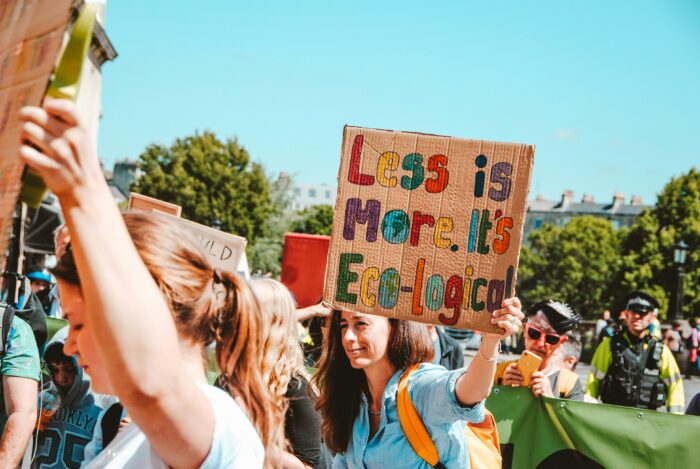
Tudtad, hogy 2050-re a divatipar évente várhatóan 138 milliárd soha nem hordott ruhadarabot
fog gyártani? Ez a mennyiség elég lenne ahhoz, hogy a Földtől egészen a Marsig és vissza is
elérjen. Az adatok az Oxfam friss elemzéséből származnak, ezek a számok elég jól
érzékeltetik, hogy mekkora méreteket öltött a túltermelés.
Az Oxfam számításai szerint az Egyesült Királyságban jelenleg 1,6 milliárd olyan ruhadarab
lapul a szekrényekben, amit senki sem hord. Ha ezeket újrahasznosítanánk vagy újra
beépítenénk a mindennapi gardróbunkba, Manchester teljes lakosságát fel lehetne öltöztetni
18 generáción keresztül, ez nagyjából 450 év.
És ha ez nem lenne elég elgondolkodtató, az Egyesült Királyságban egy-egy ruhadarabot
átlagosan mindössze öt napig viselnek. Gondolj csak bele: hányszor viselted utoljára azt a
felsőt, amit annyira szerettél, amikor megvetted? A legtöbb ruhadarab nem azért tűnik el a
gardrób mélyén, mert elhasználódik, hanem mert egyszerűen elfelejtjük, hogy ott van.
Évente a globálisan legyártott ruházati cikkek 40%-át soha nem adják el. Képzeld el,
ezek a ruhák megjárják a gyárakat, a kamionokat, a boltokat, csak épp soha senki nem hordja
őket. A divatipar túltermelése nemcsak pénzben, hanem erőforrásban és emberi munkában is
mérhetetlen veszteség.
Az online vásárlás robbanásszerű növekedése, a könnyű visszaküldési lehetőségek, a
folyamatosan változó trendek és a fast fashion üzleti modellje mind hozzájárulnak ahhoz,
hogy Európában évről évre több ruha marad eladatlanul vagy kerül vissza a boltokba.
Az elmúlt években több jelentés is rávilágított: nemcsak a fast fashion márkák, de a
luxusmárkák is gyakran megsemmisítik a visszaküldött vagy el nem adott termékeiket. Ez a
gyakorlat a „take–make–waste”, vagyis az „elvesz–legyárt–kidob” szemlélet tipikus példája,
jól mutatva, mennyire pazarló és elavult a jelenlegi, lineáris termelési rendszer.
Ahelyett, hogy új életet adnánk a már meglévő ruháknak, még mindig inkább legyártjuk az
újat, ezzel pedig felesleges terhet rakunk a környezetre és a klímára is.
Amikor legközelebb elcsavarja a fejed egy új ruhadarab, gondolj bele: Szükséged van erre?
Nem tudnád-e esetleg helyettesíteni egy a szekrényed mélyén lapuló darabbal? A ruháink
története nem a kasszánál ér véget és nem is a szekrény mélyén. Minden darab, amit
megveszünk, hatással van emberekre, erőforrásokra és a bolygónkra. Öltözködj stílusosan és
dönts tudatosan!
Írta: Arnóth Nikolett
Forrás: https://www.oxfam.org.uk/media/press-releases/global-fashion-industry-on-track-to-
produce-enough-unworn-clothes-to-almost-reach-from-earth-to-mars-and-back/
https://www.eea.europa.eu/en/analysis/publications/the-destruction-of-returned-and-unsold-
textiles-in-europes-circular-economy
Képek forrása: https://unsplash.com/
English
Did you know that by 2050, the fashion industry is expected to produce 138 billion never-worn items of clothing per year?
The fashion industry is one of the most environmentally damaging sectors in the world, and the numbers are getting more alarming every year. As fast fashion takes off, the lifespan of clothes is getting shorter and the volume of production is reaching unprecedented levels. It’s time to ask: do we need to produce so much to be well-dressed?
Did you know that by 2050, the fashion industry is expected to produce 138 billion never-worn items of clothing a year? That’s enough to reach from Earth to Mars and back. The figures come from a recent analysis by Oxfam, and they give a pretty good idea of the extent of the overproduction. Oxfam estimates that there are currently 1.6 billion items of clothing in the UK that no one wears. If we recycled or repurposed them into our everyday wardrobes, we could outfit the entire population of Manchester for 18 generations, which is around 450 years. And if that wasn’t mind-blowing enough, the average person in the UK wears an item of clothing for just five days. Think about it: how many times did you last wear that top you loved when you bought it? Most clothes disappear into the depths of our wardrobes not because they wear out, but because we simply forget they are there.
40% of all clothing produced globally each year is never sold. Imagine,
these clothes go through factories, trucks, and stores, but no one ever wears them. The overproduction of the fashion industry is an immeasurable waste not only in money, but also in resources and human labor.
The explosive growth of online shopping, easy returns, constantly changing trends, and the fast fashion business model all contribute to the fact that more clothes in Europe remain unsold or are returned to stores every year.
In recent years, several reports have highlighted that not only fast fashion brands, but also luxury brands often destroy their returned or unsold products. This practice is a typical example of the “take–make–waste” approach, demonstrating how wasteful and outdated the current linear production system is. Instead of giving new life to existing clothes, we still prefer to produce new ones, thereby placing an unnecessary burden on the environment and the climate. The next time you are thinking about a new piece of clothing, think: Do you need this? Could you replace it with a piece that is hidden in the depths of your closet? The story of our clothes does not end at the checkout or in the depths of the closet. Every piece we buy has an impact on people, resources and our planet. Dress stylishly and make conscious decisions!
Written by Arnóth Nikolett
Source: https://www.oxfam.org.uk/media/press-releases/global-fashion-industry-on-track-to-
produce-enough-unworn-clothes-to-almost-reach-from-earth-to-mars-and-back/
https://www.eea.europa.eu/en/analysis/publications/the-destruction-of-returned-and-unsold-
textiles-in-europes-circular-economy
Image source: https://unsplash.com/
From ocean pollution to everyday laundry, synthetic textiles are fueling a global plastic problem, but it’s not too late to make a difference.
Plastic is everywhere, even in our clothes. Nearly two-thirds of garments today are made from fossil-fuel-based synthetics such as polyester, nylon, acrylic, and elastane—and many of these fibres end up in our oceans.
This was explored by UK photographer Mandy Barker, who spent a decade documenting synthetic fragments drifting along the UK coastline. At first glance, her images resemble seaweed or algae, but they’re actually pieces shed from our clothes. Her work offers a striking reminder that plastic pollution has infiltrated marine ecosystems. If this continues unchecked, both ocean life and human health face serious consequences.
And these are just the plastics we can see. Every day, invisible microplastics slip into waterways through garment production and laundry.
What’s the microplastic problem?
Microplastics are fragments smaller than 5mm, and synthetic textiles are one of their main sources. These tiny particles are easily ingested, accumulating in marine animals and even humans—though the long-term health effects are still being studied.
Researcher Subramanian Muthu explores in his book Sustainable Fashion: Consumer Awareness and Education (2019) how the 1950s saw an increasing demand for fast and cheap fashion, leading to a reliance on synthetic textiles. These textiles are significantly cheaper and easier to produce than natural fibres, allowing for quick turnaround in response to the increasing demand from consumers and profit-driven companies for more clothing. In 2024, it was revealed that Australia was the number one fashion consumer per capita (followed by the USA and UK), buying an average of 56 new clothing items a year. As demand increases, so too does production, and at an increasing rate. Fossil-fuel-based textiles increased in output from 67 million tonnes in 2022 to 75 million tonnes in 2023, and less than one per cent of the global fibre market comes from recycled textiles.
Overproduction and overconsumption have led to pressure on our ecosystems, and even washing our clothes made from synthetic material damages marine environments. In fact, it’s estimated that washed textiles could contribute up to 34.8% of the 1.5 billion tons of primary microplastics released each year, posing threats to marine life and human health.
Where are we in 2025? Is Recycling the Answer?
While some brands have begun to incorporate recycled polyester into their collections, this doesn’t tackle the actual problem, and the majority of recycled polystyrene comes from plastic bottles, not other garments. The result is continued production of non-biodegradable garments, which contribute to microplastic pollution in oceans and rivers.
In 2022, the United Nations proposed a legally binding agreement to tackle the global plastic crisis — recognising microplastics as part of the problem and calling for a full life-cycle approach to plastic production. The full resolution can be read here.
Three years later, and with the sixth round of negotiations concluding in August 2025, countries are still split, and no agreement has been proposed. The dividing line between countries is whether the treaty should tackle plastic production at its source, or focus on managing the pollution plastic creates. Oil-producing countries argue that fossil fuels are a vital part of future economies and that the focus should be on waste management and recycling programs. Ross Eisenberg, President of America’s Plastic Makers, unsurprisingly, also advocates for continued production with a focus on tackling plastic pollution through more recycling initiatives.
Better waste management is essential, but for fashion, the priority must be tackling plastic at its source. Profit-driven systems make this difficult; environmental protection rarely aligns with the interests of those benefiting from overproduction.
Small Changes You Can Make at Home:
Even if the UN can negotiate a treaty, the fact is that there is still no blueprint or guidance on what that would mean for the fashion industry, would production halt? Or would billion-dollar corporations find a loophole?
While countries and corporations need to step up to tackle plastic production at its source, there are also small changes we can make with big impacts for marine and human health.
Importantly, this doesn’t mean we should discard the synthetic clothes we already own, as keeping them in use for longer remains the most sustainable option. But we can care for them in ways that reduce microplastic pollution. You can:
- Buy a Guppyfriend bag for washing your clothes – it collects the microplastics and prevents them from entering the waterways.
- Install a washing machine filter – the Australian Government’s National Plastics Plan aims to require filters in all new machines by 2030, but for now, it’s up to households to take initiative.
- Adjust your washing habits – If buying a Guppyfriend bag or filter isn’t possible, even simple changes like washing on a lower speed and temperature can help.
- Choose natural fibres when buying new – opting for natural, unprocessed fibres (like organic cotton) means the garment can return to the earth rather than remain as microplastics forever.
Even these small shifts can make a measurable difference. Changing the way we wash and care for our clothes helps protect marine ecosystems—but we must also push for systemic change.
The fashion industry needs policy, regulation, and accountability to match the scale of the crisis. Until then, every individual action counts.
Follow Fashion Revolution Australia to stay updated on new research, including our newly released report, What Fuels Fashion?, uncovering the true energy and environmental costs of what we wear.
Web Resources
- Textile Exchange Materials Market Report 2024 https://textileexchange.org/knowledge-center/reports/materials-market-report-2024/
- Textile Exchange Preferred Fiber & Materials Market Report 2022 https://textileexchange.org/app/uploads/2022/10/Textile-Exchange_PFMR_2022.pdf
- BBC article on UN Plastic Pollution Treaty https://www.bbc.com/news/articles/cvgpddpldleo
- Australian Institute Research on Fashoin Consumption https://australiainstitute.org.au/post/australians-revealed-as-worlds-biggest-fashion-consumers-fuelling-waste-crisis/
- UNEP Microplastics Brochure https://wedocs.unep.org/bitstream/handle/20.500.11822/12079/brochure-microplastics.pdf?sequence=1&%3BisAllowed=
- Mandy Barker Photography https://www.mandy-barker.com/atkins-barker
Academic Resources
- Cullen, M. (2024). The New Sea Food: Fashion, Waste, and Microplastics. Southern Cultures, 30(4), 64–75. https://doi.org/10.1353/scu.2024.a951662
- Muthu, S. Senthilkannan (Ed.). (2019). Sustainable Fashion: Consumer Awareness and Education (1st ed.). Springer Singapore. https://doi.org/10.1007/978-981-13-1262-5
- Wang, C., Song, J., Nunes, L. M., Zhao, H., Wang, P., Liang, Z., Arp, H. P. H., Li, G., & Xing, B. (2024). Global microplastic fiber pollution from domestic laundry. Journal of Hazardous Materials, 477. https://doi.org/10.1016/j.jhazmat.2024.135290
Fashion has always been fluent in fantasy. But what happens when fantasy turns survivalist?
We are living in a time when the old promises of fashion – novelty, beauty, identity – collide with new imperatives: climate resilience, resource scarcity, systemic justice. Out of this collision comes a series of radical experiments: garments that live only in pixels, fibres spun from industrial waste, dyes brewed in petri dishes.
They are dazzling, yes, but deeply political. Each innovation poses the same urgent question: can fashion reimagine itself fast enough to outpace the crises it helped create?
Digital Couture & the Carbon-Free Runway
Once, the runway was a floor, not a file. Today, it might just be a server.
Digital fashion – whether AR try-ons, metaverse couture, or in-game skins – promises more than spectacle. It offers subtraction: no cotton fields drained, no dye effluent spilled, no carbon-heavy returns piling up in warehouses. The fantasy is real – only the fabric isn’t.
In Australia, researchers at RMIT are exploring VR tools for designers, while globally, studios like The Fabricant have declared their allegiance to pixels over polyester, by leaning into digital fashion initiatives. The implications are profound: if identity is increasingly performed online, could our wardrobes shrink in reality and expand infinitely in digital space? Or will we end up with double the wardrobes -one physical, one virtual?
The answer may decide whether digital couture is liberation from overproduction, or simply its next frontier.
Adaptive Clothing for Climate Resilience
In the era of climate volatility, clothing must evolve from accessory to armour.
Imagine textiles that cool you under extreme heat, reflect UV rays at noon, or wick away sudden humidity. These aren’t hypotheticals. Australian scientists are trialling heat-reflective coatings; elsewhere, responsive fibres shift structure with the weather.
This is fashion as infrastructure: garments that are both unique and utilitarian. Yet here too lies a tension. Will adaptive textiles be equitably accessible, or marketed as luxury novelty? In a world where those most vulnerable to climate extremes often have the least access to innovation, resilience cannot become another form of exclusivity.
Upcycling the Unexpected
Sustainability has long preached restraint – fewer clothes, less waste. But there is another narrative unfolding: reinvention.
Designers are turning industrial detritus into couture: brewery by-products become durable yarns, orange peels transform into leather, pineapple leaves into the leather-like material Piñatex, coffee husks into soft, resilient textiles – and even aircraft seat foam is repurposed into handbags, cushions, and insulation. The alchemy is astonishing: what was once landfill now walks the runway.
This is a redefinition of the value of recycling. Waste is not objective; it is a label. Call it ‘waste’ and it is buried. Call it ‘material’ and it enters the economy. These processes not only divert waste from landfill, but also reduce reliance on resource-intensive cotton and petroleum-based synthetics.
The lesson? Waste is not an endpoint. It is a narrative pivot.
Biofabricated Colour
Dyeing has always been fashion’s silent violence – rivers turned toxic, workers exposed to carcinogens, ecosystems awash with waste. Enter the microbial revolution.
Algae, bacteria, and fungi are now coaxed into producing colour – hues as vivid as chemical dyes, but without the ecological hangover. Startups like Colorifix, for instance, use DNA coding to teach microbes how to reproduce pigments found in nature, while Pili is developing bio-based indigo for denim – one of the industry’s most polluting staples. In Australia, researchers are trialling algae systems that can generate stable, scalable colour without chemical runoff.
The symbolism is powerful: colour, once a pollutant, reborn as life. But scaling remains the challenge. Will biofabricated colour stay in the realm of high-concept capsules, or can it disrupt the toxic mainstream of fast fashion?
Innovation alone is not a silver bullet. A lab-grown dye cannot offset overproduction; a digital dress cannot erase systemic injustice. What these innovations do offer is a glimpse of possibility – a chance to rethink the very rules of fashion.
Pixels, polymers, microbes, and repurposed scraps – they’re not gimmicks. They’re a manifesto. Proof that fashion can be resourceful without being reckless, imaginative without being indulgent, and forward-thinking without leaving the planet behind. Though they won’t solve the industry’s problems overnight, they map a new direction – showing that style and responsibility can coexist, and that the next chapter of fashion could be as ingenious as it is indispensable.
Authored by Bella Freidin, guest contributor of Fashion Revolution Australia.
Talita Azevedo, a researcher and entrepreneur from the countryside of São Paulo, Brazil, has created a mapping project of invisibilized territories. She advocates for a decolonial use of technology to preserve Afro-Brazilian memory.
In Brazil, more than half of the population is Black, according to IBGE (2022), yet historical references to their ancestry are rarely visible in urban maps, schoolbooks, or digital platforms. This invisibility is not an accident. It is the result of centuries of systematic erasure that continues to shape cities, education, and the telling of the country’s history. Streets lack the names of Black leaders, monuments celebrate only the white elite, and school curricula reduce African and Afro-Brazilian history to a single chapter on slavery. As writer Conceição Evaristo defines it, memory is “a writing of life, a writing-existence,” emphasizing the need for Black subjects to be represented as protagonists.
This lack of memory affects collective self-esteem, access to knowledge, and cultural representation. It reinforces symbolic violence and erases Black protagonism, including its scientific, technological, and intellectual contributions.
Yet this story is changing. Repairing Black memory in Brazil is possible because erasure is the result of political choices—and therefore reversible.
Talita’s platform, Presente Histórico, uses digital technology to map and geo-reference places connected to Afro-Brazilian memory. She combines oral history, geolocation, and collaborative digital tools to create a living and affective cartography of erased territories, stories, characters, and ancestral wisdom.
Launched in December 2024, Presente Histórico has already mapped significant sites, including:
- The Church of Our Lady of the Rosary of Black People in Salvador
- Largo Terreiro de Jesus, Salvador
- Lagoa das Lontras, Rio de Janeiro
- The 17th-century Baobab tree on Paquetá Island, Rio
These sites exemplify the project’s approach: combining religious, cultural, technological, and territorial dimensions to recover Afro-Brazilian memory. The research also aims to propose an intersection in the scientific field, integrating popular practices, religious traditions, digital technologies, and territorial knowledge, creating a holistic methodology for memory reconstruction.
The platform has attracted thousands of online visits and generated over 30 organic national media mentions, reflecting growing public engagement. The initiative also earned Talita an invitation to her first TEDx talk, expanding the visibility of Afro-Brazilian memory internationally.
“My goal is to propose a new relationship between science, technology, and ancestral knowledge. Brazil has historically been a cradle of wisdom that points to systemic, healthy, and respectful ways of relating to our environment—especially Indigenous and Afro-diasporic knowledge,” says Talita.
The platform’s theoretical foundation integrates concepts of epistemicide (Boaventura de Sousa Santos; expanded by Sueli Carneiro), decolonial social technologies, and Afro-Brazilian philosophies of ancestry and territoriality. By merging oral traditions with digital mapping, Presente Histórico transforms educational and cultural paradigms.
In a country that often forgets, Presente Histórico makes remembering an act of resistance. It turns technology into a tool for social repair, giving Black Brazilians the ability to see themselves reflected in the very spaces they inhabit.
Talita Azevedo is a researcher and entrepreneur specializing in Afro-Brazilian memory and digital innovation.
She is the founder of oná, a Web Summit Ambassador, and a LinkedIn Top Voice.
The opinions expressed in this text are the sole responsibility of the author and do not necessarily reflect the views of Fashion Revolution Brazil.
Hungarian:
Hozzuk a fenntarthathatóságot divatba!
Budapesti kedvencek – ahol a múlt újra divatba jön
A fast fashion egyre többeknek jelent már nemcsak stíluskérdést, hanem erkölcsi dilemmát is. Szerencsére hazánkban is egyre bővül azoknak a helyeknek a listája, ahol stílusosan, egyedien és fenntarthatóan öltözködhetünk – ezek pedig az izgalmas secondhand és vintage turkálók. Ebben a cikkben bemutatok nektek néhány különleges helyet, ahol a múlt divatja a jövő fenntarthatóságát szolgálja és egyúttal újragondolja a gardróbunkat.
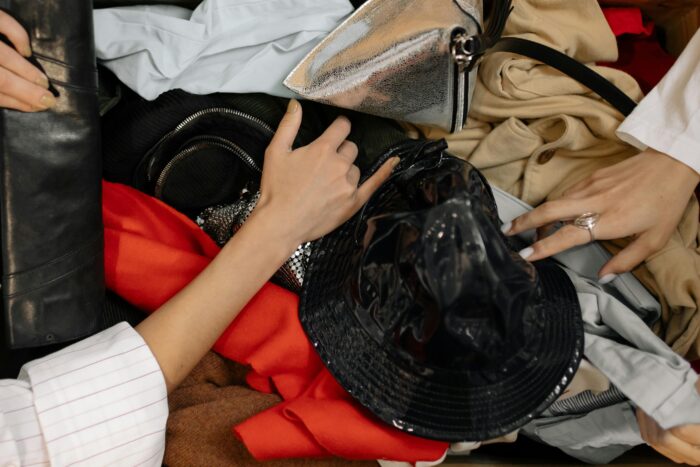
Íme néhány bolt, amit érdemes felkeresni:
Swappis Ruhaforgó (Pest, Kertész Géza utca 12. és Buda, Margit körút 64B)
Már két üzlet közül is választhattok, hiszen a budai és a pesti oldalon is megtalálhatjátok őket. Különlegességük, hogy nemcsak vásárolni, de leadni is tudtok szezonális ruhadarabokat, ami után pontokat kaptok, melyeket le tudtok vásárolni az üzletekben. Érdemes hozzájuk betérni, hiszen ruhák, kiegészítők sokasága vár rátok és ezt mind kifejezetten kedvező áron tudjátok beszerezni, hiszen Swappis tagként mindenhez féláron juthattok hozzá!
Retro Retikül (1071 Dózsa György út 66.)
Ez az a bolt, ahol minden van és az is minimum kétszer. Hatalmas területen vannak vintage ruhák, táskák, cipők és rengeteg kiegészítő. Én sosem jöttem ki innen üres kézzel, hiszen mindig találtam valami kincset. Mindenképpen ajánlom, hogy látogass el az üzletbe, hiszen pénztárcabarát árakkal tudsz hozzájutni a legkülönfélébb ritkaságokhoz, itt egy kaland a vásárlás és garantált a kincskeresés.
JAJCICA (1063 Szondi utca 58.)
Vagány, stílusos és nagyon extra. Ha szeretnéd, hogy megállítsanak az utcán és megkérdezzék, honnan van a szetted, akkor innen öltözz fel. Elképesztő kaland már önmagában az is, ha szétnézel a boltban, hiszen akárhova nézel leesik az állad! És nemrégiben megnyitott a Kiscica is a Nagymező utcában.
Szputnyik Shop (1074 Dohány u. 20.)
Eklektikus, retró, modern – egyesíti a vintage darabokat kortárs designnal. A boltban nagy hangsúlyt fektetnek a ruhák karakterességére. Ha egyedi darabot keresel, akkor a legjobb helyen jársz, nem is beszélve a különleges kiegészítőkről.
Miért válasszunk secondhandet?
- Csökkenthetjük a textilhulladék mennyiségét
- Kevesebb víz és energia fogy (egy új farmer gyártása akár 10.000 liter vizet is igényel!)
- Egyedi, minőségi darabokat találhatunk
- Támogatjuk a helyi kisvállalkozásokat
- Részt veszünk a divatipar forradalmában
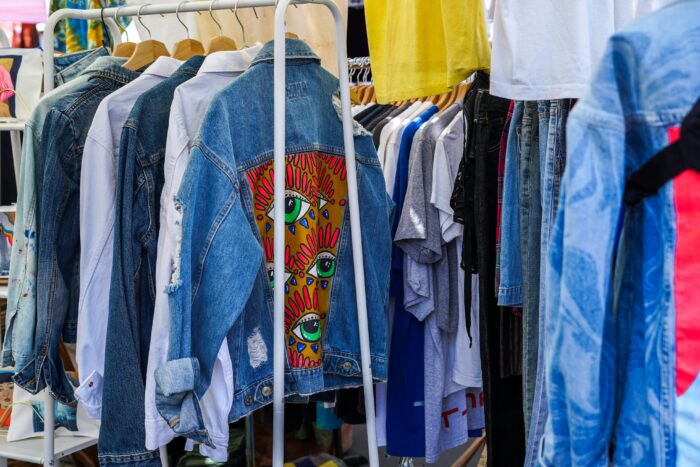
Tippek a hatékony turizáshoz:
- Légy türelmes – igazi kincsekhez idő kell
- Nézd meg az anyagot, ne csak méretet
- Gondolkodj újragondolásban: egy nadrágból lehet szoknya is!
- Használj listát, hogy mire van szükséged, de hagyd magad meglepni
Remélem, tudtam neked segíteni pár hasznos tippel, illetve meghoztam a kedved a secondhand világához, ha eddig távol állt volna tőled. Hiszek abban, ha trenddé válik a fenntarthatóság és megmutatjuk az embereknek, hogy mennyi lehetőség rejlik ebben, akkor utat tudunk nyitni milliók felé ebben a világban.
Tedd egyedivé a stílusod, csökkentsd az ökológiai lábnyomod, és támogasd azokat, akik egy igazságosabb divatiparért dolgoznak.
Írta: Arnóth Nikolett
Forrás:
https://welovebudapest.com/hely/szputnyik-shop-d20/
https://sustainabilitymag.com/supply-chain-sustainability/how-much-water-do-you-wear-asks-gap
Képek: Pexels
English:
Budapest favorites – where the past comes back into fashion
For more and more people, fast fashion is not only a question of style, but also a moral dilemma. Fortunately, in our country, the list of places where we can dress stylishly, uniquely and sustainably is growing – and these are the exciting secondhand and vintage thrift stores. In this article, I will introduce you to some special places where the fashion of the past serves the sustainability of the future and at the same time rethinks our wardrobe.
Here are some shops worth visiting:
Swappis Ruhaforgó (Pest, Kertész Géza utca 12. and Buda, Margit körút 64B)
You can now choose between two stores, as you can find them on both the Buda and Pest sides. Their specialty is that you can not only buy, but also return seasonal clothes, after which you will receive points that you can buy in the stores. It is worth visiting them, as there is a lot of clothes and accessories waiting for you and you can get them all at a particularly favorable price, since as a Swappis member you can get everything at half price!
Retro Retikül (1071 Dózsa György út 66.)
This is the store where you have everything and at least twice. There are vintage clothes, bags, shoes and lots of accessories in a huge area. I have never left here empty-handed, as I have always found some treasure. I definitely recommend you visit the store, as you can get a wide variety of rarities at budget-friendly prices, shopping here is an adventure and a treasure hunt is guaranteed.
JAJCICA (1063 Szondi utca 58.)
Cool, stylish and very special. If you want to be stopped on the street and asked where your outfit is from, then dress up here. Just looking around the store is an amazing adventure in itself, because wherever you look, your jaw will drop! And Kiscica has recently opened on Nagymező utca.
Szputnyik Shop (1074 Dohány u. 20.)
Eclectic, retro, modern – combines vintage pieces with contemporary design. The store places great emphasis on the character of the clothes. If you are looking for a unique piece, then you have come to the best place, not to mention special accessories.
Why choose secondhand?
We can reduce the amount of textile waste
We use less water and energy (the production of a new pair of jeans requires up to 10,000 liters of water!)
We can find unique, quality pieces
We support local small businesses
We take part in the fashion industry revolution
Tips for effective tourism:
Be patient – real treasures take time
Look at the material, not just the size
Think in a new way: a pair of trousers can also be a skirt!
Use a list of what you need, but let yourself be surprised
I hope I was able to help you with a few useful tips, and I made you like the world of secondhand if it had been far from you until now. I believe that if sustainability becomes a trend and we show people how much potential it has, then we can open the way for millions in this world.
Make your style unique, reduce your ecological footprint, and support those who work for a fairer fashion industry.
Written by: Arnóth Nikolett
https://ethicalfashioninitiative.org/Írta/ fordította: Filip Laura
Vivienne Westwood a divat világának egyik legmeghatározóbb alakja volt, különösen a fenntarthatóság terén. A nevét viselő luxusmárka ma is az általa lefektetett értékeket követi, és elkötelezetten képviseli a társadalmi és környezeti felelősségvállalást. Ebben a cikkben azt mutatjuk be, hogyan járult hozzá Westwood a fenntartható divat elterjedésébe és milyen ügyek mellett állt ki szenvedélyesen.
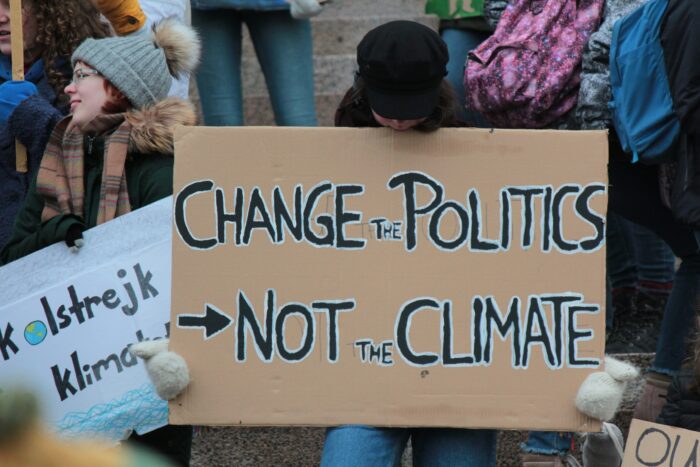
A punk mozgalomból kinőtt márka már a kezdetektől fogva a társadalmi kérdések és a kortárs problémák reflektorfénybe állítását tekintette küldetésének. Vivienne Westwood a divatiparban is a lázadás szellemiségét képviselte – de mindig a változás és a fejlődés érdekében. Kiállt a klímavédelem mellett, és nyíltan bírálta a modern kapitalizmus által okozott társadalmi egyenlőtlenségeket.
Aktivizmusa rendkívül sokrétű volt. A Greenpeace nagyköveteként 2013-ban megtervezte a „Save the Arctic” („Mentsük meg az Északi-Sarkot!”) kampány hivatalos logóját, majd 2015-ben globális mozgalmat indított az északi-sarki ipari halászat, valamint a kőolaj- és földgázkitermelés ellen. Emellett az Amnesty International emberi jogi szervezet munkáját is támogatta, és számos jótékonysági eseményen vett részt, hogy felhívja a figyelmet a társadalmi igazságtalanságokra.
Vivienne Westwood 2012-ben, a londoni Paralimpián indította el saját mozgalmát, a Climate Revolutiont (Klímaforradalom), hogy egyértelmű üzenetet küldjön a világnak: változásra van szükség. Küldetését egy erőteljes kijelentéssel foglalta össze:
„Szeretném, ha segítenétek megmenteni a világot – egyedül nem tudom megtenni.”
Ezzel az embereket is cselekvésre ösztönözte egy fenntarthatóbb jövő érdekében. Mozgalmának keretében egy aktivista kiáltványt is megfogalmazott, amelyben arra buzdította az embereket, hogy vállaljanak felelősséget a bolygó jövőjéért. A Climate Revolution tevékenységeiről és elért eredményeiről ezen a weboldalon található további információ: climaterevolution.co.uk.
Az egyik legkiemelkedőbb kampánya a 2011-ben indult kenyai kezdeményezés volt, amelyet az EFI-vel (Etikus Divat Kezdeményezés) közösen valósított meg. Ez a projekt az ENSZ 17 fenntartható fejlődési célja közül több kritériumnak is megfelelt, mivel a kelet-afrikai közösségeket támogatva teremtett munkalehetőségeket és segítette őket gazdasági függetlenségük elérésében.
Westwood és csapata nem segélyekkel kívánt támogatást nyújtani, hanem oktatással és munkahelyteremtéssel segítették a helyieket, hogy saját kezükbe vehessék sorsukat. Az így biztosított stabil alapjövedelem révén a munkások elkerülhették a természeti erőforrások kizsákmányolását, miközben a kézműves technikák továbbörökítésével fenntartható gazdasági modellt hoztak létre.
A projekt különleges értékét az is növelte, hogy kézzel készített termékek születtek, amelyek a helyi kultúra esszenciáját hordozták magukban. A kollekció vizuális anyagát Juergen Teller fotográfus örökítette meg. A kampány első eredményei a Vivienne Westwood 2012-es őszi-téli kollekciójában mutatkoztak meg, és a partnerség évekig tartott. A márka azóta is elkötelezett a helyi kézművesek támogatása mellett, és Indiában és Afrikában továbbra is együttműködik iparosokkal és kis közösségekkel.
Az átláthatóság érdekében az EFI weboldalán konkrét számbeli adatokat is közöltek a kampány eredményeiről, ami szerint:
- 57%-a munkásoknak iskolai költségeket finanszírozott bevételeikből.
- 91%-uk félretette bevételét és 33%-uk oktatásba, egészségügybe, lakhatásba vagy kisvállalkozás elindításába fektetett be.
- Az adott Vivienne Westwood kollekció megrendelés által a munkások bevétele 200%-kal növekedett.
Az SDG fenntartható fejlődési célok közül számos megvalósult a kampány során, például a szegénység és éhezés eltörlése, egészségügyi jólét, minőségi taníttatás, megfelelő munka és gazdasági fejlődés. A Vivienne Westwood honlapján részletesen is olvashatóak konkrét fenntarthatósági lépéseik: hulladékgazdálkodással, ellátásilánc-menedzsmentjükkel, szén-dioxid kibocsátással, anyaghasználattal vagy a fenntartható csomagolással kapcsolatos elhatározásaik.
A Vivienne Westwood márka azért emelkedik ki nem csak a luxusmárkák közül, de a divatiparból is, mivel átláthatóan és koncentráltan tesz fenntartható módon tényleges lépéseket és ezt dokumentálja, kommunikálja adatokban és vizuálisan is. A fenntarthatóság a márka alappillére.
Források:
https://www.theguardian.com/fashion/2022/dec/30/vivienne-westwood-an-appreciation
https://www.viviennewestwood.com/
https://ethicalfashioninitiative.org/
Képek forrása: Unsplash
English
Vivienne Westwood, a defining figure in sustainable fashion
Written/translated by Filip Laura
Vivienne Westwood was one of the most influential figures in the world of fashion, especially when it came to sustainability. The luxury brand that bears her name still lives by the values she set and is committed to social and environmental responsibility. In this article, we explore how Westwood contributed to the spread of sustainable fashion and the causes she passionately championed.
The brand, which grew out of the punk movement, has seen its mission from the very beginning to shine a spotlight on social issues and contemporary problems. Vivienne Westwood also represented the spirit of rebellion in the fashion industry – but always in the name of change and progress. She stood up for climate protection and openly criticized the social inequalities caused by modern capitalism.
Her activism was extremely diverse. As an ambassador for Greenpeace, she designed the official logo for the “Save the Arctic” campaign in 2013, and in 2015 she launched a global movement against industrial fishing and oil and gas extraction in the Arctic. She also supported the work of the human rights organization Amnesty International and participated in numerous charity events to draw attention to social injustices.
Vivienne Westwood launched her own movement, Climate Revolution, at the 2012 London Paralympics to send a clear message to the world that change is needed. She summed up her mission with a powerful statement:
“I want you to help save the world – I can’t do it alone.”
In doing so, she inspired people to take action for a more sustainable future. Her movement also included an activist manifesto urging people to take responsibility for the future of the planet. For more information on Climate Revolution’s work and achievements, visit climaterevolution.co.uk.
One of its most notable campaigns was the Kenyan initiative launched in 2011, which it implemented in partnership with EFI (Ethical Fashion Initiative). This project met several of the UN’s 17 Sustainable Development Goals by supporting communities in East Africa, creating jobs and helping them achieve economic independence.
Westwood and her team did not intend to provide aid through aid, but rather through education and job creation, helping local people take control of their own destiny. The stable basic income provided workers with the opportunity to avoid the exploitation of natural resources, while creating a sustainable economic model by passing on artisanal techniques.
The special value of the project was also enhanced by the fact that handmade products were created that carried the essence of local culture. The visual material for the collection was captured by photographer Juergen Teller. The campaign’s first results were seen in Vivienne Westwood’s Fall/Winter 2012 collection, and the partnership lasted for years. The brand has since become committed to supporting local artisans and continues to work with artisans and small communities in India and Africa.
In the interest of transparency, EFI’s website also provides specific figures on the campaign’s results, stating:
57% of workers used their earnings to fund school fees.
91% of them saved their earnings and 33% invested in education, healthcare, housing or starting a small business.
The workers’ income increased by 200% by ordering a particular Vivienne Westwood collection.
Many of the SDG sustainable development goals were achieved during the campaign, such as eradicating poverty and hunger, ensuring good health, quality education, decent work and economic development. Vivienne Westwood’s website also provides detailed information on their specific sustainability steps: their decisions regarding waste management, supply chain management, carbon emissions, material use, and sustainable packaging.
The Vivienne Westwood brand stands out not only among luxury brands, but also in the fashion industry, because it takes concrete steps in a sustainable way in a transparent and focused manner, and documents and communicates this in data and visually. Sustainability is the cornerstone of the brand.
Sources:
https://www.theguardian.com/fashion/2022/dec/30/vivienne-westwood-an-appreciation
https://www.viviennewestwood.com/
Por: Daniela Rejaf – Diseñadora textil y líder de Fashion Revolution México
El concepto de moda sostenible lleva años en constante evolución, cobrando relevancia en México y Latinoamérica gracias a movimientos como Fashion Revolution, Universo MOLA y Slow Fashion Movement, entre otros. Además, una creciente cantidad de marcas, cada vez más reconocidas, se están transformando para alinearse con este concepto. Sin embargo, no todas lo hacen con buenas intenciones; algunas caen en el greenwashing, adoptando la etiqueta de sostenibles sin un compromiso real.
El camino hacia la sostenibilidad es complejo, comenzando por la forma en que se le llama a una marca con este enfoque. No es correcto afirmar que una marca es “100% sostenible”, pues en esencia es complejo que una marca pueda lograr un equilibrio perfecto en sus tres pilares ( social , económico y ambiental) en todas sus operaciones, productos y servicios. Incluso ya muchas marcas o proyectos comienzan a utilizar términos como “moda lenta”, “circular” o “responsable”. Este enfoque es un buen punto de partida para identificar a aquellas que están realmente trabajando hacia un futuro más sostenible. En nuestro artículo anterior también compartimos algunos puntos de referencia interesantes en el camino del consumidor a la sostenibilidad, puedes leerlo aquí.
Sin duda, el tema que más resalta cuando se habla o comercializa la moda sostenible son los materiales. Entre los más utilizados se encuentran el bambú, el cáñamo, el algodón orgánico, el henequén, el tencel, entre otros. Sin embargo, al indagar en la trazabilidad de estos materiales, nos damos cuenta de la importancia de la transparencia, que es uno de los elementos mayormente resaltados en la campaña que llevó a fundar nuestro movimiento, . Es por eso que, como activista y diseñadora, me siento impulsada a investigar a fondo cada fibra para conocer su origen y proceso de fabricación.
Mi curiosidad sobre las fibras textiles comenzó, como la de muchos, en las tiendas locales. Sin embargo, siempre me quedaba con ganas de saber más. Esto me llevó a experimentar con texturas, colores y especialmente con las técnicas de tejido y teñido de distintas partes del mundo, siendo los procesos mexicanos de extracción y teñido natural lo que más me cautivó.
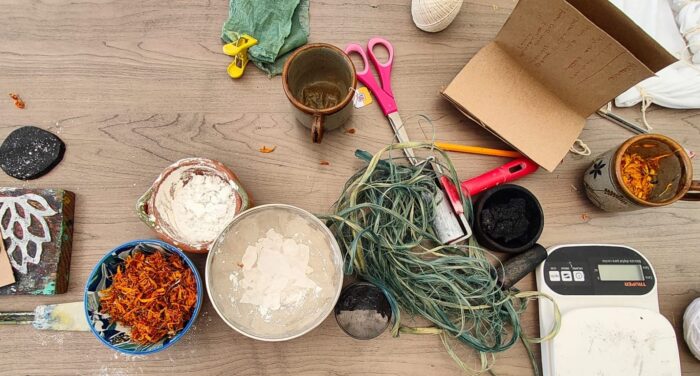
Este interés por la materia prima textil me llevó a investigar para diseñar mi primera colección para un concurso de diseño sostenible. Fue entonces cuando encontré un artículo en línea que hablaba sobre una “seda sostenible hecha a partir de agave mexicano”, fabricada por artesanos en Marruecos. Me quedé sorprendida y, con gran entusiasmo, busqué dónde conseguirla. Incluso contacté a la periodista que escribió sobre ello, quien me indicó que había visto la fibra en una ciudad de Marruecos. Al no encontrar más información, decidí ahorrar todo lo que pude para viajar directamente y conocer el taller donde la fabricaban. Aunque la pandemia detuvo mis planes, en 2024 finalmente pude hacer el viaje.
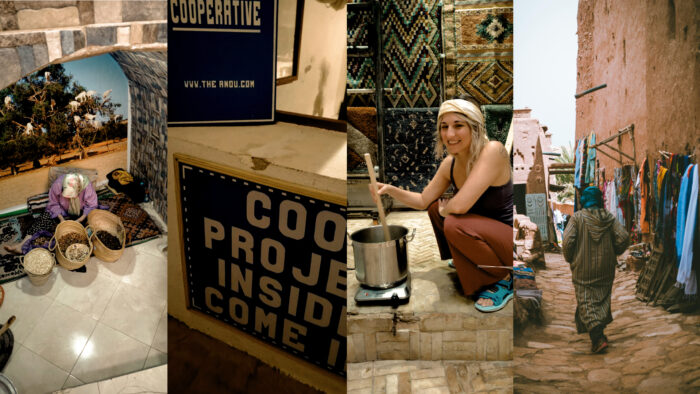
Al llegar a Marruecos, me encontré con The Annou, una cooperativa de artesanas marroquíes dedicada al comercio justo y la transparencia en los procesos artesanales. En un taller inmersivo, pude hablar con las artesanas y aprender sobre la famosa fibra, que descubrí que se llama Sabra. Fue aquí donde comenzó mi decepción. Resulta que la fibra de Sabra, lejos de ser el material sostenible proveniente del agave mexicano como lo leí en aquel primer artículo, es en realidad un rayón importado de países asiáticos. Este mito, creado para atraer a turistas, había llegado incluso a España, donde se vendían productos “sostenibles” bajo el concepto de fibras naturales. Así como quizá muchos otros sobre fibras eco amigables en otros países o contextos hablan sobre Moda Sostenibile.
Esta experiencia no sólo me impresionó , no solo al hacerme caer en la cuenta de que estos mitos son algo muy común para atraer a los clientes hacia talleres y tiendas, sabiendo que estos jamás se van a cuestionar de dónde vienen realmente los materiales; sino también el hecho de que estas fibras, provenientes de un rincón escondido del continente africano, puede entenderse como una realidad muy lejana, pues, ¿cómo un artesano marroquí, que en su vida ha viajado a México, va a entender las propiedades del agave para poder justificar que se pueda no solo cultivar sino trabajar de la misma manera en la que se hace en los talleres de artesanos en nuestro país? . Los mitos o ideas de que un material es sostenible solo porque dice que lo es, sin una base real que lo justifique, definitivamente le dan la vuelta al mundo
Es por esto que quiero compartir otro descubrimiento, igualmente fascinante: el Izote de Zumpahuacán, una fibra natural mexicana que me sorprendió por su autenticidad y sostenibilidad. En septiembre de 2024, conocí a Ana Celia Martínez, fundadora de ANART Certificación Profesional, un proyecto dedicado a la información y la organización de viajes bio-culturales para conectar con las comunidades de artesanos en México. Junto a ella, viajé a Niltepec, Oaxaca, para conocer el proceso de creación del Añil, conocido como “el oro azul”. Lo más hermoso de ese viaje fue conocer el proyecto Azul Izote, un proyecto que ha ganado premios internacionales y que trabaja en la co-creación de productos sostenibles con artesanos, asegurando una relación justa y responsable.
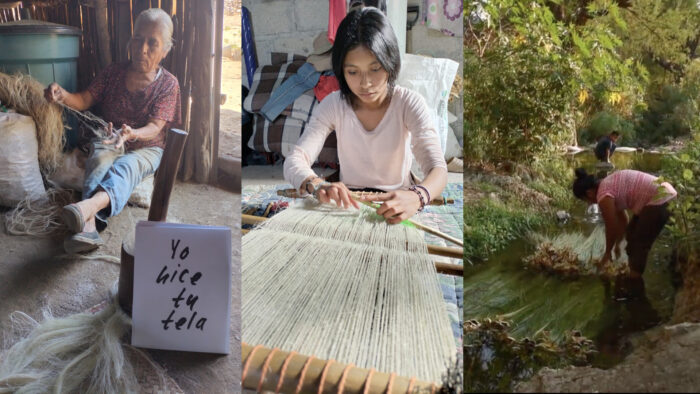
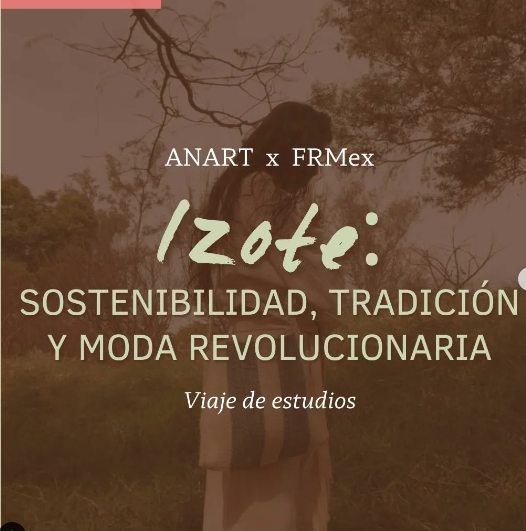
Gracias a este encuentro, comenzó una colaboración con el equipo de Fashion Revolution México, en la que pude integrar mis inquietudes y descubrimientos como diseñadora activista con los conocimientos de Ana y mis compañeras de equipo. Esto nos llevó a crear un viaje-taller dirigido a marcas y estudiantes que compartan el mismo interés por comprender lo que realmente son las fibras sostenibles. Este taller tiene como objetivo ayudarles a descubrir lo cerca que tenemos estas materias primas, que son oro puro e impecablemente trazables. Además, los artesanos están muy entusiasmados por compartir sus valiosas tradiciones, lo que permitirá que la esencia de Zumpahuacan se refleje en el valor agregado que puede aportar a las marcas mexicanas.
Esto proporcionará un enfoque de sostenibilidad más realista y genuino en los materiales, ofreciendo un ejemplo para que cualquier estudiante o diseñador, ya sea en Marruecos, España o Asia, pueda encontrar una fuente confiable en Internet sobre cómo diseñar sus colecciones. De esta manera, podrán evitar las decepciones que, al igual que yo, muchos otros diseñadores han enfrentado durante sus procesos creativos. Así, cierro este artículo de forma circular, con el objetivo de reducir tanto el greenwashing como la eco ansiedad que recorren el mundo, evitando que tantas marcas inicien o lleguen a comprender la Moda Circular desde su esencia ancestral, la cual, inspirada por y para la naturaleza, no es tan difícil de lograr.
English
From Moroccan Sabra to the Zumpahuacán Izote: Myths and realities of sustainable fibers in the modern world
By: Daniela Rejaf – Textile designer and leader of Fashion Revolution Mexico
The concept of sustainable fashion has been constantly evolving for years, gaining relevance in Mexico and Latin America thanks to movements such as Fashion Revolution, Universo MOLA, and the Slow Fashion Movement, among others. Furthermore, a growing number of increasingly recognized brands are transforming to align themselves with this concept. However, not all of them do so with good intentions; some fall into greenwashing, adopting the sustainable label without a real commitment.
The path to sustainability is complex, starting with the way a brand with this approach is labeled. It is incorrect to claim that a brand is “100% sustainable,” as it is essentially complex for a brand to achieve a perfect balance across its three pillars (social, economic, and environmental) in all its operations, products, and services. Many brands or projects are even beginning to use terms such as “slow fashion,” “circular,” or “responsible.” This approach is a good starting point for identifying those that are truly working toward a more sustainable future. In our previous article we also shared some interesting benchmarks on the consumer journey to sustainability, you can read it here.
Without a doubt, the most prominent topic when discussing or marketing sustainable fashion is materials. Among the most commonly used are bamboo, hemp, organic cotton, henequen, and Tencel, among others. However, when investigating the traceability of these materials, we realize the importance of transparency, which is one of the elements most highlighted in the campaign that led to the founding of our movement. That’s why, as an activist and designer, I feel driven to thoroughly research each fiber to understand its origin and manufacturing process.
My curiosity about textile fibers began, like that of many, in local stores. However, I always wanted to know more. This led me to experiment with textures, colors, and especially with weaving and dyeing techniques from different parts of the world, with Mexican natural extraction and dyeing processes being what captivated me the most.
This interest in the raw textile material led me to research my first collection for a sustainable design competition. It was then that I found an online article about a “sustainable silk made from Mexican agave,” manufactured by artisans in Morocco. I was amazed and excitedly searched for where to get it. I even contacted the journalist who wrote about it, who told me she had seen the fiber in a city in Morocco. Finding no further information, I decided to save as much as I could to travel directly and visit the workshop where it was manufactured. Although the pandemic halted my plans, I was finally able to make the trip in 2024.
Upon arriving in Morocco, I came across The Annou, a cooperative of Moroccan artisans dedicated to fair trade and transparency in artisanal processes. In an immersive workshop, I was able to speak with the artisans and learn about the famous fiber, which I discovered is called Sabra. It was here that my disappointment began. It turns out that Sabra fiber, far from being the sustainable material derived from Mexican agave as I read in that first article, is actually a rayon imported from Asian countries. This myth, created to attract tourists, had even reached Spain, where “sustainable” products were sold under the concept of natural fibers. Perhaps just as many others about eco-friendly fibers in other countries or contexts talk about Moda Sostenibile.
This experience not only impressed me, not only by making me realize that these myths are very common to attract customers to workshops and stores, knowing that they will never question where the materials really come from; but also the fact that these fibers, originating from a hidden corner of the African continent, can be understood as a very distant reality. How can a Moroccan artisan, who has never traveled to Mexico in his life, understand the properties of agave to justify that it can be not only cultivated but also worked in the same way as it is done in artisan workshops in our country? Myths or ideas that a material is sustainable just because it is said to be, without a real basis to justify it, are definitely going around the world.
This is why I want to share another equally fascinating discovery: Izote de Zumpahuacán, a Mexican natural fiber that surprised me with its authenticity and sustainability. In September 2024, I met Ana Celia Martínez, founder of ANART Professional Certification, a project dedicated to providing information and organizing biocultural trips to connect with artisan communities in Mexico. With her, I traveled to Niltepec, Oaxaca, to learn about the creation process of indigo, known as “blue gold.” The most beautiful part of that trip was learning about the Azul Izote project, an international award-winning project that works to co-create sustainable products with artisans, ensuring a fair and responsible relationship.
Thanks to this encounter, a collaboration began with the Fashion Revolution Mexico team, in which I was able to integrate my concerns and discoveries as an activist designer with the knowledge of Ana and my teammates. This led us to create a workshop-trip aimed at brands and students who share the same interest in understanding what sustainable fibers truly are. This workshop aims to help them discover how close we are to these raw materials, which are pure gold and impeccably traceable. Furthermore, the artisans are very enthusiastic about sharing their valuable traditions, which will allow the essence of Zumpahuacan to be reflected in the added value it can bring to Mexican brands.
This will provide a more realistic and genuine approach to sustainability in materials, offering an example so that any student or designer, whether in Morocco, Spain, or Asia, can find a reliable source online on how to design their collections. In this way, they will be able to avoid the disappointments that, like me, many other designers have faced during their creative processes. Thus, I close this article in a circular way, with the aim of reducing both the greenwashing and eco-anxiety that sweep the world, preventing so many brands from starting or coming to understand Circular Fashion from its ancestral essence, which, inspired by and for nature, is not so difficult to achieve.
Door: Fiore Farhand en Marie Boitel
Black Friday, de dag die ooit begon als een Amerikaanse traditie na Thanksgiving, heeft zich ontwikkeld tot een wereldwijd consumptie fenomeen. Terwijl veel consumenten gretig jagen op kortingen, klinkt er een groeiende tegenstem uit de mode- en retailsector. Lokale ondernemers en duurzame merken uit Gent kaarten de schadelijke gevolgen van deze (ver)koopgekte aan en bieden inspirerende alternatieven.
Overconsumptie en eerlijke prijzen
Voor veel duurzame winkels staat Black Friday symbool voor overconsumptie en waardeverlies. “Het idee dat een trui ineens de helft minder waard is, klopt gewoon niet,” zegt een winkelier bij Fann.
“ ‘Ondernemen is nog niet spannend genoeg. Hier we hebben nog een hoepel, we steken hem in de fik en doe er maar iets mee!’ Ik vind het maar wat gek.” (Mieke)
Het roept vragen op over hoe we als consumenten naar prijzen en productie kijken. Het originele doel van kortingen, namelijk overschot vermijden, is verloren gegaan. Black Friday-kortingen zijn vaak het gevolg van hoge winstmarges en massaproductie, iets waar kleinere, duurzame ondernemers zich tegen verzetten. “Wij willen juist mensen aanmoedigen om bewuste keuzes te maken en minder, maar betere stuks te kopen.” zegt Olga van Inslag.
De tweedehands industrie: wat blijft er over?
Ook de tweedehandssector voelt de impact van fast fashion en overconsumptie. Just Waldo, gecureerde vintage, neemt ons mee doorheen de verschillende etappes van een tweedehandszaak. Grécie legt uit hoe er in de eerste selectie van sorteercentra stilaan meer fast fashion opduikt. Wat voor haar toch wat zorg opwekt. “Ik ben bang, over zoveel jaar, wat er nog echt van kwalitatieve kledij gaat overblijven voor tweedehandswinkels”. Zo benadrukken zowel Just Waldo als Fann dat bewust kopen – zelfs bij tweedehands – cruciaal blijft. “Kijk naar de samenstelling en de kwaliteit van een stuk. Goede kleren gaan veel langer mee.”
Acties tégen Black Friday
Hoe reageren winkels op Black Friday? De meeste duurzame ondernemers kiezen voor negeren of relativeren. “We doen gewoon ons ding, zonder korting,” klinkt het bij velen. Hierdoor kleuren hun winkels niet zwart van het volk, waar de naam Black Friday uit origineert. Zo kiezen ze niet voor winst, ten nadele van de planeet.
“Let op wat je wil, blijf rustig, wees mindful en denk aan onze planeet. Wij zijn het symptoom van onze planeet. Als je de planeet vergiftigt, dan vergiftig je gewoon jezelf.” (Good Wool Story)
Mieke maakte er in het verleden al eens een statement van door hun prijzen symbolisch te verhogen of grappige, cynische campagnes te voeren (al waren ze nog niet zeker hoe ze het dit jaar zouden aanpakken). Anderen kiezen ervoor de focus te leggen op bewuste kerstinkopen of het vertellen van de verhalen achter hun producten.
Tips voor duurzamer shoppen tijdens de Black Friday gekheid
Wat kan jij als consument doen? Ondernemers delen hun 5 gouden tips:
- Negeer het: Laat kortingen je niet wijsmaken hoe graag je dat ene item plots wil.
- Wees kritisch: Winkels verhogen eerst hun prijzen om “grotere” kortingen te creëren.
- Neem je tijd. Vermijd impulsaankopen en denk na over wat je écht nodig hebt.
- Koop kwaliteit. Let op de samenstelling van de stoffen van kleding.
- Kies bewust. Ga op zoek naar lokale, originele winkels en steun ondernemers met een duurzaam verhaal.
Black Friday hoeft geen dag van overdaad te zijn. Het kan een moment zijn om stil te staan bij de waarde van wat we kopen – en wat dat betekent voor onze planeet én onszelf. Wie zijn de winnaars van Black Friday? En wie zijn de verliezers?
Een warme dank u aan Inslag, Just Waldo, Fann, Mieke, La Fille d’O en Good Wool Story voor hun tijd en alledaagse inzet voor een duurzamere modewereld.

This website was created and maintained with the financial support of the European Union. Its contents are the sole responsibility of Fashion Revolution and do not necessarily reflect the views of the European Union.